
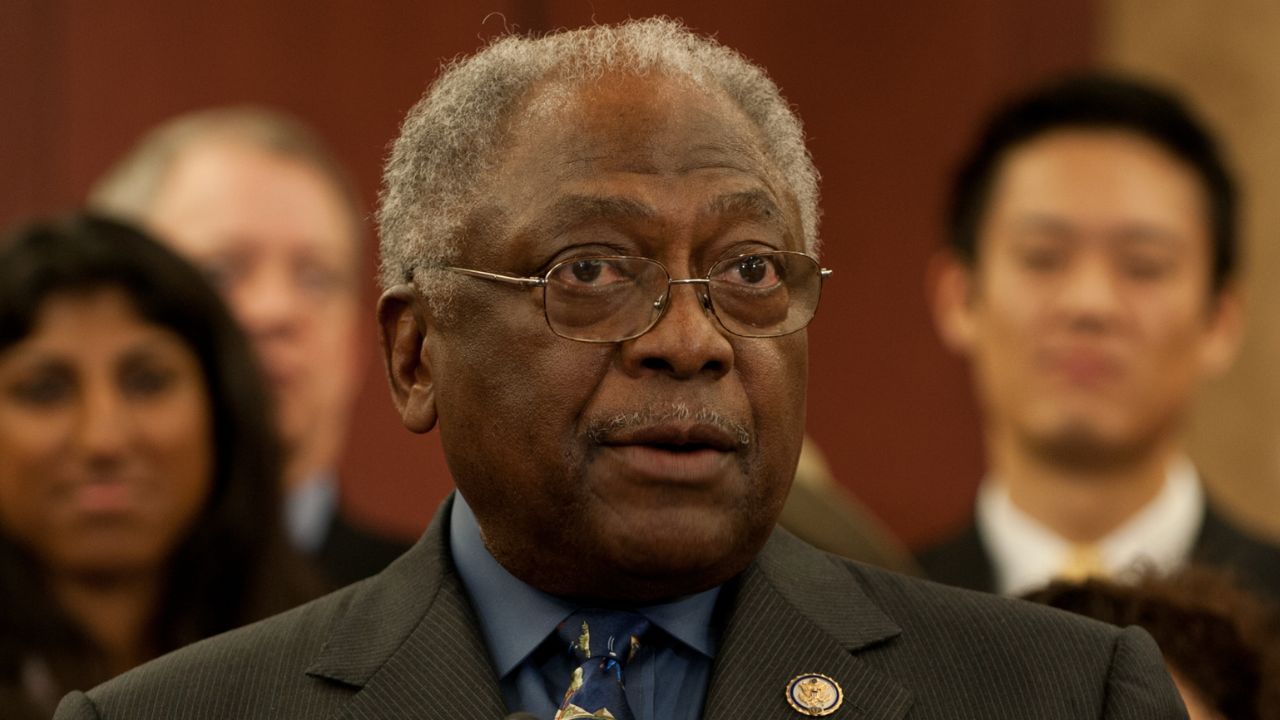
Rep. James Clyburn, D-S.C., accused the Pentagon of retaliating against reporting on senior military leaders’ documented concerns about the war with Iran by restricting access to the underlying classified system. Clyburn’s post on X linked to Washington Post reporting on the Pentagon’s response.
Clyburn: Pentagon “Essentially Say the Reporting Is Fake News”
“Stories were published showing Trump’s top military leaders had communicated in writing concerns about the viability of his war in Iran,” Clyburn wrote. “What does our esteemed Defense Department do? Remove the documents from their internal system and then essentially say the reporting is fake news.”
Four Combatant Commanders Registered Formal Objections
The underlying dispute traces to the Aug. 14 edition of the classified Secretary of Defense Orders Book, a biweekly document detailing the location and availability of U.S. military resources worldwide. According to the Post, four senior commanders — Gen. Alexus Grynkewich of European Command, Gen. Francis Donovan of Southern Command, Adm. Samuel Paparo of Pacific Command and Adm. Daryl Caudle, the chief of naval operations — formally “non-concurred” with orders to extend deployments supporting the Iran war, a process that lets top officers register disagreement in writing while still carrying out an order.
Army and Air Force Leaders Agreed but Warned of Risk
Gen. Kenneth Wilsbach, the Air Force chief of staff, and Gen. Christopher LaNeve, the Army’s acting chief of staff, concurred with extending some deployments but each emphasized the decision carried significant risk, according to people familiar with the document cited by the Post.
Commanders Warned Iran Operations Were Weakening Readiness Elsewhere
The commanders’ objections centered on concerns that continuing large-scale operations against Iran was straining the military’s ability to respond to threats elsewhere, including at home. The Washington Times, citing the same reporting, said Caudle specifically warned Hegseth that barely a quarter of the Navy’s destroyer fleet was ready to deploy and that current Middle East support levels were unsustainable without a firm end date.
Pentagon Pulled SDOB Documents From Internal Network After Publication
Documents tied to the orders book were removed from an internal Pentagon web portal on the classified SIPRNet system shortly after the Post’s story published, according to three people familiar with the matter who spoke to the Post on condition of anonymity. It remained unclear whether the documents stayed available to personnel through other channels, or how reduced access might affect military planning.
Pentagon Spokesman Did Not Dispute the Documents Were Removed
Chief Pentagon spokesman Sean Parnell declined to discuss the change specifically but did not dispute it occurred, saying in a statement that “the Department of War does not publicly discuss internal operational deliberative processes, including the management, handling, or access protocols” for the orders book. Parnell added that “the success of our servicemembers is Secretary Hegseth’s top priority” and that related decisions “are managed through appropriate security channels to ensure mission security and operational integrity.”
Parnell Separately Called the Reporting Inaccurate and Illegal
In a separate post on X responding to the original story, Parnell wrote that “publishing highly classified assessments from the Secretary’s orders book is a crime” and “a betrayal of the force,” while asserting “much of what they’re publishing is inaccurate” without specifying which details he disputed. He maintained that “non-concurs are standard” and said, “the Secretary sees them constantly. That’s how you run a real military. We are in great shape around the world.” Parnell characterized the story as driven by opponents who “hate President Trump and Secretary Hegseth more than they love America.” Post reporter Dan Lamothe responded directly on X: “Fact check: Independent journalism is not a crime.”
Former Defense Official Says Restricting Access Could Slow Urgent Planning
A former defense official who routinely reviewed the orders book, speaking to the Post on condition of anonymity, said moving the documents to a more restricted system would “dramatically reduce the number of people who have direct access to it,” which could complicate time-sensitive logistics such as rerouting aircraft and equipment between commands. The former official said the change did not make the documents impossible to access but made doing so “certainly more difficult.”
War Has Stretched Into Seventh Month Amid Munitions and Strain Concerns
Sen. Jack Reed, D-R.I., the top Democrat on the Senate Armed Services Committee, marked the war’s sixth month in an Aug. 28 statement stating that “not a single objective has been achieved” of those Trump originally promised, and that the war had left “the Pacific without an aircraft carrier for the first time in decades.” Reed’s statement put the toll at “18 servicemembers” killed and “more than 700” wounded, figures consistent with the Pentagon’s own casualty tracking system.
Administration Allies Argued the Leak Itself Was the Real Scandal
Some commentators aligned with the administration argued the disagreement among commanders reflected the military chain of command working as intended, and that the leak to the press — rather than the underlying policy debate — was the more serious offense. Others suggested the disclosure could aid Iran by revealing information about U.S. force posture and internal deliberations.
Clyburn Has Repeatedly Criticized War’s Conduct and Costs
Clyburn’s post continues a pattern of criticism he has directed at the war’s duration, economic impact and transparency since the conflict began in late February, including previous comments questioning the administration’s public statements about the war’s progress and costs.