
Throughout history, strategic bombers have played pivotal roles in shaping the dynamics of modern warfare. These aircraft have not only influenced military tactics but have also driven technological advancements in aviation. Here, I delve into ten strategic bombers that have significantly impacted warfare, offering insights into their development and legacy.
B-17 Flying Fortress

The B-17 Flying Fortress, developed by Boeing, was a key player during World War II. Known for its durability, the B-17 was capable of withstanding significant damage and still completing its missions. With a range of over 2,000 miles, it was instrumental in the Allied bombing campaigns over Europe.
One of the more famous missions involving the B-17 was the bombing of German industrial targets, which helped cripple the Nazi war machine. Its design incorporated multiple machine gun turrets, allowing it to defend itself against enemy fighters, a feature that was revolutionary at the time.
Avro Lancaster
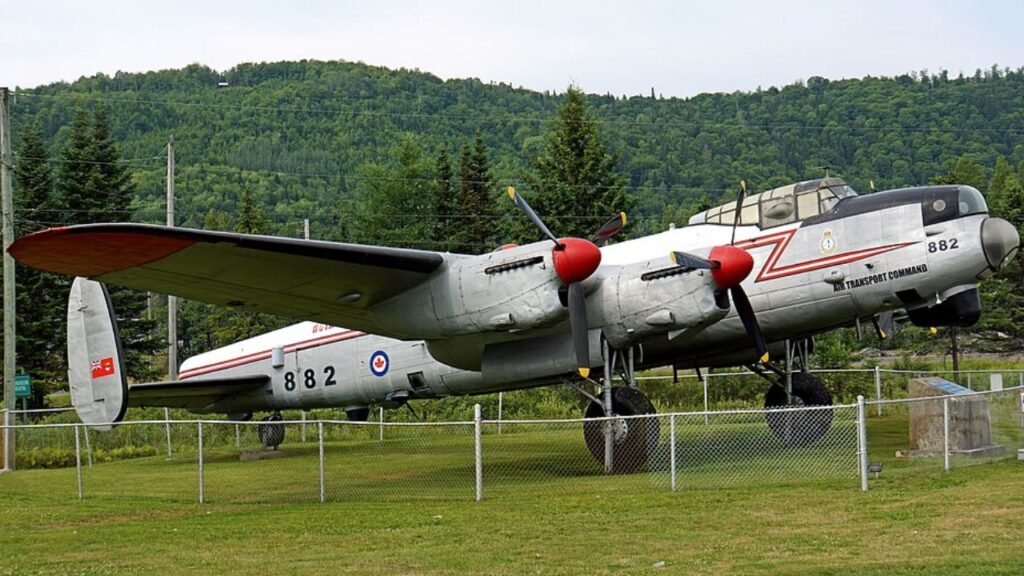
The Avro Lancaster was the most successful British heavy bomber of World War II, primarily used by the Royal Air Force. Its versatility allowed it to carry the largest payloads of any bomber in the conflict, including the infamous “Grand Slam” bombs.
Its role in the Dambusters Raid, where Lancasters were used to breach German dams, showcased its precision bombing capabilities. The Lancaster’s ability to fly at night and deliver pinpoint strikes made it a formidable tool in the Allied arsenal, contributing significantly to the war effort.
B-29 Superfortress

The B-29 Superfortress was a technological marvel of its time, introduced by the United States during World War II. It featured pressurized cabins and remote-controlled machine-gun turrets, making it one of the most advanced bombers of its era.
Most famously, the B-29 was responsible for dropping atomic bombs on Hiroshima and Nagasaki, effectively ending the war in the Pacific. Its long range and ability to carry significant bomb loads made it an essential component of the U.S. strategic bombing strategy in the latter part of the war.
Tupolev Tu-95 Bear
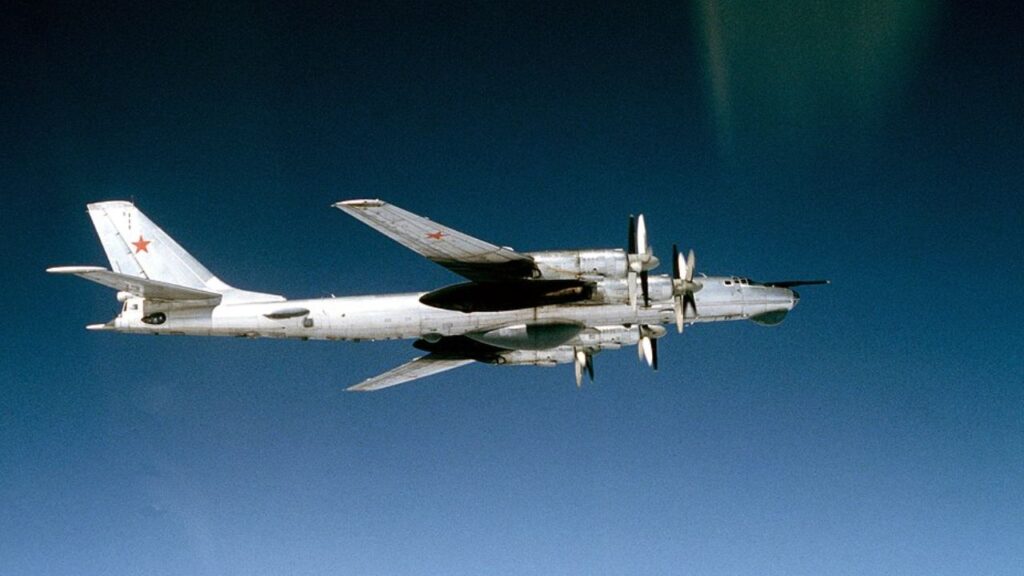
The Tupolev Tu-95, known by its NATO reporting name “Bear,” entered service with the Soviet Union during the Cold War. Its distinctively loud turboprop engines gave it a unique sonic signature, which became symbolic of Soviet air power.
Capable of carrying nuclear weapons, the Tu-95 was a central figure in the Soviet strategic bomber fleet. It remains in service today, demonstrating its enduring design and adaptability, having been updated with modern avionics and weaponry.
B-52 Stratofortress

The B-52 Stratofortress, developed by Boeing, has been a cornerstone of the U.S. Air Force’s strategic bombing capabilities since the 1950s. Its long-range and ability to carry a variety of weapons, including nuclear and conventional munitions, have made it a versatile tool in military operations.
With a service life extending over six decades, the B-52 has been involved in numerous conflicts, from Vietnam to the Gulf Wars. Its continued upgrades ensure it remains a vital component of U.S. air power, capable of delivering precision strikes across the globe.
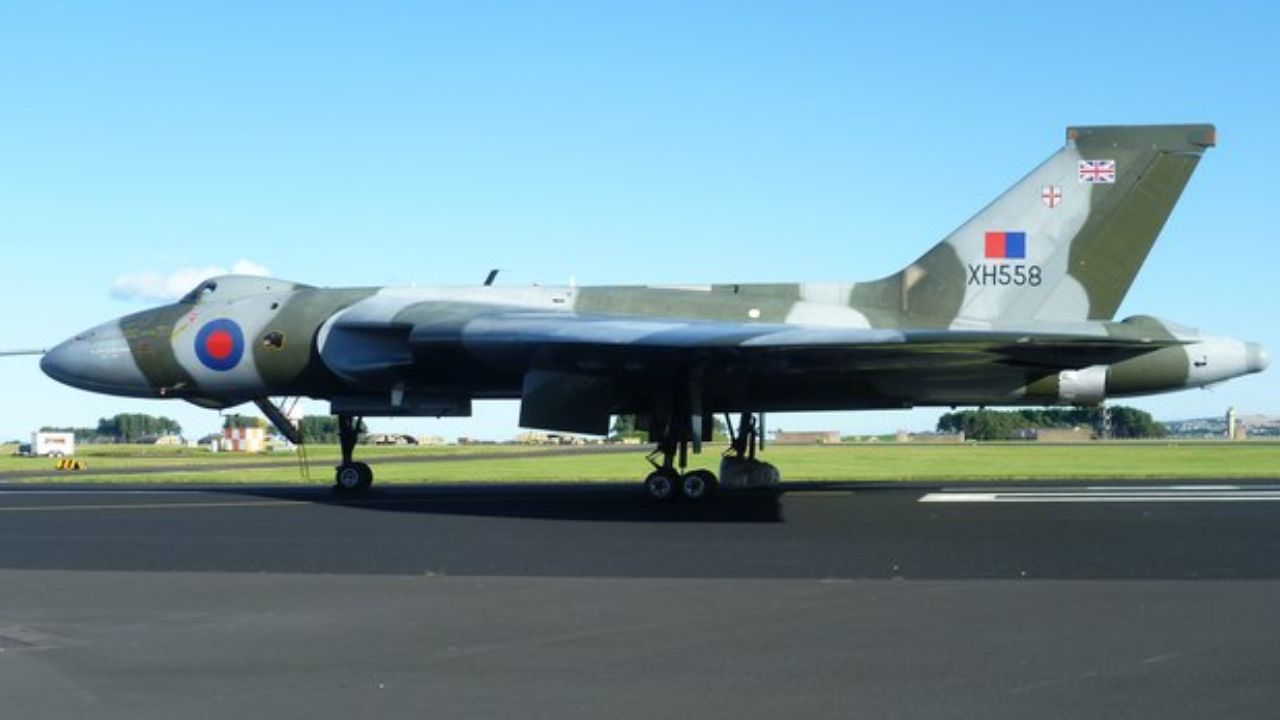
Avro Vulcan

The Avro Vulcan was a revolutionary British bomber, part of the RAF’s V-bomber force during the Cold War. Its delta wing design and advanced avionics made it an iconic symbol of British engineering prowess.
Most notably, the Vulcan played a crucial role in the Falklands War, where it executed long-range bombing missions over the South Atlantic. Its impressive performance demonstrated the effectiveness of strategic bombing in modern conflicts, even in remote locations.
Tupolev Tu-22M Backfire
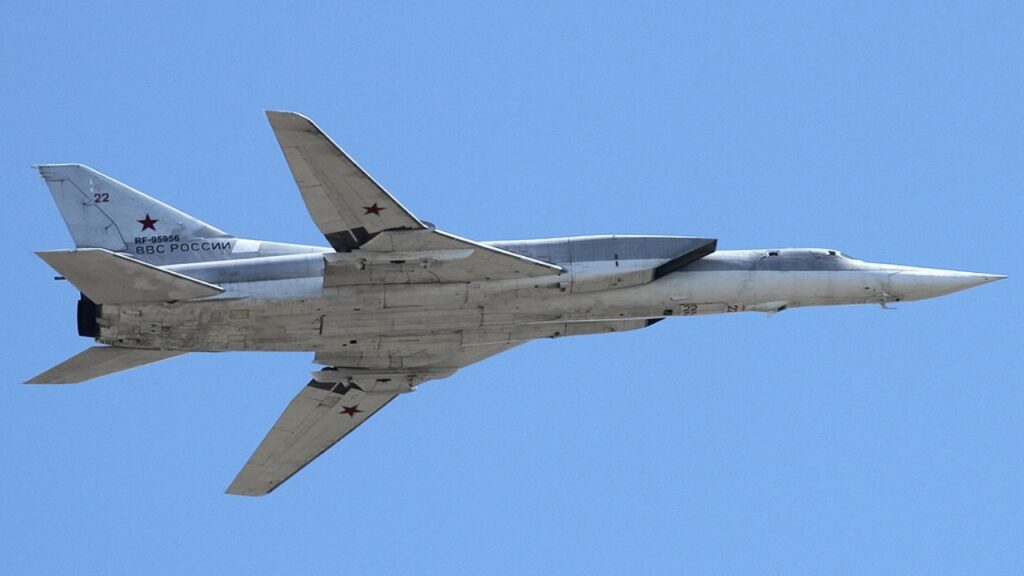
The Tupolev Tu-22M, known as “Backfire” by NATO, was introduced by the Soviet Union in the 1970s. Designed as a supersonic, long-range bomber, it was capable of carrying nuclear and conventional payloads.
The Tu-22M’s versatility allowed it to perform maritime strike missions, posing a significant threat to NATO naval forces. Its role in the Soviet military strategy underscored the importance of maintaining a credible bomber force during the Cold War era.
Rockwell B-1 Lancer

The Rockwell B-1 Lancer, often referred to as the “Bone,” is a supersonic variable-sweep wing bomber used by the United States. It was designed to penetrate sophisticated air defense systems and deliver both nuclear and conventional payloads.
First deployed during the tail end of the Cold War, the B-1 has since been used in various conflicts, including operations in Iraq and Afghanistan. Its speed and payload capacity continue to make it a critical component of U.S. strategic bombing capabilities.
Tupolev Tu-160 Blackjack
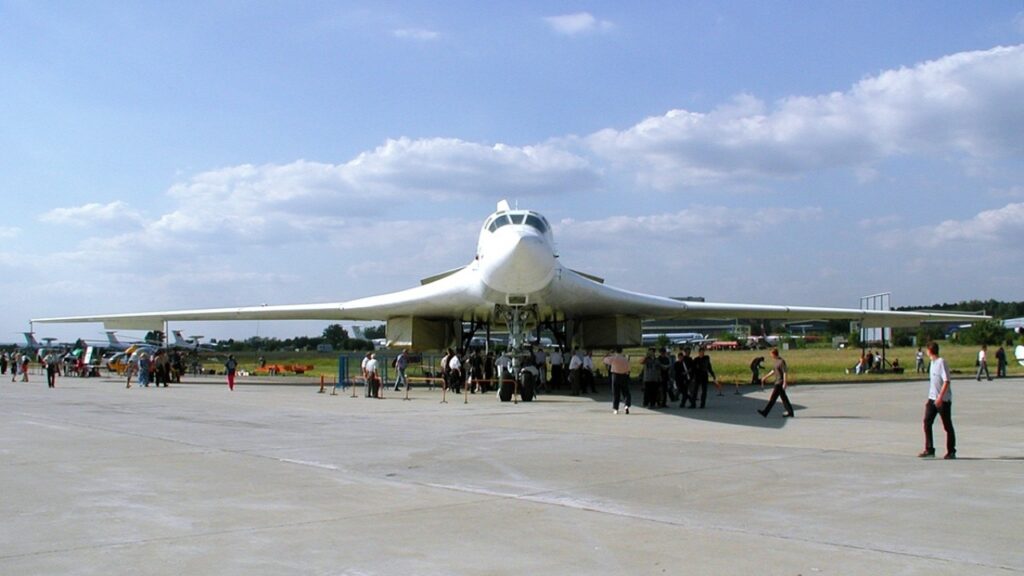
The Tupolev Tu-160, codenamed “Blackjack” by NATO, is the largest and heaviest supersonic bomber ever built. Known for its variable-sweep wings and impressive speed, the Tu-160 can deliver a wide range of munitions over intercontinental distances.
Still in service with the Russian Air Force, the Tu-160 has been modernized with advanced avionics and weaponry, reinforcing its place in Russia’s strategic arsenal. Its ongoing operation highlights the enduring relevance of strategic bombers in modern military doctrine.
Northrop Grumman B-2 Spirit
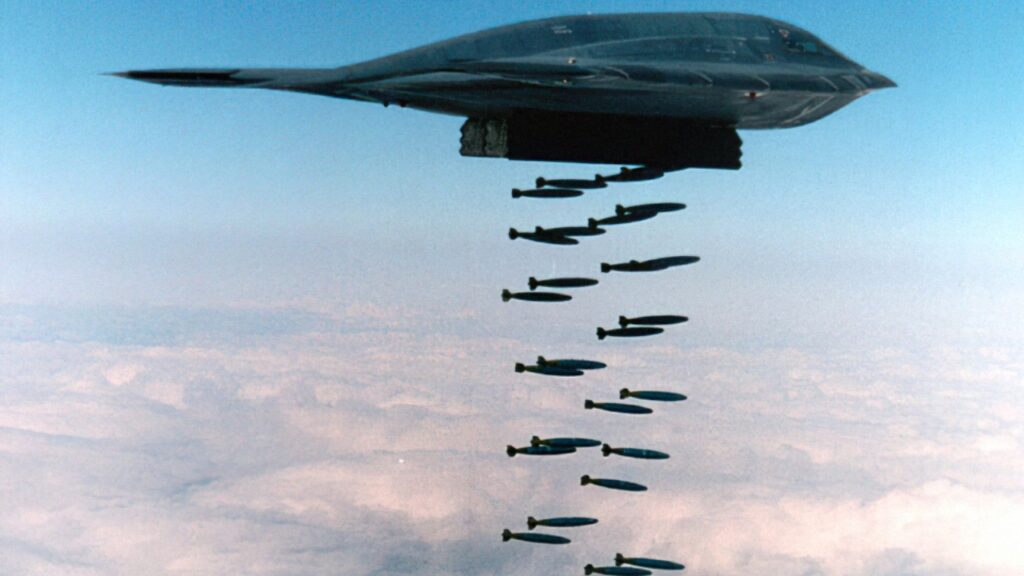
The Northrop Grumman B-2 Spirit, often called the “Stealth Bomber,” represents a leap forward in aviation technology with its stealth capabilities. Its unique flying wing design allows it to evade radar detection, making it a crucial asset in modern warfare.
Since its introduction in the late 1990s, the B-2 has been involved in numerous operations, including the Kosovo War and conflicts in the Middle East. Its ability to penetrate enemy defenses and deliver precision strikes underscores the continued importance of strategic bombers in achieving military objectives.