
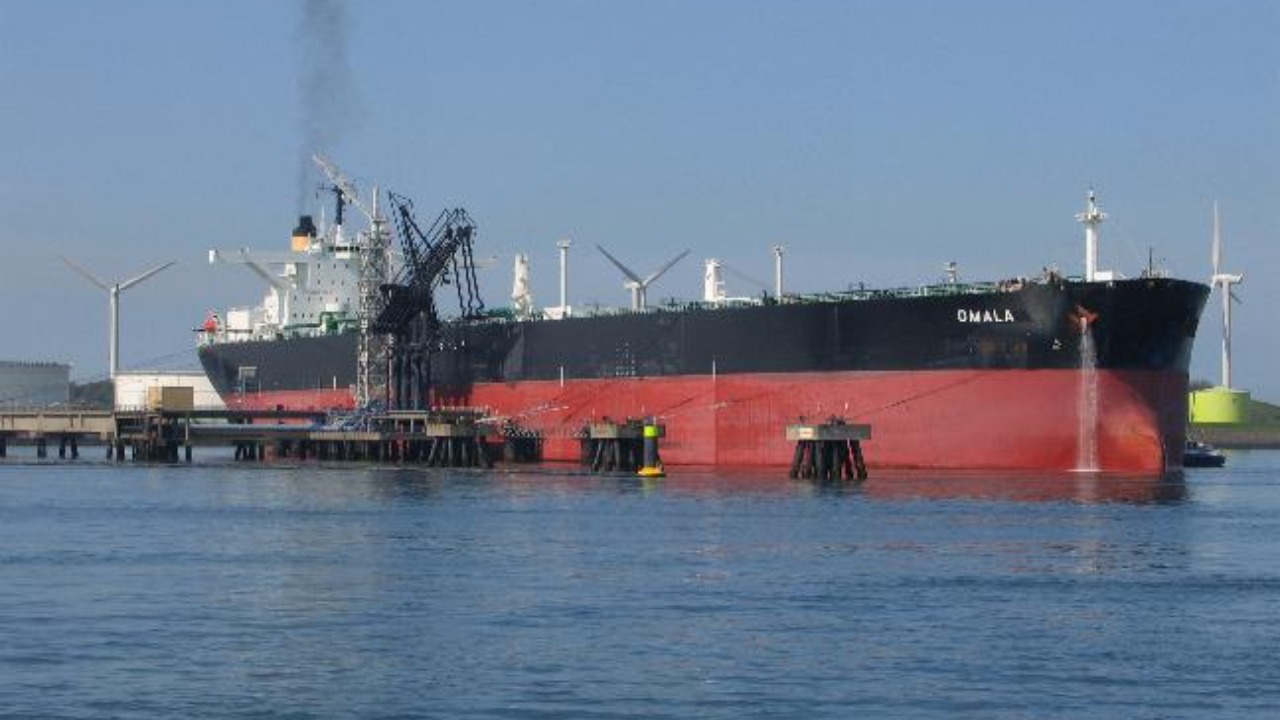
Ukraine has carried out a long-range drone strike on a Russia-linked oil tanker in the eastern Mediterranean, targeting what Western officials describe as part of Moscow’s “shadow fleet” used to move sanctioned crude. The attack, which Ukrainian officials say hit the tanker Qendil off the Libyan coast, marks a geographic expansion of Kyiv’s campaign against Russian energy infrastructure from domestic refineries to high-value assets at sea. It also raises fresh questions about escalation risks, maritime safety and the future of global oil flows routed around sanctions.
By striking a vessel tied to Russia’s sanctions-busting logistics, Kyiv is signaling that it intends to contest not only Moscow’s battlefield supply lines but also the financial lifelines that help sustain the war. The move has already prompted threats of retaliation from Russian President Vladimir Putin and sharpened debate over how far Ukraine can go in targeting economic assets without triggering wider regional fallout.
What Ukraine hit in the Mediterranean and why it matters
Ukrainian security officials say their forces used long-range aerial drones to hit a Russian-linked tanker in neutral waters of the Mediterranean Sea, near the Libyan coast, in mid Dec 2025. Multiple reports identify the vessel as the Qendil, sometimes rendered as Kandil, a ship described as part of a “shadow fleet” that helps move Russian oil outside the reach of Western sanctions. According to ship-tracking data cited in those accounts, the tanker was struck while transiting the eastern Mediterranean, having previously passed through the Suez Canal en route toward India, and was reportedly empty of cargo at the time of impact.
Ukrainian officials characterize the operation as a deliberate attempt to hit a logistics node rather than cause an environmental disaster. They say the tanker was targeted with drones in neutral waters more than 2,000 k from Ukraine’s territory, underscoring both the range of their systems and the symbolic reach of the strike. Reporting from the region notes that the vessel was part of a network of Russia-linked tankers that operate with opaque ownership structures and often sail with limited insurance and safety oversight, a pattern that has led Western governments to label them a “shadow fleet” used to keep Russian oil exports flowing despite price caps and other curbs.
A new phase in Kyiv’s campaign against Russian energy assets
Since early 2024, Ukraine has systematically attacked Russian oil refineries, fuel depots and port infrastructure, arguing that these facilities directly support Moscow’s war effort. The strike on Qendil in the Mediterranean represents a visible widening of that campaign from fixed targets on Russian territory to mobile assets at sea that underpin export revenues. Ukrainian officials frame the operation as a logical extension of their strategy: if refineries and terminals are fair game because they feed the Russian military machine, then the tankers that carry the resulting crude and products are also legitimate targets.
In that sense, the attack is less an isolated incident than a test of how far Kyiv can push its energy warfare doctrine beyond the Black Sea and into global shipping lanes. By hitting a tanker off Libya, Ukraine demonstrated that its drones can reach far beyond the immediate theater of fighting and strike at the maritime arteries that connect Russian oil to buyers in Asia and elsewhere. Analysts note that this is the first publicly acknowledged Ukrainian drone strike on a Russian “shadow fleet” tanker in the Mediterranean Sea, and that it signals Kyiv’s intent to impose economic pressure on Russia not only through land-based infrastructure but also through the vessels that help Moscow circumvent sanctions.
Inside Russia’s ‘shadow fleet’ and why Qendil was a target

The term “shadow fleet” refers to a loose constellation of tankers that carry Russian oil while operating outside traditional Western shipping and insurance systems. Many of these ships are older, sail under flags of convenience and change ownership frequently, making it difficult for regulators to track who ultimately controls them. The Qendil fits this pattern, described in reporting as a Russian-linked tanker that has been used to move crude in defiance of sanctions and price caps imposed after the full-scale invasion of Ukraine in 2022. By going after such a vessel, Ukraine is striking at a mechanism that helps Russia generate hard currency despite restrictions.
Targeting a shadow fleet tanker also carries a signaling function. Kyiv has long argued that as long as Russia can sell oil freely, it can fund missile production, drone imports and the broader military apparatus used against Ukrainian cities and infrastructure. Hitting Qendil in the Mediterranean sends a message that ships involved in this trade are no longer safe simply because they sail far from the front line. At the same time, Ukrainian officials have stressed that the tanker was empty and that there was no resulting environmental pollution, a point echoed in regional reporting that notes the absence of a major spill or long-term contamination after the strike.
Putin’s threats and the risk of wider escalation
The Kremlin has reacted sharply to the attack. Russian President Vladimir Putin, speaking at his annual year-end press conference in Dec 2025, condemned the strike and warned of consequences. According to accounts of his remarks, he said that “Attacks on Russi”n shipping and energy infrastructure would trigger a response, and other reporting quotes him threatening “unprecedented escalation” after Ukraine claimed responsibility for the long-range drone operation. Moscow has framed the incident as an assault on civilian maritime traffic, even as Ukraine insists the tanker was part of a sanctions-busting logistics chain that directly supports the war.
These dueling narratives highlight the legal and political gray zone around economic targets in wartime. Under international law, vessels that materially contribute to a belligerent’s military effort can be considered legitimate targets, but strikes in neutral waters near third countries risk drawing in other actors and destabilizing key trade routes. The fact that Qendil was hit off Libya’s coast in the Mediterranean, far from the Black Sea theater, raises concerns among European and Middle Eastern states about the precedent such attacks might set. If Russia follows through on its threats, it could respond with its own operations against Ukrainian-linked shipping or even against vessels from countries seen as supporting Kyiv, increasing the chance of miscalculation at sea.
Maritime safety, environmental stakes and global oil flows
One of the most immediate questions after any attack on an oil tanker is the risk of a spill. In this case, Ukrainian officials and independent reporting converge on the point that Qendil, also identified as Kandil in some accounts, was empty when it was struck, which sharply reduced the danger of a major leak. Sources from the region state that the drone impact caused damage to the vessel but did not result in environmental pollution, and that the ship did not break apart or sink. That outcome appears to have been intentional, with Ukrainian planners selecting a target and timing that minimized the chance of a catastrophic spill in the Mediterranean Sea.
Even without a spill, however, the strike has implications for maritime safety and global energy markets. The Mediterranean is a critical corridor for oil and gas shipments moving between the Middle East, North Africa and Europe, and any perception that it is becoming a battlefield can raise insurance costs and complicate routing decisions. The fact that Ukraine was able to hit a tanker more than 2,000 k from its territory using drones will not be lost on shipowners and charterers who rely on similar routes. At the same time, the operation underscores the vulnerability of Russia’s shadow fleet, which often sails with minimal insurance and limited oversight, making it both a tempting target for Kyiv and a potential source of risk for coastal states if future strikes do result in spills or disabled vessels drifting near shore.
What the strike signals about the next phase of the war
By taking the fight to a Russia-linked tanker in the Mediterranean, Ukraine is underscoring that it sees the war not only as a contest of armies and artillery, but also as a struggle over financial lifelines and global logistics. The Qendil operation builds on a pattern of attacks on Russian refineries and port infrastructure throughout 2024 and 2025, but it also breaks new ground by extending that pressure into distant sea lanes. In practical terms, the strike may force Russia and its partners to rethink how they route and insure shadow fleet vessels, potentially increasing costs and complicating efforts to keep oil exports flowing at current levels.
For Ukraine, the move carries both opportunity and risk. On one hand, demonstrating the ability to hit high-value economic targets far from its borders can strengthen Kyiv’s leverage and show domestic audiences that it is not confined to a defensive posture. On the other, each such operation tests the patience of partners worried about escalation and the stability of global markets. As Putin vows revenge and warns of “unprecedented escalation,” and as reports from Dec 2025 highlight the growing reach of Ukrainian drones, the Qendil strike stands as a marker of how the conflict is evolving into a broader contest over energy, shipping and the rules that govern warfare at sea.