
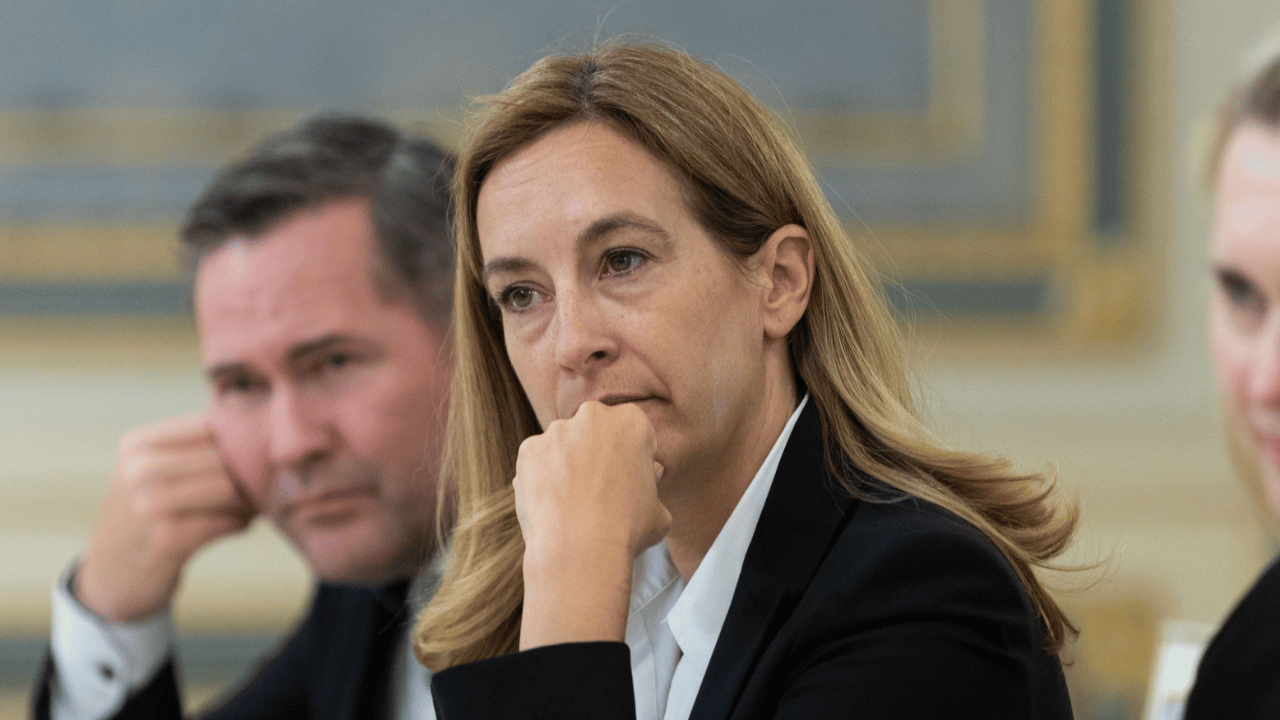
New Jersey Gov. Mikie Sherrill, a Democrat, told a dozen port and terminal operators on Monday that they “could be subject to millions of dollars in penalties long after Trump has left office” if they unload Russian diesel, and urged them to “turn away” any tanker seeking to use their facilities for that trade, in a letter published with a governor’s office release.
The letter follows General License No. 135, issued Oct. 9 by the Treasury Department’s Office of Foreign Assets Control. The license authorizes transactions related to the sale, delivery, offloading, or importation into the United States of diesel fuel of Russian Federation origin through April 7, 2027, subject to a bar on debiting accounts of Russia’s Central Bank, National Wealth Fund, or Ministry of Finance. OFAC announced the license in a recent-actions notice the same day.
“I urge you to turn away any tanker that seeks to use your facilities in furtherance of such unlawful activity,” Sherrill wrote. “Any effort to profit from the illegal trade in Russian fuel will be met with harsh penalties.” Recipients named in the New York Times reporting on the letters included IMTT, Kinder Morgan, and Phillips 66. On Election Day, Sen. John Cornyn, a Texas Republican, shared the Times headline “Governor Warns New Jersey Ports to Turn Away Russian Fuel” in a post on X.
Sherrill’s letter cites the Ending Importation of Russian Oil Act, Public Law 117-109, enacted April 8, 2022. Section 2 bans importation of Russian Federation products classified under chapter 27 of the Harmonized Tariff Schedule, “in a manner consistent with any implementation actions issued under Executive Order 14066.” Diesel oil falls under chapter 27. Section 3 allows the president to terminate that ban only after certifying, among other findings, that Russia has reached an agreement to withdraw forces and end hostilities that is accepted by Ukraine, and after consulting specified committees and waiting out a 90-day period subject to a joint resolution of disapproval.
In the letter, Sherrill wrote that the Russian Oil Act “does not grant the president or Treasury Department blanket authority to waive these sanctions through licenses,” and that “no such certification has been made—or could be made—thus far.” She also argued that General License 135, as a licensing action that “significantly alters United States’ foreign policy with regard to the Russian Federation,” requires a congressional review process under 22 U.S.C. § 9511 that “has not even been initiated.” She warned of liability under 19 U.S.C. § 1595a(b) equal to the value of goods introduced or attempted to be introduced, with a five-year statute of limitations under § 1621.
Treasury’s Office of Terrorism and Financial Intelligence defended the license in an Oct. 11 reply on X. “The granting of this general license is consistent with similar actions previously taken by OFAC and is in compliance with all applicable laws,” the office wrote in a Treasury post tagged to Treasury Secretary Scott Bessent.
Sherrill’s release quoted her as saying: “New Jersey will not stand by while Donald Trump supports Vladimir Putin at the expense of Americans.” The letter itself states that “in purchasing oil from Russia, a known supplier and financial supporter of Iran, Donald Trump is providing funding for a country that is engaged in hostilities with America, up to and including killing American soldiers,” and that New Jersey “will look to use every available legal and regulatory tool” to keep ports from advancing interests against those of the United States and New Jersey.
U.S. on-highway diesel averaged $6.292 a gallon for the week ending Nov. 2, according to the Energy Information Administration’s Gasoline and Diesel Fuel Update, down 6.0 cents from the prior week and up $2.539 from a year earlier. The Times reported that the national average of about $6.29 is up nearly 70 percent since U.S. and Israeli strikes on Iran began at the end of February; EIA’s table supplies the weekly dollar figure.
Russian Deputy Prime Minister Alexander Novak said in late October that three diesel tankers had already left Russian ports for global markets, including the United States, “with significant support” from the Russian Direct Investment Fund, according to TASS coverage of his remarks, which also said a fourth tanker was expected to sail Oct. 28. The New York Times, citing Kpler and TankerTrackers.com, reported that the Agioi Fanendes left Primorsk on Oct. 23, had been due around Nov. 7, and later changed its destination from New York to “for orders” while in the North Atlantic. Kinder Morgan spokeswoman Melissa Ruiz told The New York Times “As of now, we have not been notified of any shipment of Russian diesel to our terminal.”
Cornyn was among 12 senators — six Republicans and six Democrats — who on Oct. 13 urged Trump to withdraw from the diesel arrangement and rescind General License 135. “This deal is a gift to our adversary and a betrayal of our Allies; it should be rescinded,” they wrote in a letter released by Sen. Richard Blumenthal’s office and posted by his Senate office, naming Cornyn, Blumenthal, Thom Tillis, Jeanne Shaheen, Susan Collins, Mitch McConnell, and others as signers.
Sherrill’s warning that unloading Russian diesel would violate federal law, and her assertion that OFAC lacked blanket waiver power under Public Law 117-109, are the governor’s legal conclusions. Treasury’s Office of Terrorism and Financial Intelligence says the license complies with applicable law. Public Law 117-109’s text, General License 135, the nj.gov letter, EIA’s weekly diesel price, Novak’s TASS-reported remarks, and the bipartisan senators’ Oct. 13 letter are the primary records; the Times supplies operator quotes and ship-tracking detail that those records omit.