
The only original German tank left from the First World War is in Brisbane, Australia, not Berlin. That surprises most people who know their panzers. It also shows how many German designs, from that A7V to the Panzer VIII Maus, now survive only as single examples.
Plenty of German armor still survives, of course. Panthers and Tigers draw crowds every summer. Even so, some designs are down to one or two examples, and a few of those sit in places most visitors never reach.
These are Combat Rated’s picks for ten German tanks you have probably never seen in person. We have stuck to machines with a documented survivor count, so each entry says how many are left and where they are. Some are giant prototypes, while others are small, odd vehicles that slipped through the cracks of history.
1. Panzer VIII Maus
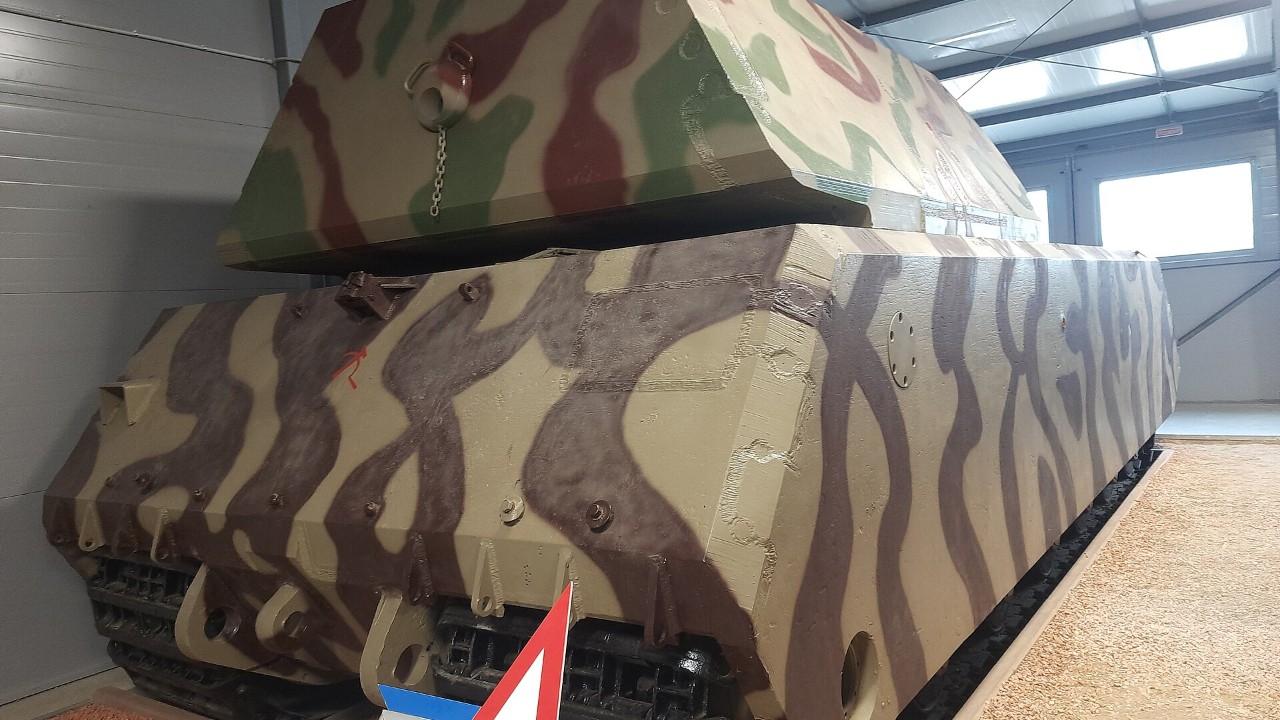
The Maus was the heaviest tank Germany ever built. It weighed 188 tonnes and carried about 200 mm of armor on the front, while its designers first planned a 15 cm gun, but they later switched to a 12.8 cm weapon. Only two prototypes were built and tested, in late 1944. For scale, the Maus weighed more than five times as much as the A7V below.
Neither one survived intact. According to Forces News, the Germans blew both up before Soviet troops reached the testing grounds in 1945. Soviet engineers then combined the turret from the second prototype with the hull from the first. After that, they shipped the hybrid to Moscow for evaluation.
That single hybrid is the only Maus in existence. It now stands at the tank museum in Kubinka, outside Moscow, with an empty hull. In 2014, Wargaming and the museum announced a plan to rebuild its interior from original diagrams and return it to running condition. Even so, we doubt many Western enthusiasts will ever stand next to it, and that makes it the rarest heavyweight on this list.
2. A7V “Mephisto”
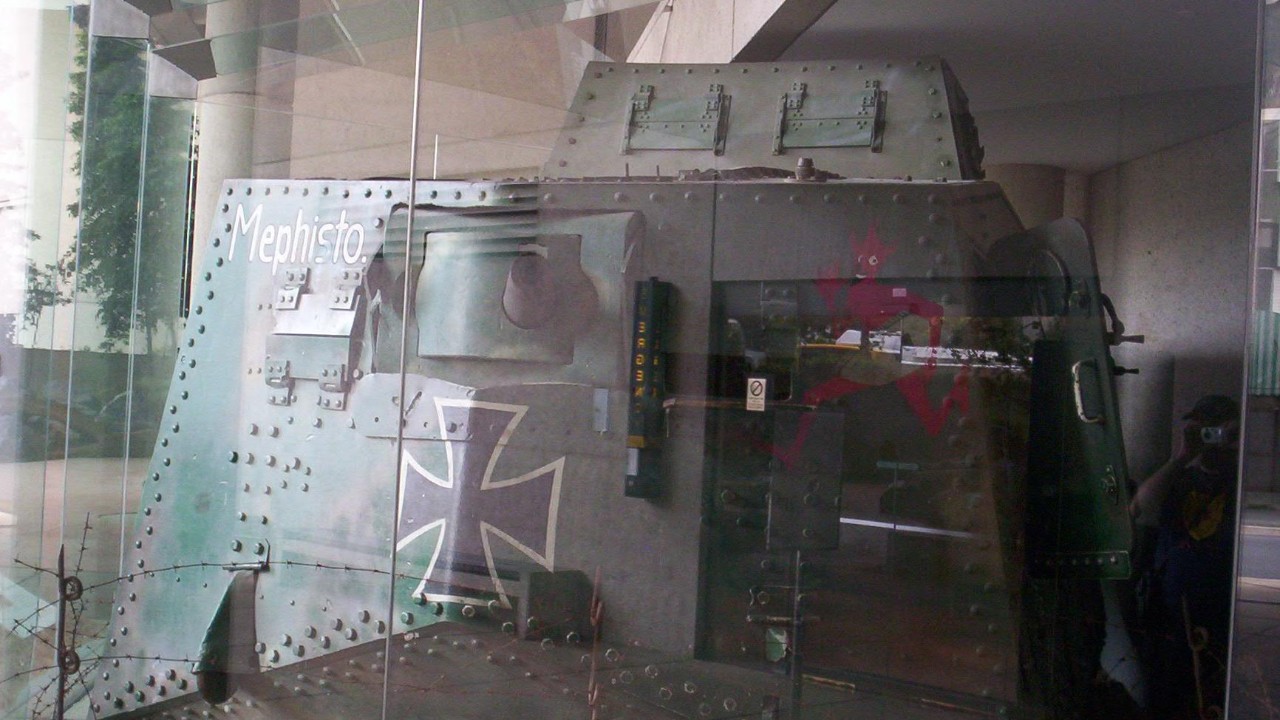
The A7V Sturmpanzerwagen was Germany’s first tank to see combat. It needed a crew of 18 and weighed 33.4 tonnes. Germany built only a modest number of them from late 1917, and just one survives today. Every other A7V you might see, including the one at Munster, is a replica.
That tank is “Mephisto,” and it has a remarkable story. In late April 1918, it got stuck in a shell crater near Villers-Bretonneux. Then, in July 1918, men of the 26th Battalion, Australian Imperial Force, mostly Queenslanders, dragged it back to Allied lines. It reached Brisbane’s Norman Wharf in June 1919 and was towed to the Queensland Museum that August.
Mephisto has rarely traveled since, and the museum calls it the sole surviving A7V in the world. According to the Queensland Museum, its only trip outside Queensland was a loan to the Australian War Memorial from July 2015 to June 2017. Today it sits in the Anzac Legacy Gallery at South Bank. For most of the world, we think, that is a long way to go for one tank.
3. Kugelpanzer
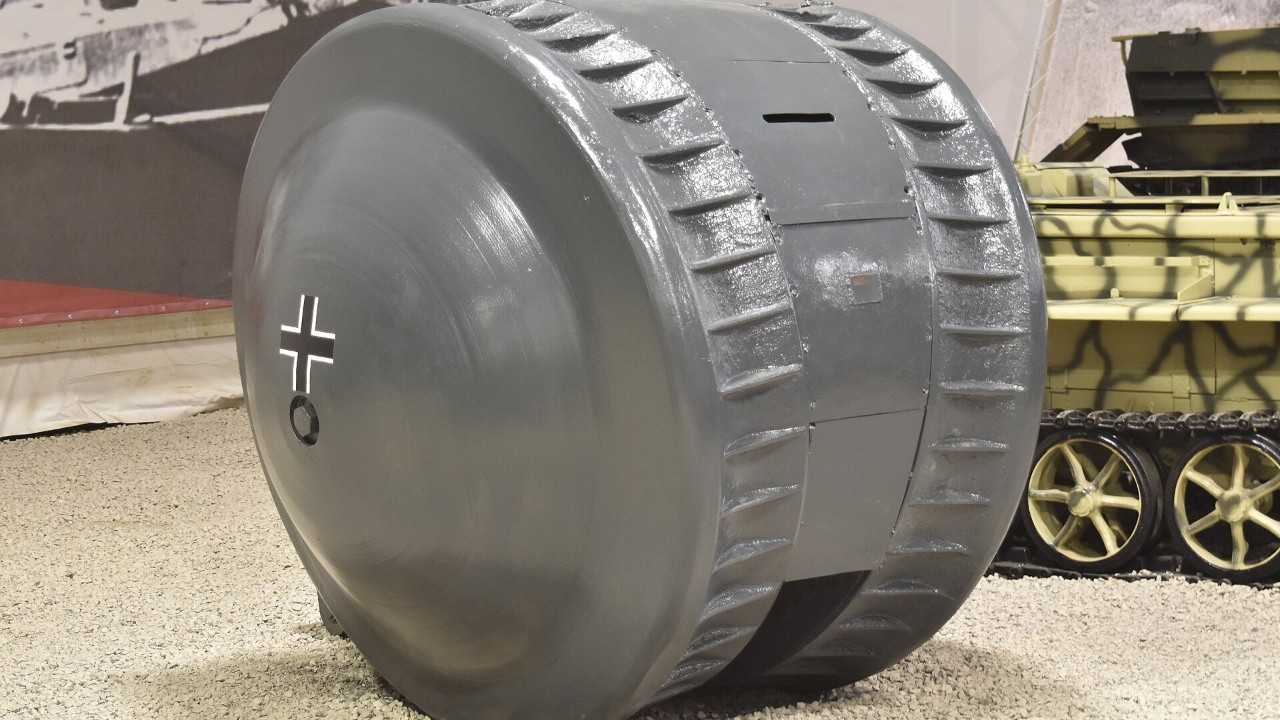
The Kugelpanzer, or “ball tank,” is one of the strangest armored vehicles of the war. It was a one-man machine just 1.7 meters long and 1.5 meters high. It weighed about 1.8 tonnes, its armor was only 5 mm thick, and a single-cylinder two-stroke engine drove it, and Krupp is presumed to have built it. Its listed top speed of about 50 km/h was quick for something so small.
Its story is still murky. Soviet troops probably captured it in 1945, likely in Manchuria, although one report says it was taken at the Kummersdorf proving grounds along with the Maus. Another account says at least one was sent to Japan for the Kwantung Army. Either way, there is no record of it ever seeing combat.
Only one example is known to survive. It sits in the Kubinka tank museum as exhibit no. 37, and its drive was removed after capture. Its original paint was restored in 2000. In our view, it is less a fighting vehicle than a puzzle, and you have to travel to Russia to see it.
4. Panther II
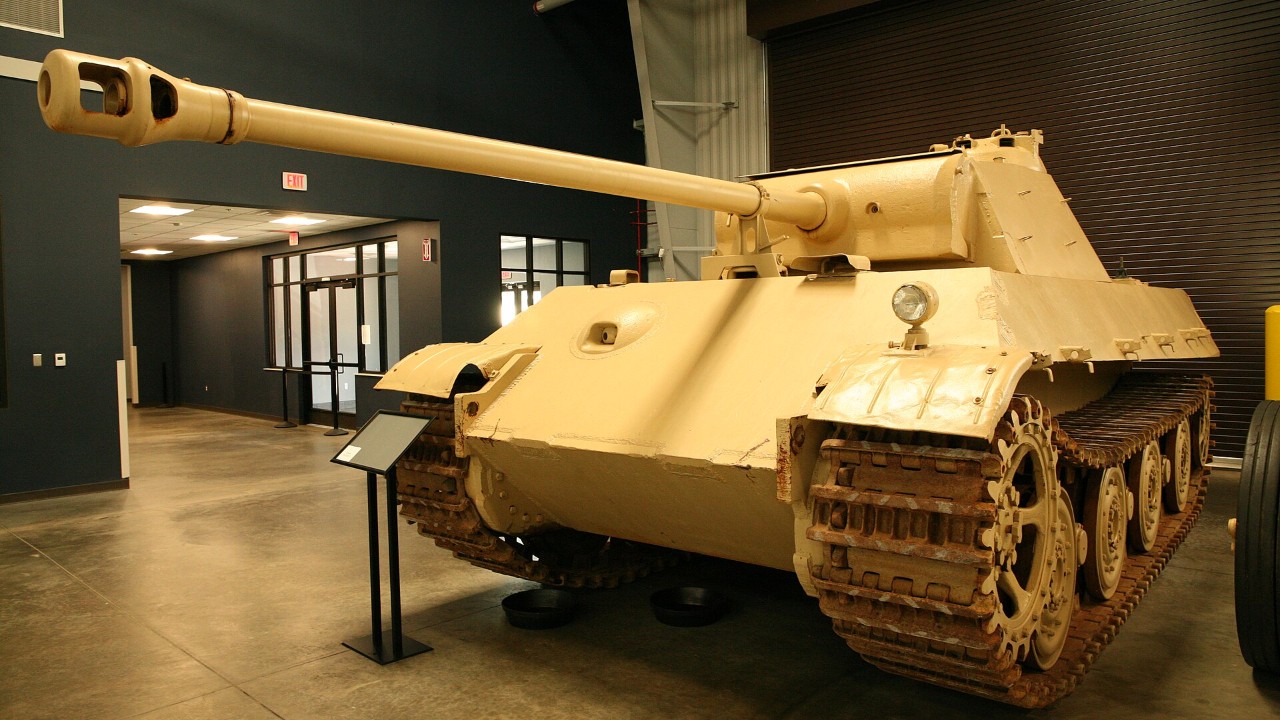
The Panther II was meant to be a heavier, better-armored follow-up to the Panther. Germany ordered two Panther II hulls during the war. However, only one prototype was built before the war ended. As a result, the type never reached a production line or a combat unit, which is exactly why so few people know it exists.
That lone hull survived the war and then crossed the Atlantic. After the fighting stopped, fourteen captured Panthers were shipped to the United States in 1945 for study. Today the Panther II sits at Fort Benning, Georgia, under the care of the US Army Armor and Cavalry Collection. It is the only Panther II hull in existence.
That fact comes from an IPMS/USA review of Craig Moore’s book on American Panthers. Moore covers five surviving Panthers in America, and this hull gets its own chapter. Because it belongs to an Army collection, it is not a typical museum stop for the general public. In our view, that makes it one of the hardest German tanks in America to see.
5. Tiger II with Porsche turret
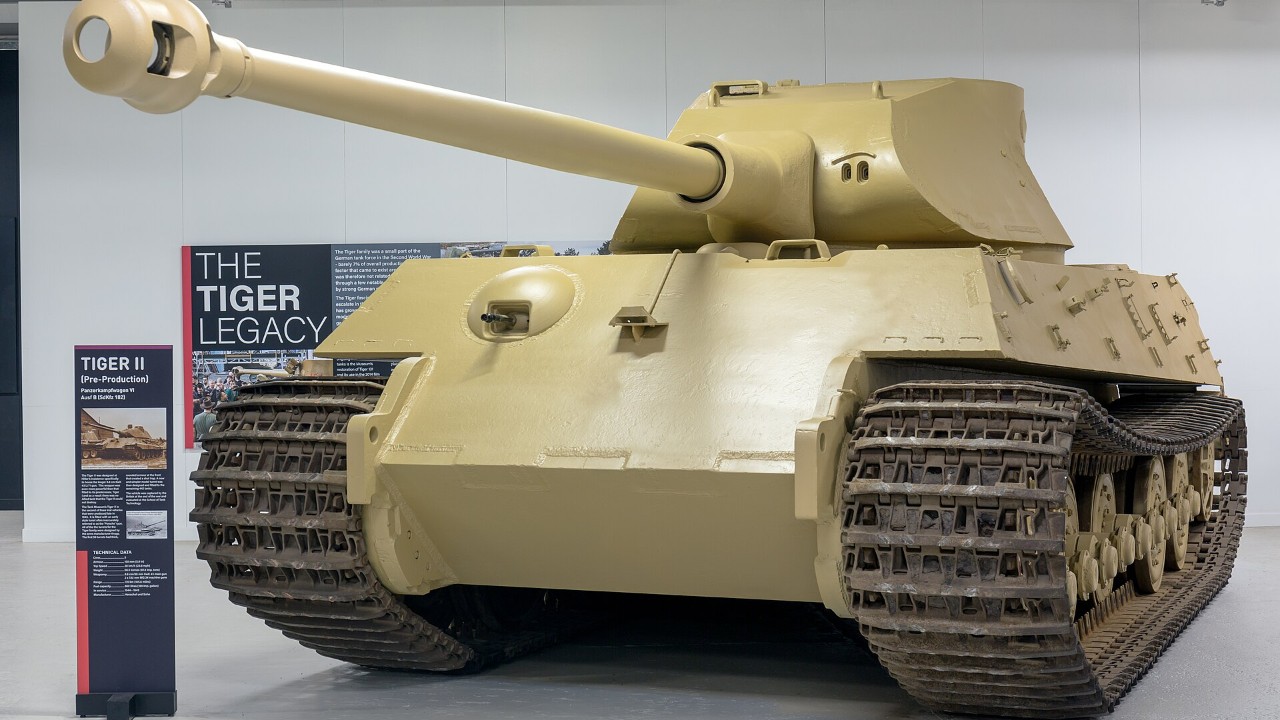
The Tiger II, or King Tiger, came with two turret designs. The early version used a rounded turret designed by Porsche. Later tanks switched to the production turret that most people picture today. As a result, the Porsche turret is a short chapter in the King Tiger’s story.
Several King Tigers survive in Europe, Russia and the United States. Museums in Kubinka, Munster, Saumur and Fort Knox each hold one with the production turret. In addition, one stands outdoors at La Gleize in Belgium, and another is on loan in Switzerland. The Saumur tank is the only Tiger II still in running order, while the Fort Knox example has been cut open to show its interior.
Only one surviving Tiger II wears the Porsche turret, however. It is at The Tank Museum in Bovington, and it was the second prototype, so it never saw active service. In our view, that rounded turret front is the detail to look for. Most enthusiasts have seen a King Tiger in photos or in person, but very few have seen this one.
6. Panzer I Ausf. F
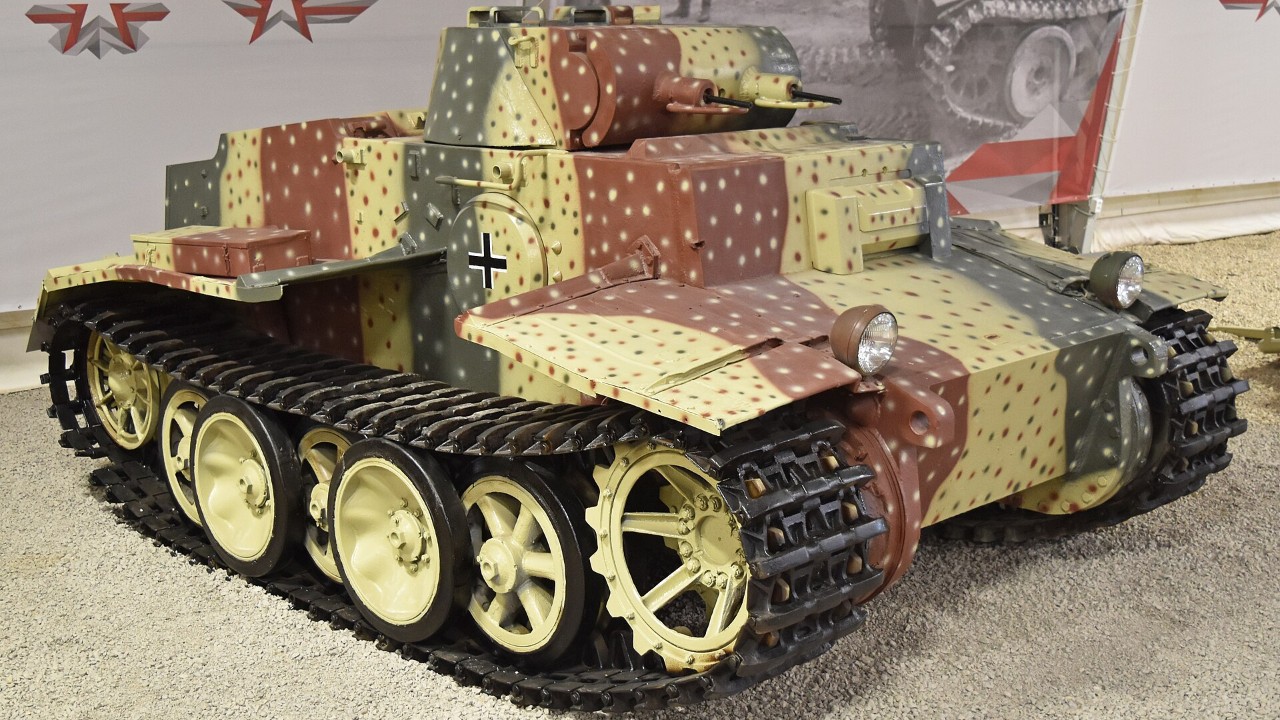
Most people think of the Panzer I as a small, thinly armored training tank. The Ausf. F was very different. It carried 80 mm of frontal armor and 50 mm on the sides and rear, and it weighed 21 tonnes. Yet its only weapons were two MG 34 machine guns, a strange mix of heavy armor and light firepower.
Krauss-Maffei built just 30 of them between April and December 1942. An order for 100 more was cancelled before production began. As a result, it is one of the rarest production panzers of the war. The type served from 1942 to 1944, partly against guerrillas on the Eastern Front and in Yugoslavia.
Two are said to survive. One is at the Kubinka tank museum in Russia, and the other is at the Military Museum in Belgrade, Serbia. We think it is worth the trip if you are in Belgrade, because few panzers look this odd. It is essentially a heavily armored box with no cannon at all, built for a job that lighter tanks could no longer survive.
7. Panzer II Ausf. L “Luchs”
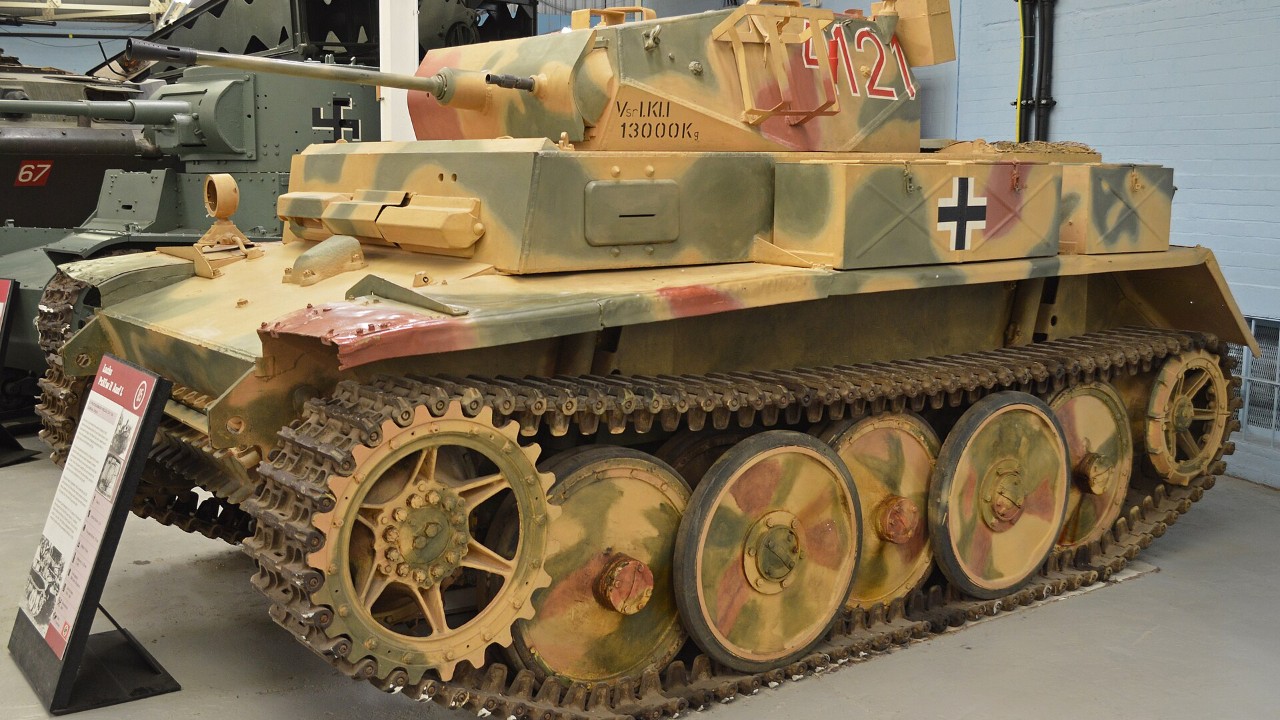
The Luchs, German for “lynx,” was a light reconnaissance tank. It weighed 11.8 tonnes and could reach about 60 km/h. Its armament was a 2 cm KwK 38 autocannon and a 7.92 mm MG 34 machine gun, which suited scouting more than fighting. It also had three smoke launchers on the turret sides.
MAN built 100 of them, from about September 1943 to early 1944. They went to armored reconnaissance units, and four earlier Ausf. M tanks were converted separately. Each tank carried around 320 rounds for its autocannon and 2,250 machine-gun rounds. On one load of fuel, it could cover about 260 km.
Only two survive, and one of them is at The Tank Museum in Bovington. In our view, it is one of the most overlooked tanks in that famous collection. Visitors walk past it on their way to the Tigers, yet there are fewer Luchs left than either Tiger model. That alone makes it worth a slower look, especially for anyone who thinks they have already seen everything Bovington has to offer.
8. Panther Ausf. D
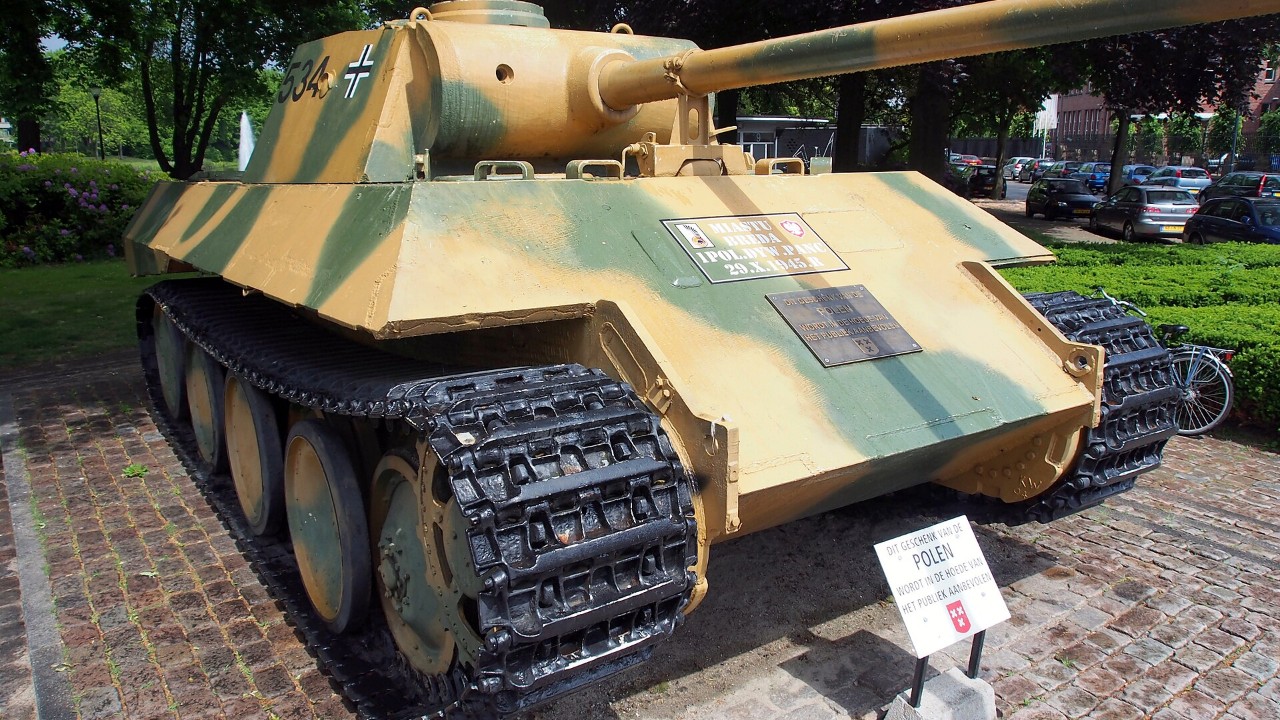
The Panther Ausf. D was the first production version of Germany’s famous medium tank. It debuted at Operation Citadel in 1943, where its first outing went badly, and the Ausf. A and Ausf. G followed. Because the later models were built in greater numbers, they dominate the survivor list.
A survey by the Panther specialist site Panther1944 counts about 26 surviving Panthers. Roughly 14 are Ausf. A tanks, and 11 are Ausf. G tanks, which leaves almost no room for the first model. Running examples are at Munster, Saumur and Kubinka, and the Munster tank now uses a modern MTU diesel. Other Panthers sit in Bovington, Ottawa, Aberdeen and Fort Knox, so most visitors have a fair chance of seeing one.
Only one Ausf. D on that list has a clear, documented identity. It is at Breda in the Netherlands, and its engine and gearbox are missing. A tank at Thun in Switzerland might be another Ausf. D, but experts cannot say for sure. In our view, that makes the Breda tank the rarest Panther you can still visit, even without its engine.
9. Kampfpanzer 70
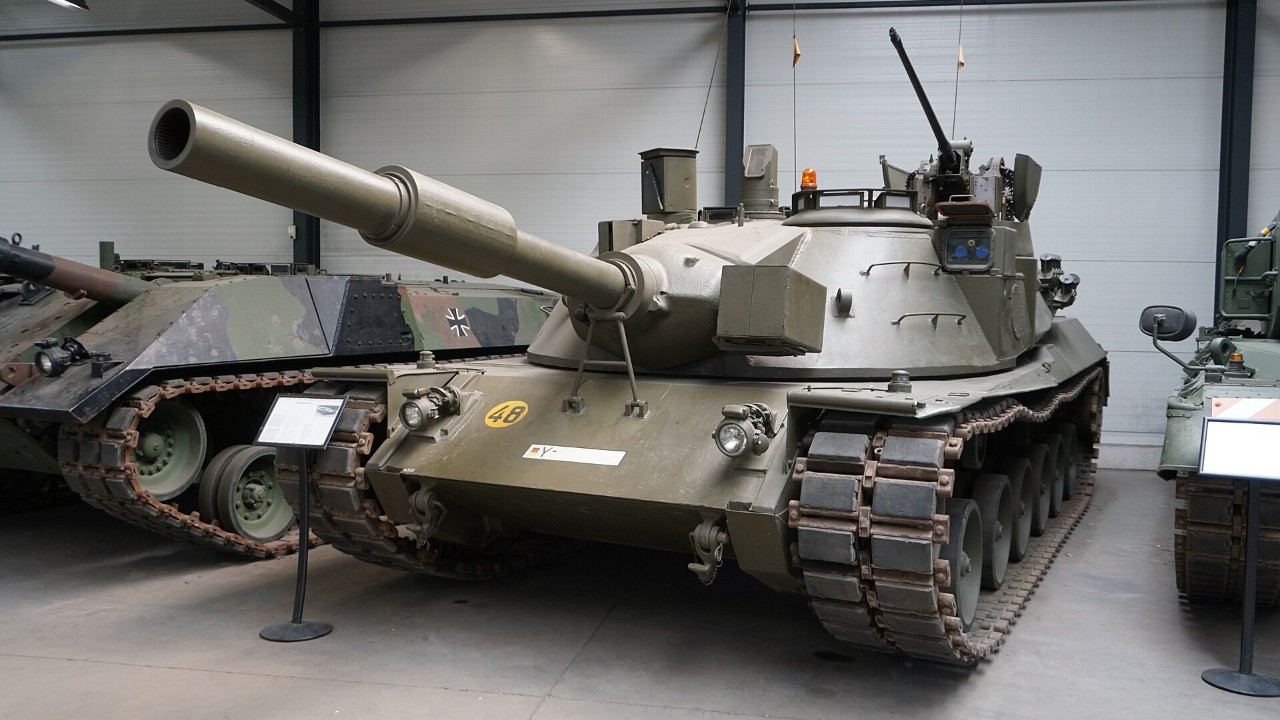
The Kampfpanzer 70 was West Germany’s half of the joint US-German MBT-70 program in the 1960s. It had a hydropneumatic suspension that could “kneel,” plus a large turret that held the whole three-man crew. The main weapon was a 152 mm gun-launcher that could fire both shells and the Shillelagh missile.
The program ran badly over budget. By 1969, Germany had pulled out to build the Leopard 2 on its own, and the US Congress then cancelled the American side in 1971. One specification table puts the number built at 14, so it was always a rare machine. None of them ever saw combat, so every survivor is a test vehicle rather than a veteran.
Only a few survive. One is displayed at the German Tank Museum in Munster, and another sits at the Military Museum of Southern New England. Munster also holds a Leopard 1 prototype and a Kanonenjagdpanzer prototype, so the trip covers a lot of rare Bundeswehr hardware. In our view, the KPz 70 is a must for Leopard 2 and Abrams fans, since it is the failed ancestor of both.
10. Tiger I
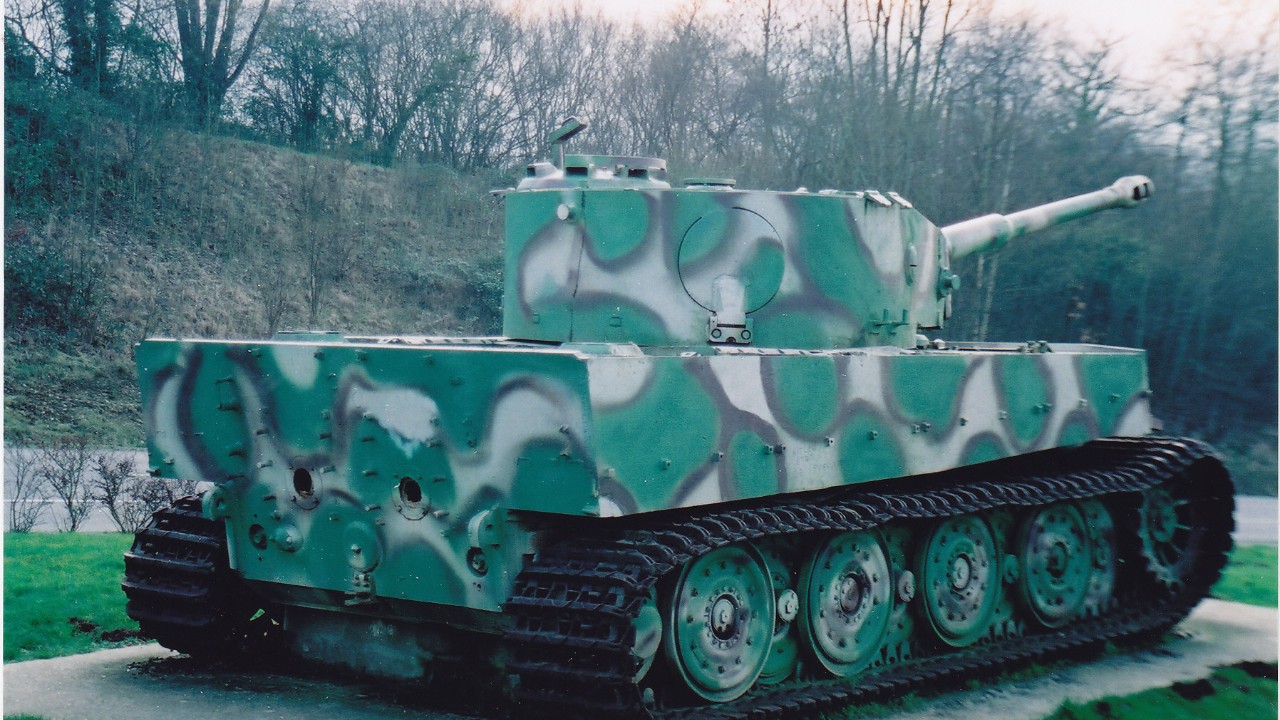
The Tiger I might seem out of place here, since it is the most famous German tank of the war. However, fame and survival are not the same thing. Germany built 1,347 Tigers between August 1942 and August 1944. Only nine survive today in museums and private collections.
Most of those nine are static displays. One survivor, for example, stands at the entrance to Vimoutiers in Normandy, wearing paint applied by a local volunteer. Only one Tiger I can still move under its own power, so seeing it run is a rare event. That tank is Tiger 131, which belonged to Schwere Panzer-Abteilung 504.
British Churchill tank fire jammed its turret in Tunisia in April 1943, and its crew abandoned it largely intact. The tank reached England that October, and the Tank Museum received it in 1951. After a restoration that began in 1990, it returned to Bovington with a working engine in December 2003. Along the way, it starred in the 2014 film Fury, and today Tiger 131 is the only running Tiger I in the world.