
Some of the most operationally relevant military platforms in service today were designed for an earlier era, yet they remain in frontline units or in high-value support roles well past their original design life. This persistence is less about nostalgia and more about readiness: proven airframes, hulls, and launchers can continue to deliver combat power when sustainment is disciplined and the systems that drive effectiveness—sensors, communications, software, and weapons integration—are kept current.
The result is a force structure where “old” can describe the structure more than the mission capability. Across U.S. and allied inventories, long-running fleets continue to carry day-to-day operational demand while replacement programs contend with cost, technical risk, and procurement timelines. Extending what already works is often a way to avoid gaps in capacity that rivals could exploit.
What’s happening: service lives are being extended by design
Defense organizations are keeping major platforms in service longer than originally expected through service-life extension work, remanufacture, and incremental modernization. The trend spans domains: strategic aircraft, airlift fleets, armored vehicles, and air and missile defense systems are being updated rather than swapped out on a one-for-one schedule. The underlying logic is straightforward—new programs are expensive and slow to field at scale, while operational demand remains constant.
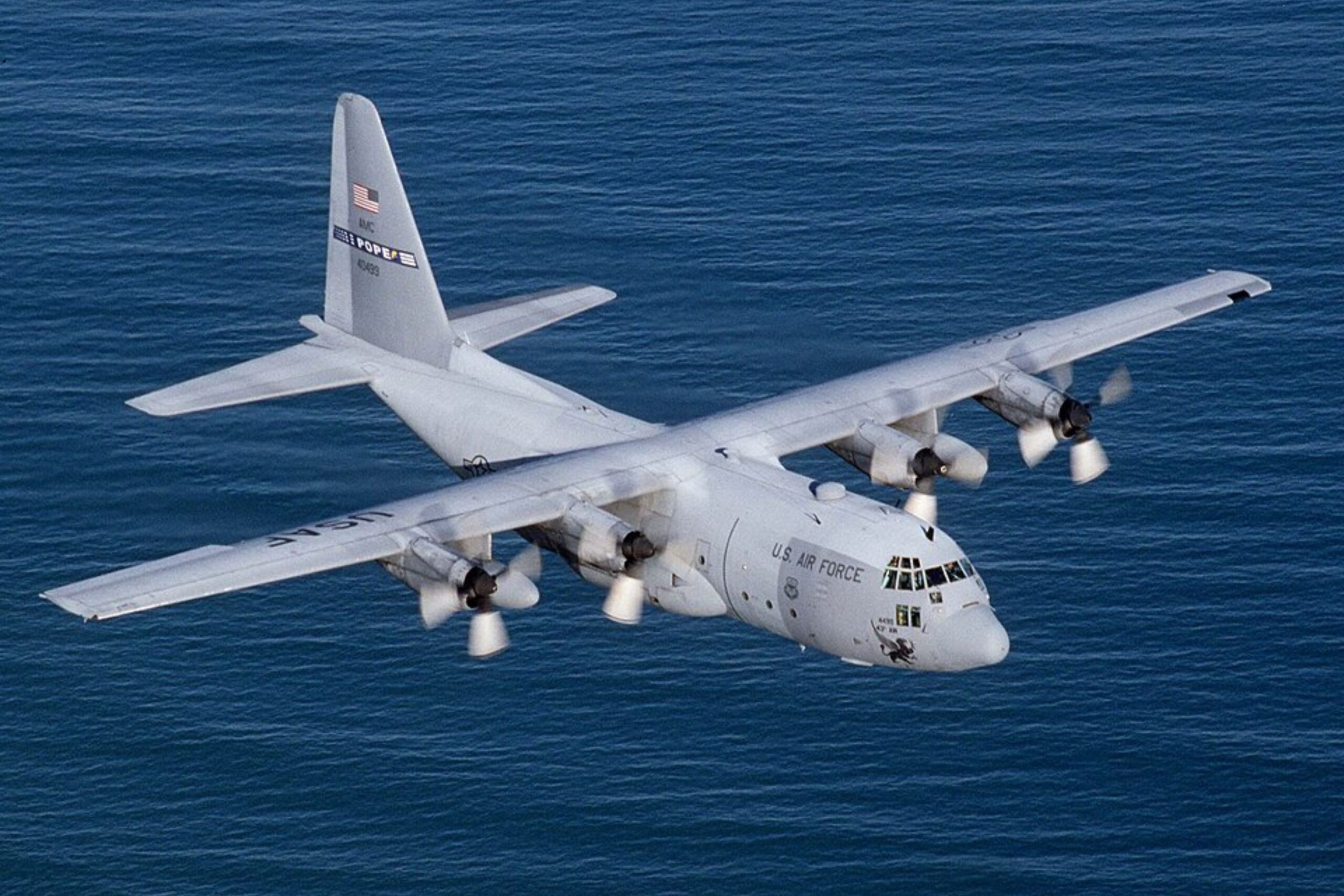
Well-known examples frequently used to illustrate the pattern include the U.S. Air Force’s B-52 bomber and C-130 transport, both sustained through successive upgrade cycles. On the ground side, the U.S. Army’s M2 Bradley and M1 Abrams fleets, along with the Patriot air defense system, are often cited as cases where modernization helps keep legacy platforms aligned with current doctrine and more networked ways of fighting.
Why legacy platforms keep getting funded
Longevity is usually the product of strong original design margins combined with repeated subsystem upgrades. In many missions, the decisive edge is not the platform’s age on paper, but whether it can detect and track threats with modern sensors, communicate reliably, and employ contemporary weapons in coordination with other forces. That is why older systems can remain useful in stand-off strike support, ISR enabling roles, airlift, and layered air defense—missions where payload, persistence, and availability can matter as much as low observability.
Modernization also offers a practical advantage: it can be phased. Upgrades can be scoped, tested, and fielded in increments, while full replacement tends to arrive only after a long development arc. When next-generation programs slip or costs rise, legacy extensions become the bridge that prevents a capability cliff and preserves near-term capacity.
Who keeps them viable: operators, depots, and industry
Keeping older platforms effective depends on close coordination between operational units, organic depots, and contractors that specialize in sustainment and upgrades. In U.S.-led examples often discussed, companies such as Boeing, Lockheed Martin, Raytheon, Northrop Grumman, and General Dynamics are commonly associated with modernization and sustainment work across long-running fleets. That effort can include avionics refreshes, radar and sensor updates, structural repairs, remanufacture, and the integration of new software and weapons interfaces.
Equally important is the depot and supplier ecosystem that keeps parts available. Obsolescence management—finding replacements for discontinued components, requalifying materials, and rebuilding assemblies—can become a steady, long-term requirement. That industrial footprint has strategic value: it supports readiness now, even as new production capacity can be difficult to expand quickly once it has shrunk.
How “old” stays relevant: structure, mission systems, and effects
Long-lived platforms typically evolve in layers. The first layer is structural: inspections, repairs, and life-extension work that keep the airframe or hull safe to operate. The second layer is the mission system: upgraded sensors, computers, communications, and electronic warfare-related improvements that help the platform function in a more connected battlespace.
The third layer is weapons and effects integration. A platform may look largely unchanged, but its operational utility can shift significantly if it can employ newer munitions, receive targeting inputs from other sensors, or contribute to joint kill chains. This is often where older systems find renewed value—particularly in roles that emphasize payload and reliability rather than operating deep inside the most contested areas.
Readiness and sustainment realities
Service-life extension is frequently a readiness decision. When fleets are already fielded, crews are trained, and maintenance processes are mature, forces can avoid the disruption of a full transition while sustaining predictable availability. That stability matters for commanders who need consistent sortie generation, steady airlift throughput, or persistent air and missile defense coverage.
There are also practical constraints. Parts availability can become a pacing factor as components age out of production, and sustainment can shift from routine maintenance toward repeated refurbishment and replacement of key subsystems. Managing spares, repair capacity, and software baselines becomes as consequential as any single upgrade package.
The strategic effect: capability now while replacements mature
Modernized legacy fleets can help sustain credible near-term capability while next-generation programs progress. Deterrence is not only about future technology; it is also about demonstrating that forces can deploy, operate, and sustain tempo today. In support roles such as airlift, ISR enablement, and air and missile defense, that day-to-day credibility is often the centerpiece.
This approach can also give decision-makers flexibility. By keeping proven systems viable, services may avoid rushing requirements or accepting outsized risk in replacements that are not ready to field. Life extension, used carefully, buys time to refine priorities and integrate operational lessons before committing to a successor at scale.
The limits: survivability, maintenance burden, and finite margins
Extended service does not make older platforms universally equivalent to modern designs. Survivability against peer threats can be a binding constraint, especially in highly contested environments where stealth, advanced electronic warfare, and modern self-protection can be decisive. Even with improved mission systems, baseline signatures, kinematics, and physical growth margins are not easily changed.
Maintenance demands also tend to increase with age. Obsolescence can force custom solutions, and cyber and interoperability requirements can drive repeated software and hardware updates. Without a credible replacement path, life extension can become an open-ended cycle of reinvention rather than a bridge to the next fleet.
The ongoing debate: extend or replace
The policy tension is persistent: funds used to extend legacy fleets are funds not used to accelerate next-generation programs. Critics argue that repeated upgrades can delay hard choices and allow requirements to drift. Supporters counter that modernization is often the only practical way to preserve readiness and capacity while new systems work through development timelines and budget pressure.
In practice, many forces pursue both approaches—upgrading what they have to hold the line while investing selectively in replacements where the operational or sustainment limits are most acute. The central challenge is sequencing: deciding which upgrades are essential and which become expensive additions that are difficult to justify if a replacement is truly on the horizon.
What changes next: more integration, more software, tougher trade-offs
The near-term trajectory points toward continued incremental modernization focused on connectivity, software-driven capability, and sustainment resilience. Expect emphasis on mission-system refreshes, improved network integration, and updates that let platforms contribute to joint operations even if they are not the ones operating in the most heavily defended airspace. For ground forces, the same logic supports better sensors and communications and tighter integration with air and missile defense and long-range fires.
Harder decisions will follow as fleets approach the limits of economical sustainment and as next-generation programs compete for finite procurement dollars. Used deliberately, modernization reduces operational risk and preserves capacity. Used without clear endpoints, it can crowd out replacements until there is little margin left. Either way, the trend is clear: design life is increasingly treated as a planning assumption—one that modern militaries extend when readiness and deterrence require it.