
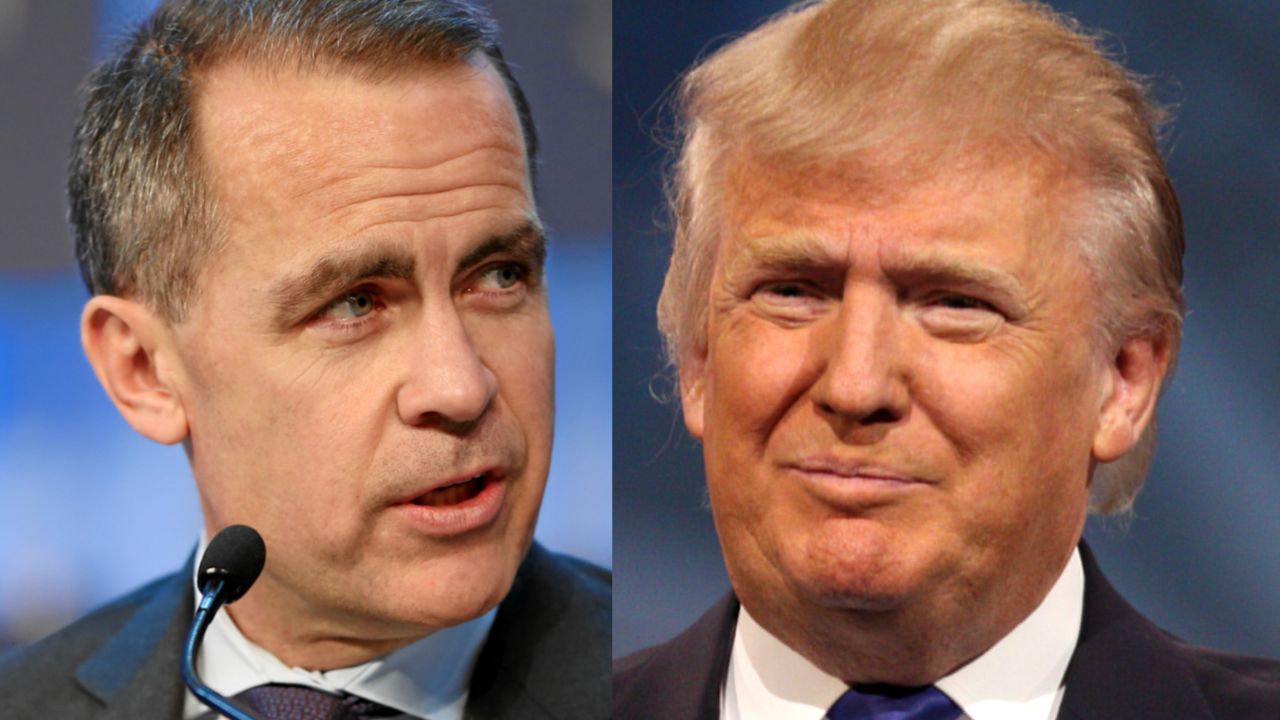
Prime Minister Mark Carney said he spoke this morning with Presidents Trump and Zelenskyy, that both conversations focused on the rapidly evolving situation around energy and the war in Ukraine, and that the new energy ceasefire being brokered by President Trump between Russia and Ukraine has the potential to significantly de-escalate the war and protect thousands of civilians from harm and hardship. He called on Russia to uphold the agreement. He posted the statement on Sunday. Official readouts of the two calls differ in emphasis.
“This morning I spoke with Presidents Trump and Zelenskyy. In both conversations, we focused on the rapidly evolving situation around energy and the war in Ukraine,” Carney wrote Sunday. “The new energy ceasefire being brokered by President Trump between Russia and Ukraine has the potential to significantly de-escalate the war and protect thousands of civilians from harm and hardship. Canada calls on Russia to uphold this agreement as we keep working with our Allies to secure a just and lasting peace for Ukraine and Europe.” The post does not define the ceasefire’s terms or name facilities.
The readout of the Trump call is supportive. A readout posted on the Prime Minister’s site Sunday said Carney thanked Trump for his leadership toward securing an energy ceasefire between Ukraine and Russia, expressed Canada’s strong support for the agreement, and reiterated Zelenskyy’s call for Russia to uphold it. It said it is imperative that all attacks on energy infrastructure and civilians cease immediately. It said Canada will continue to support Ukraine’s defences and citizens and will continue to maximise exports of oil and diesel to the United States that yield well over a million barrels of diesel per day. The readout does not mention the diesel license or revenue for Russia.
The readout of the Zelenskyy call is critical of the diesel arrangement. A separate readout said Carney offered condolences for the victims of Russia’s latest atrocities and that both leaders underscored the urgent need for Russia to immediately cease its strikes on Ukraine’s energy infrastructure. It said the leaders discussed the new agreement between the United States and Russia to supply millions of tonnes of diesel to the United States. Carney “was clear: this agreement is in direct opposition to the efforts of Ukraine, Canada, and our allies to create peace and stability in Europe. It will provide additional revenue for Russia and help finance its illegal, unjustifiable war against Ukraine.” The readout does not use the phrase “energy ceasefire.”
The U.S. license is the diesel document. The Office of Foreign Assets Control issued General License No. 135 on Oct. 9. The license text authorizes transactions related to the sale, delivery, offloading, or importation, including into the United States, of diesel fuel of Russian origin, through April 7, 2027. It does not mention a ceasefire, Ukraine, or a volume of millions of tonnes. Trump’s Truth Social post on Oct. 11 announced an energy ceasefire. No White House release defines its terms. Carney’s X post and the Trump-call readout treat the ceasefire as real and potentially de-escalatory. The Zelenskyy-call readout treats the diesel agreement as financing the war.
Canada’s sanctions record is on the Zelenskyy readout. The document says Canada has imposed over 3,500 sanctions in response to Russia’s violations of Ukraine’s sovereignty. It says Carney assured Zelenskyy that Canada will maintain and, where effective, tighten sanctions. It says Canada has committed over $8.5 billion in military support and over $750 million for recovery and reconstruction since the full-scale invasion. Those figures are the government’s. The X post and the Trump-call readout do not repeat them.
The three Canadian statements sit side by side on official channels. The X post and the Trump-call readout describe a potentially de-escalatory ceasefire and call on Russia to uphold it. The Zelenskyy-call readout says the diesel agreement is in direct opposition to peace efforts and will help finance the war. None of the three cites a signed ceasefire text, a White House release defining terms, or a volume that matches the OFAC license. The license authorizes transactions in Russian-origin diesel through April 7, 2027. It does not mention a ceasefire or millions of tonnes.
No Canadian Department of National Defence or Global Affairs release posted Sunday elaborates beyond the X post and the two readouts. The gap is between a prime minister’s public and private descriptions of a ceasefire as de-escalatory and the same day’s official account of a call in which he described the related diesel agreement as providing revenue for Russia’s war.