
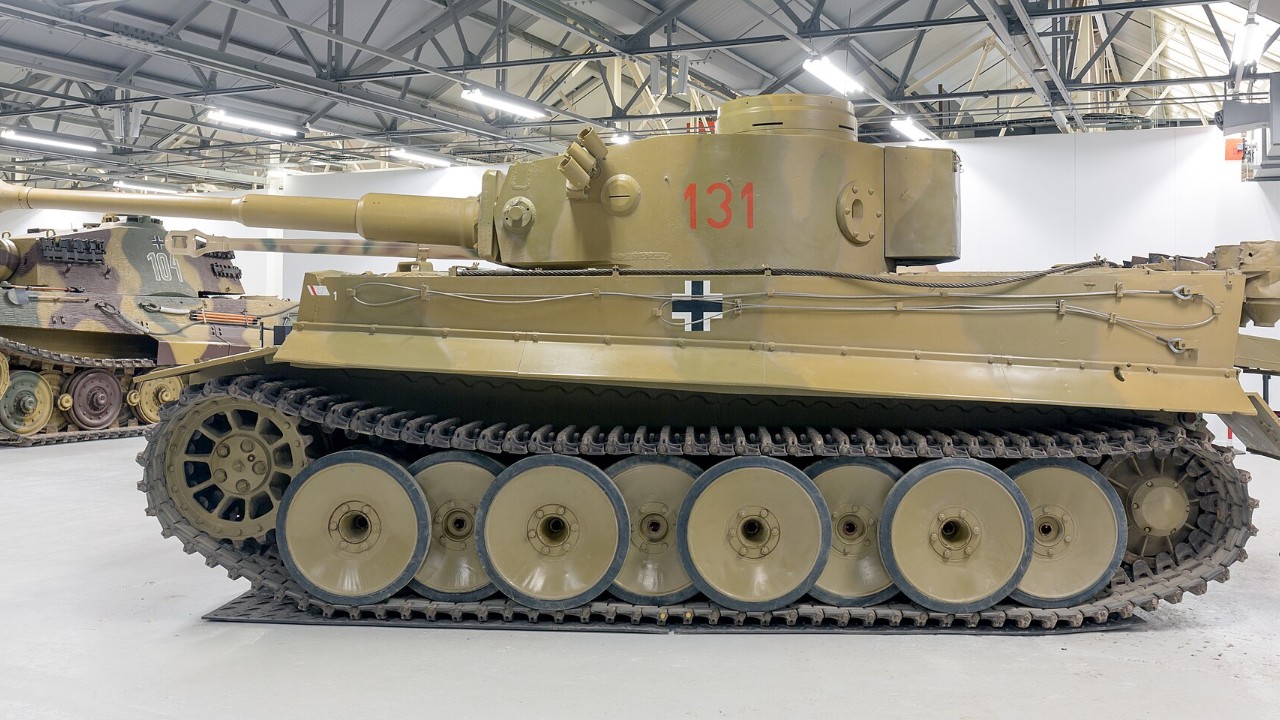
Germany built fewer than 1,400 Tiger I tanks, yet Allied units kept reporting one in their sector. That gap between numbers and fear tells you something. Some WWII tanks earned a reputation, but only a few changed how the other side fought.
Fear on a battlefield leaves a paper trail. It shows up in after-action reports, in new tactics, in memoirs and in orders to stay out of a fight. Soldiers bypassed some tanks, lured others into traps and called in heavier guns rather than trade shots head-on.
This list sticks to that evidence. These are Combat Rated’s picks for nine WWII tanks the enemy worked hard to avoid, from German heavies to British and Soviet designs that rattled the Wehrmacht. Each entry rests on what the opposing side reported, wrote or did, not just on reputation.
1. Tiger I
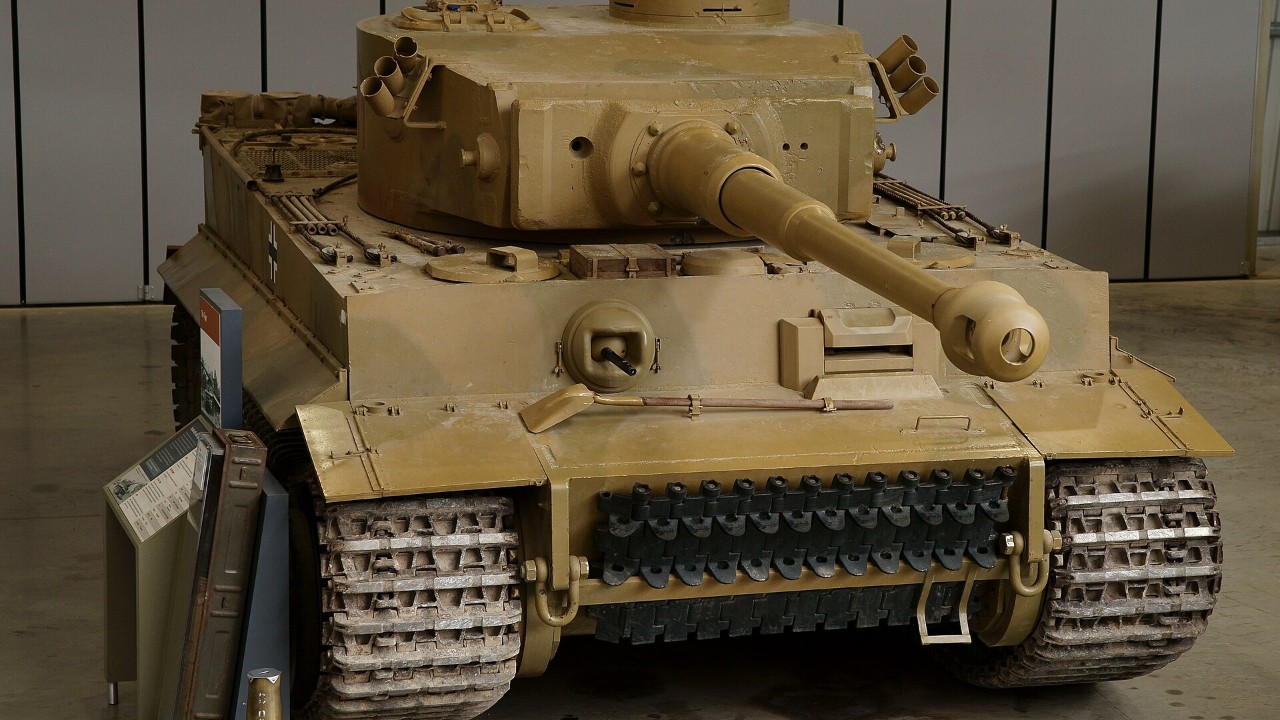
The Tiger I arrived in Tunisia in November 1942, and Allied crews quickly learned what its 88 mm gun could do. It outranged their tank guns, and their armor-piercing rounds bounced off it even at about 50 meters. As a result, a German heavy tank battalion reported that enemy columns and tanks fled as soon as the Tigers appeared.
The fear spread faster than the tanks did. Historian Maj. Christopher W. Wilbeck noted that Allied units continually reported Tigers in their sector, and the threat grew to mythic size. According to a Defense Media Network history of the Tunisian campaign, the best Allied answer was to avoid a straight duel. Instead, they pulled back behind minefields guarded by anti-tank guns, then called artillery onto any Tiger that got stuck.
Even Gen. George S. Patton wrote in 1945 that a Sherman could usually hit a Tiger from the rear and avoid a slugging match. That was sound advice. At Puffendorf in November 1944, one Sherman fired fourteen 76 mm rounds at a Tiger without effect before another Tiger knocked it out. In our view, no tank of the war did more to shape enemy tactics.
2. T-34
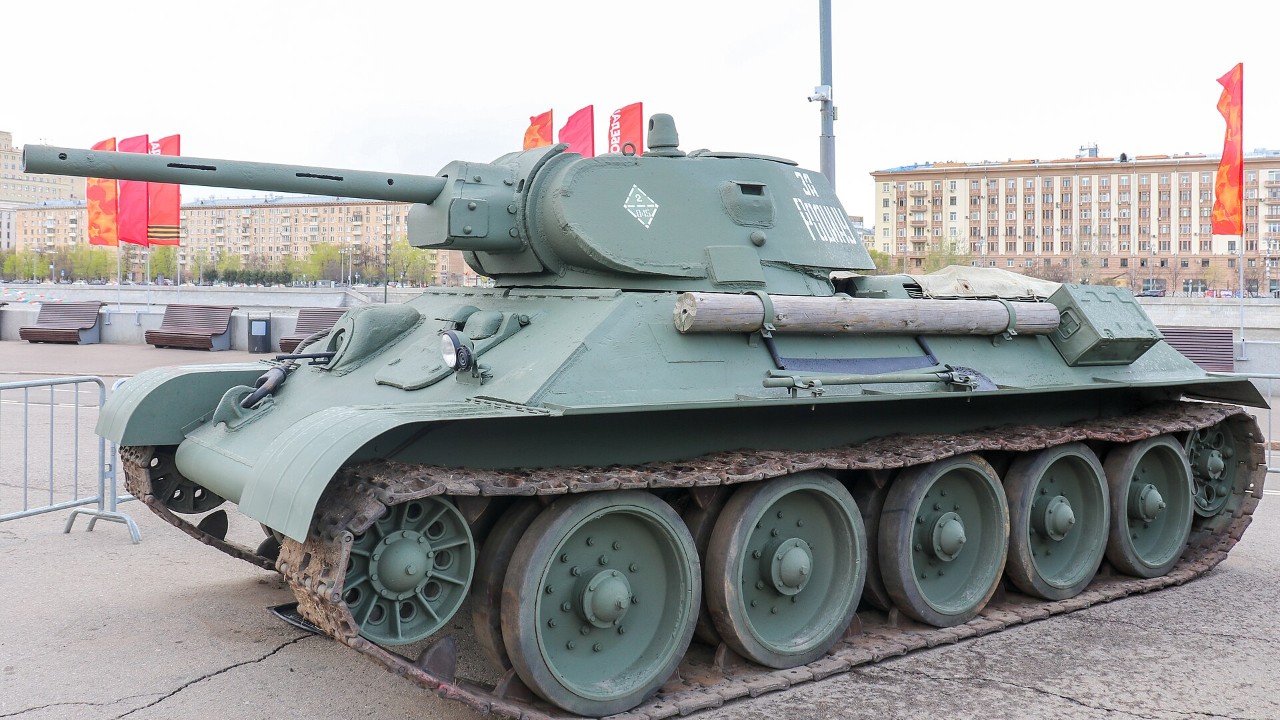
The Soviet T-34 surprised the Germans in 1941. Its sloped armor, wide tracks and long gun shrugged off the panzers that met it. One German battle report noted that a lieutenant’s tank hit a T-34 once at about 20 meters and four times at 50 meters. Those hits had no noticeable effect.
Early in the campaign, German crews preferred to bypass Soviet armor whenever possible. That was habit rather than formal order, but it says plenty. Then, after a sharp setback at Mtsensk on 4 October 1941, Gen. Heinz Guderian demanded an inquiry into tank warfare in the East. He even suggested the fastest fix would be to copy the T-34 outright.
Berlin took the threat seriously, and a special Panzer commission reached the Eastern Front on 20 November 1941 to study the tank. Germany’s weapons office judged a direct copy too hard, given the steel alloy and diesel engine it needed. Instead, Germany ordered a new medium tank that borrowed its long gun, broad tracks and sloped glacis. That tank became the Panther, and for our money, forcing your enemy to redesign its own armor is the clearest proof of fear there is.
3. KV-1
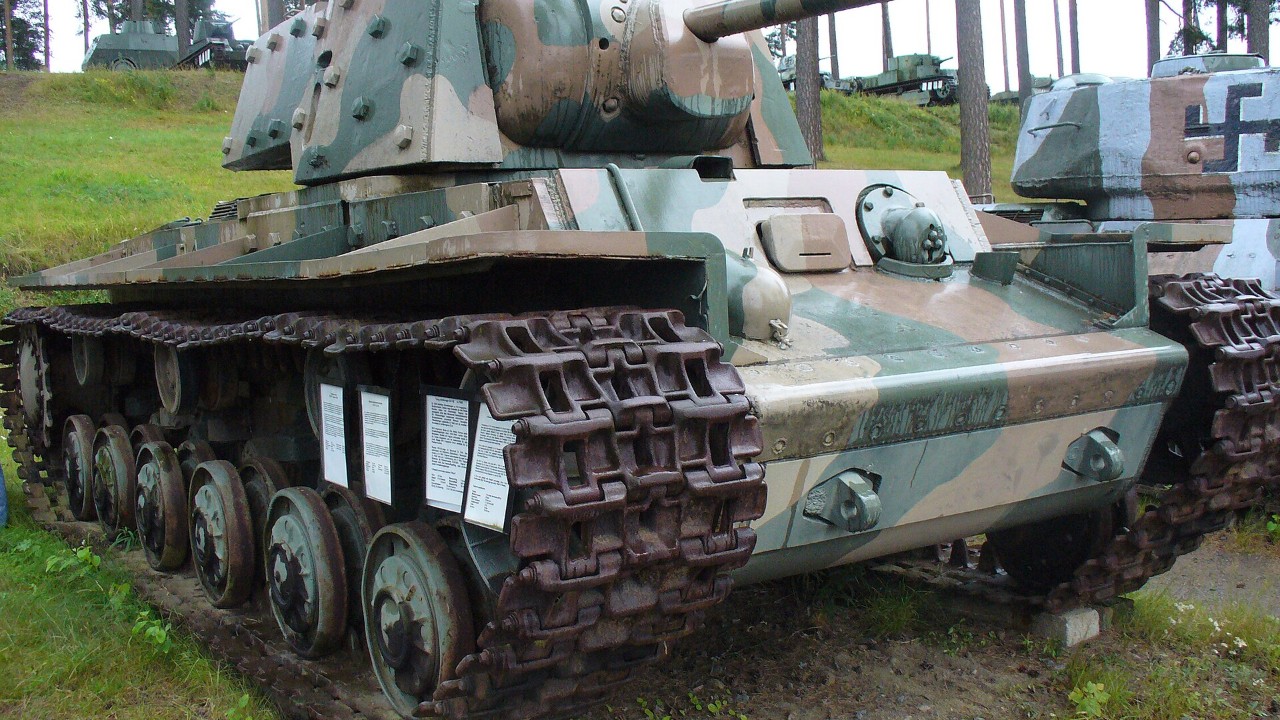
The KV-1 heavy tank gave the German 6th Panzer Division a brutal welcome in June 1941. On 23 June, German general Reinhardt described his surprise at the Soviet heavies on the Dubysa River. German flank attacks failed, and German tanks were knocked out instead. Elsewhere, a 105 mm howitzer hit a KV at close range, yet the tank stopped only briefly before it rolled on and crushed the gun.
The next day, a single KV blocked the only supply route into a German bridgehead near Raseiniai. A battery of 50 mm anti-tank guns lost crews and equipment without hurting it. Fourteen direct hits left only blue marks on the armor, and a hidden 88 mm gun was destroyed before it could fire. The German account of the action admitted there was “practically no means of eliminating the monster.”
In the end, the Germans used a ruse. Tanks feinted from three sides while an 88 crept up behind the KV. Of twelve direct hits, only three penetrated. We think that tells the story: a whole division needed a staged attack to remove one tank from one road.
4. Matilda II
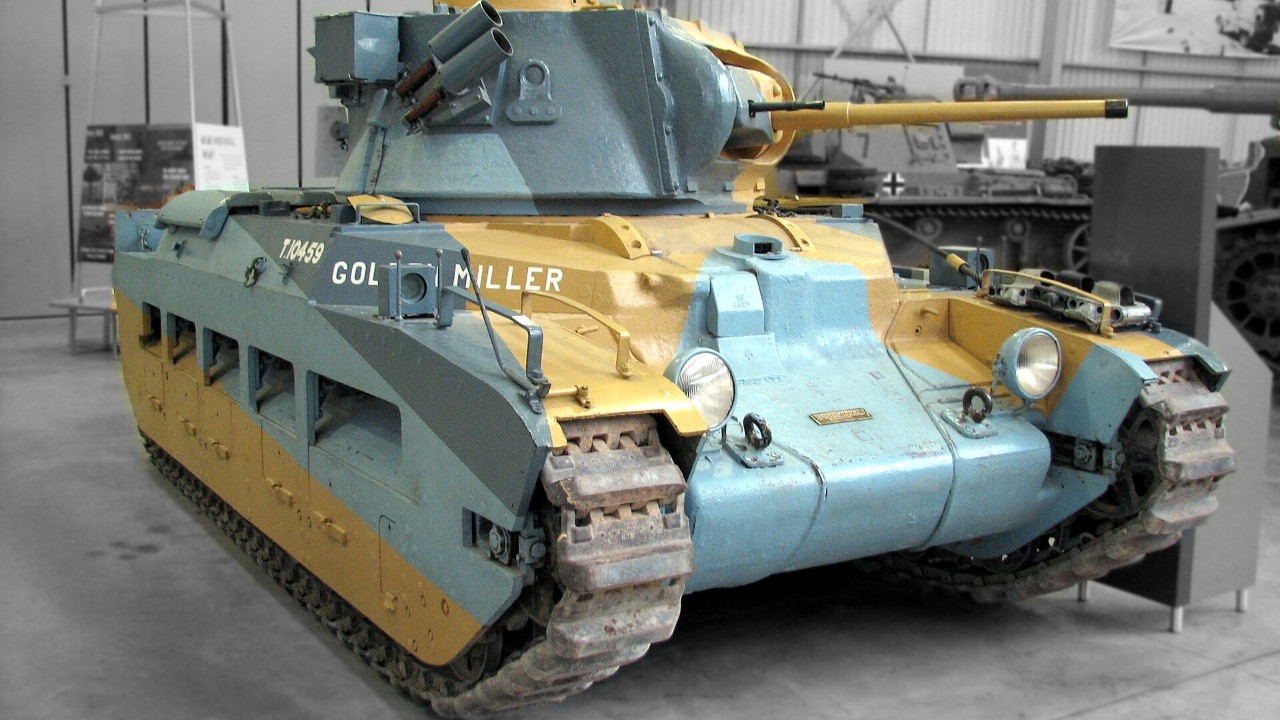
The Matilda II was a slow British infantry tank with a 2-pounder gun and a top speed of 16 mph. However, its armor reached 78 mm, and that mattered more. According to The Tank Museum at Bovington, 2,987 were built, and the type dominated the Western Desert from autumn 1940 to spring 1941. Australian crews kept it fighting in New Guinea until the war ended.
Its first fight came at Arras in May 1940. Erwin Rommel later wrote that British tank fire had created “chaos and confusion” among his troops, and he personally assigned targets to his anti-tank and anti-aircraft guns. In fact, the 88 mm flak gun was the only weapon his division had that could stop the Matilda.
Italian troops felt the same shock in North Africa. One Italian army doctor called the Matildas “the nearest thing to hell I ever saw,” as Warfare History Network recounts. At Nibeiwa, more than 4,000 Italian defenders surrendered, and survivors of Bardia later warned Tobruk’s defenders that the tanks were invincible. In our view, that is how a tank earns the nickname “Queen of the Desert.”
5. Char B1 bis
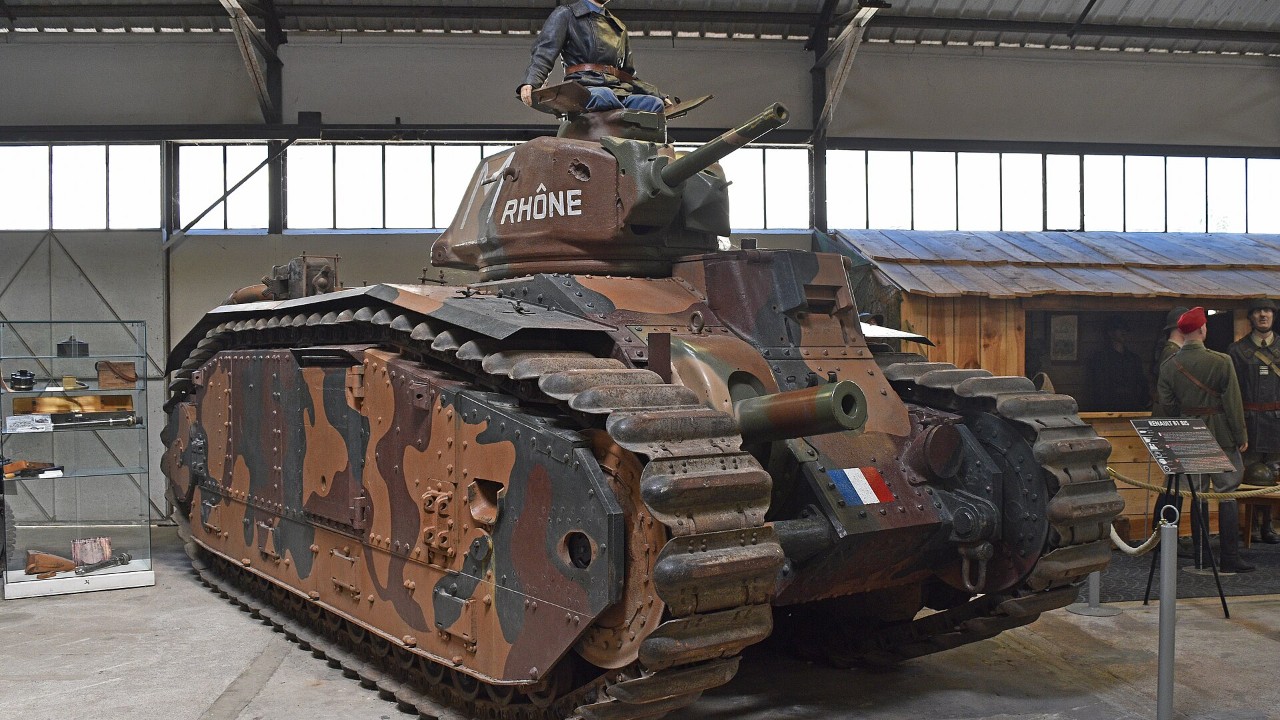
The French Char B1 bis was a heavy tank built around thick armor. In May 1940, it fought at Stonne, a village that changed hands 17 times. German veterans who fought there and later at Stalingrad reportedly insisted Stonne was worse. The French sent 130 tanks into the fight and lost 33, mostly to breakdowns, while the Germans committed 300 and lost 24.
On 16 May, Capt. Pierre Billotte drove his B1 bis, named “Eure,” into Stonne almost alone. He commanded the 1st Company of the 41st Battalion, and his tank led the French attack that morning. His crew knocked out a German tank company and two anti-tank guns, which accounts put at 11 to 13 panzers. Meanwhile, his tank absorbed about 140 hits, and none penetrated.
The German reaction reached the top. According to HistoryNet, Guderian later admitted the Char B1s had given him some very bad moments. At Montcornet, standard German anti-tank guns could not get through the B1’s turret and frontal armor. France still fell, but we think the B1 bis proved that the Germans had a reason to fear a well-handled French heavy.
6. Panther
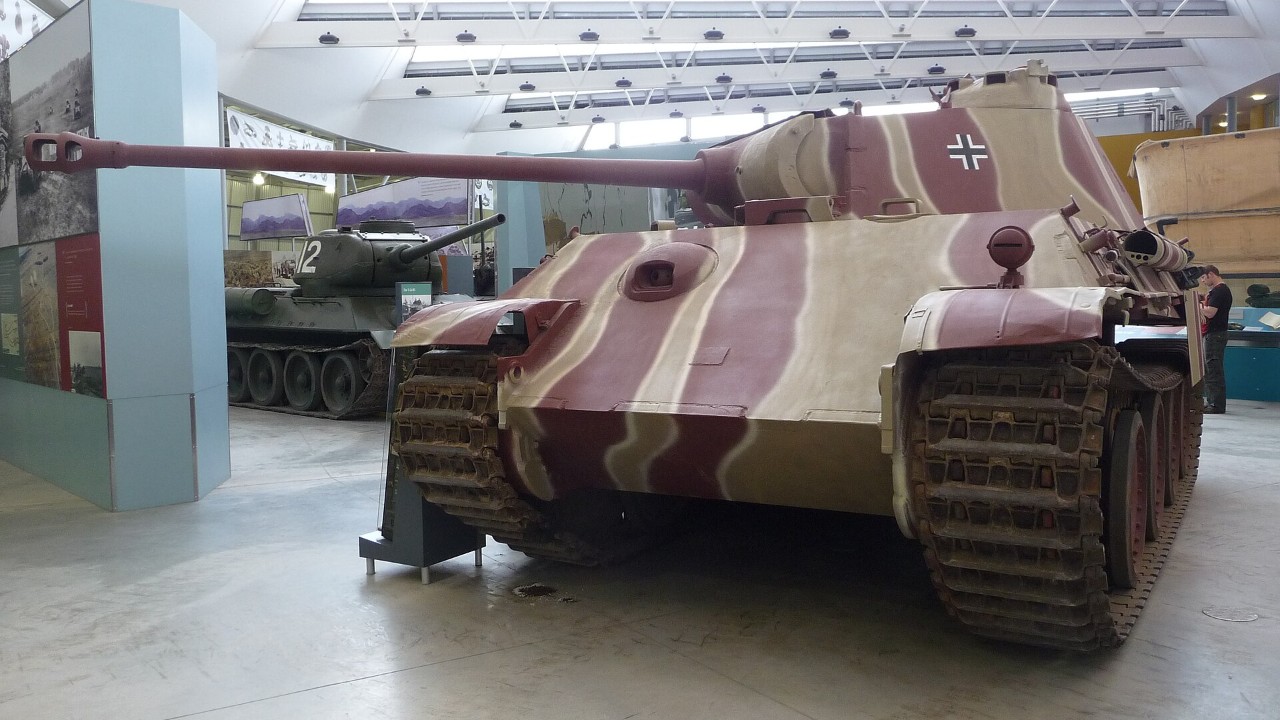
Germany’s Panther was the tank born from the T-34 shock, and American crews faced it in 1944. Its high-velocity gun outranged the Sherman. Capt. Henry Johnson told a 1945 Army survey, “I have seen them knock our tanks out at ranges up to 1,000 yards.” He added that he knew of no case where a Sherman had knocked out a Mark V or Mark VI at more than 300 yards.
Consequently, US tactics changed to avoid a head-on fight. According to a GlobalSecurity study of Shermans against German heavies, a five-tank platoon facing a Panther or Tiger would use one section to draw fire. The other section then swung wide to hit the flank or rear. Gen. Omar Bradley also recalled Gen. Dwight Eisenhower’s frustration in July 1944 that the new 76 mm gun could not knock anything out.
By late November 1944, a 2d Armored Division tanker admitted their men no longer trusted their armor and guns as much. Wide flanking moves came at a price, too. One 2d Armored battalion lost 70 percent of its tanks between 26 July and 12 August 1944. In our view, few tanks did more to shake an army’s confidence in its own equipment.
7. IS-2
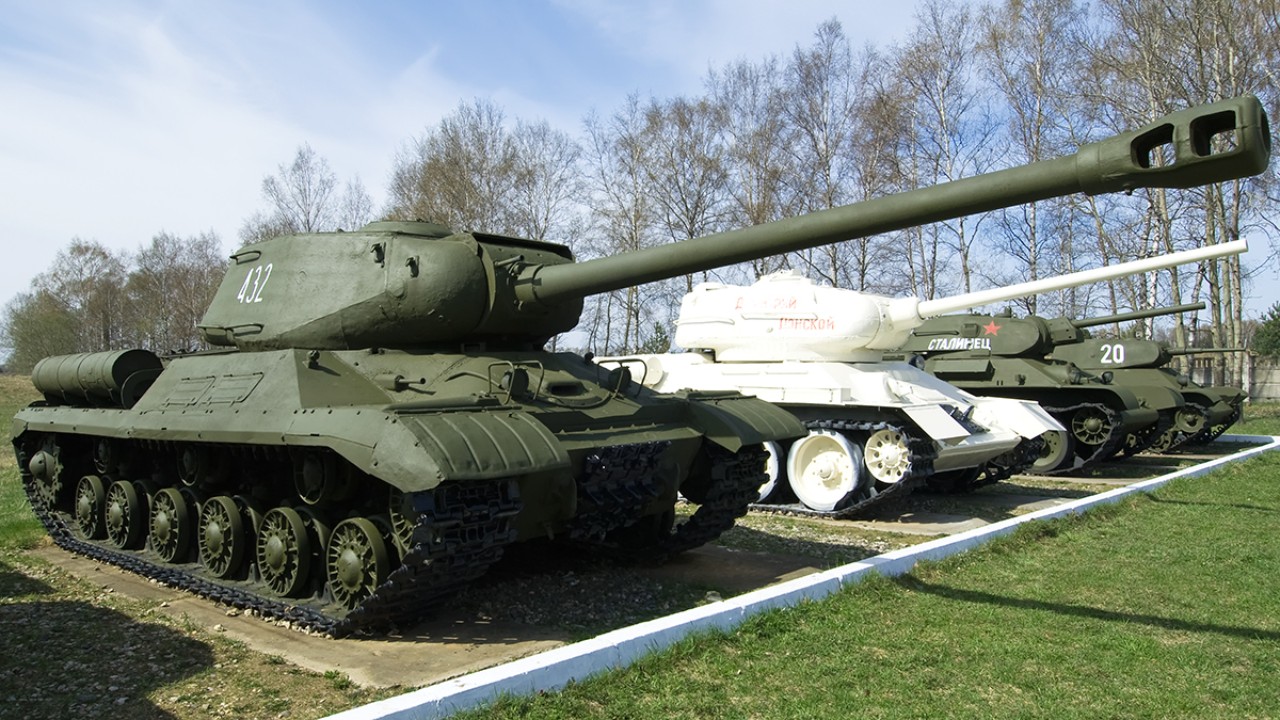
The Soviet IS-2 heavy tank carried a 122 mm gun, and 3,395 were built before the war ended. It entered Red Army service at the end of October 1943, and Soviet commanders guarded it carefully. An April 1944 memo to Marshal Ivan Konev advised keeping the new regiments in the second echelon and firing from 1.5 to 2 km. Notably, it won respect from the best German tank commanders.
Otto Carius, one of Germany’s best-known Tiger commanders, wrote in his memoir “Tigers in the Mud” that “the Joseph Stalin tank that we encountered in 1944 was at least equal to the Tiger.” German crews adapted to that threat. A Soviet report described Germans hiding tanks hull-down or dug in, then waiting until the IS-2 came close. They aimed at the muzzle brake first, then fired again as the turret came into view.
Russian accounts go further and claim the Wehrmacht ordered its tank crews to avoid duels with the IS-2. We have not found that order in German records, so treat it as a claim. Still, the ambush tactics speak for themselves. Modernized IS-2s stayed in Soviet and Russian service until 1995.
8. Churchill Crocodile
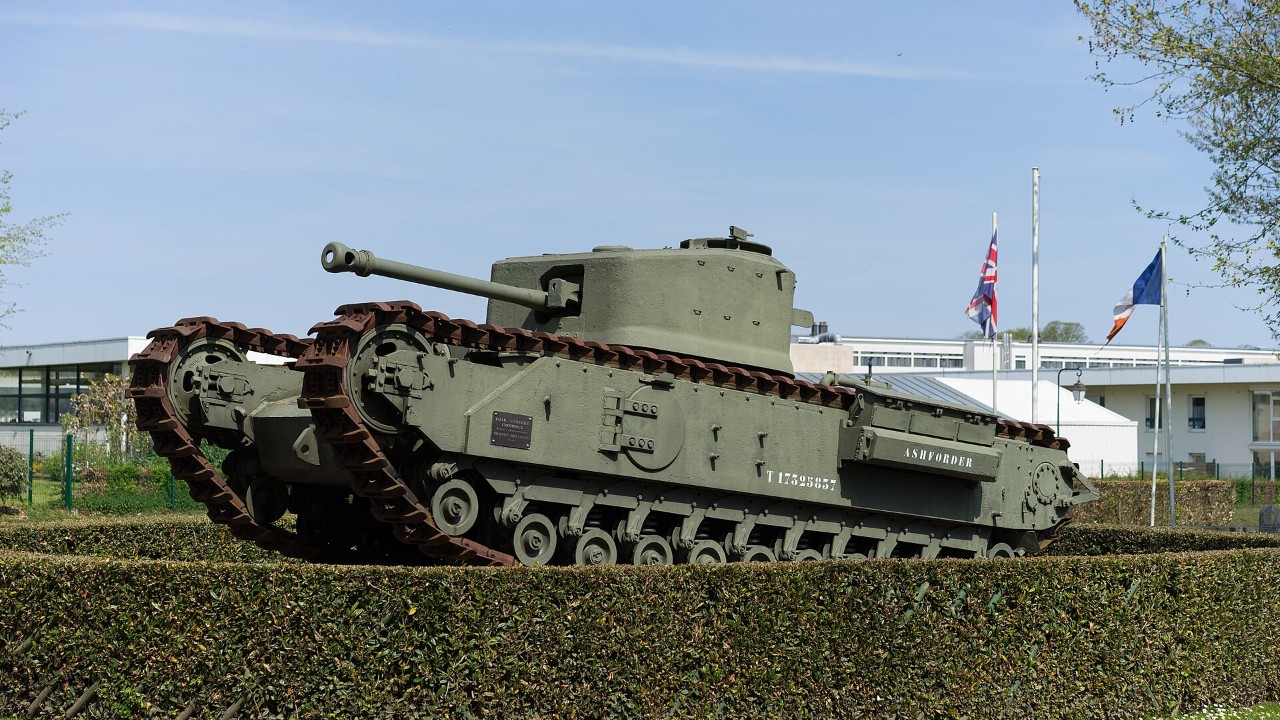
The Crocodile was a Churchill Mk VII infantry tank fitted with a flamethrower. It towed a 6.5-ton armored trailer that held 400 imperial gallons of thickened fuel. That load gave roughly 80 one-second bursts at about 100 to 130 meters. In total, around 800 Churchills were converted, and they served with Maj. Gen. Percy Hobart’s 79th Armoured Division.
German troops often chose surrender over a fight with it. In our view, that makes it the clearest case on this list. A wartime analysis of 31 actions found only about 150 enemy casualties from flame, but around 5,000 Germans surrendered rather than face it. On 7 June 1944, about 150 Germans gave up after one troop first used its flame against a hidden battery, as the Normandy War Guide details.
German gunners tried to fire early and aim for the trailer, its weakest point. If it was hit, the crew could jettison it and fight on. Crocodile crews also believed that capture meant execution, though that claim remains thinly documented. C Squadron of the 141st Regiment Royal Armoured Corps landed Crocodiles on Gold Beach on D-Day.
9. M4A3R3 “Zippo” flame tank
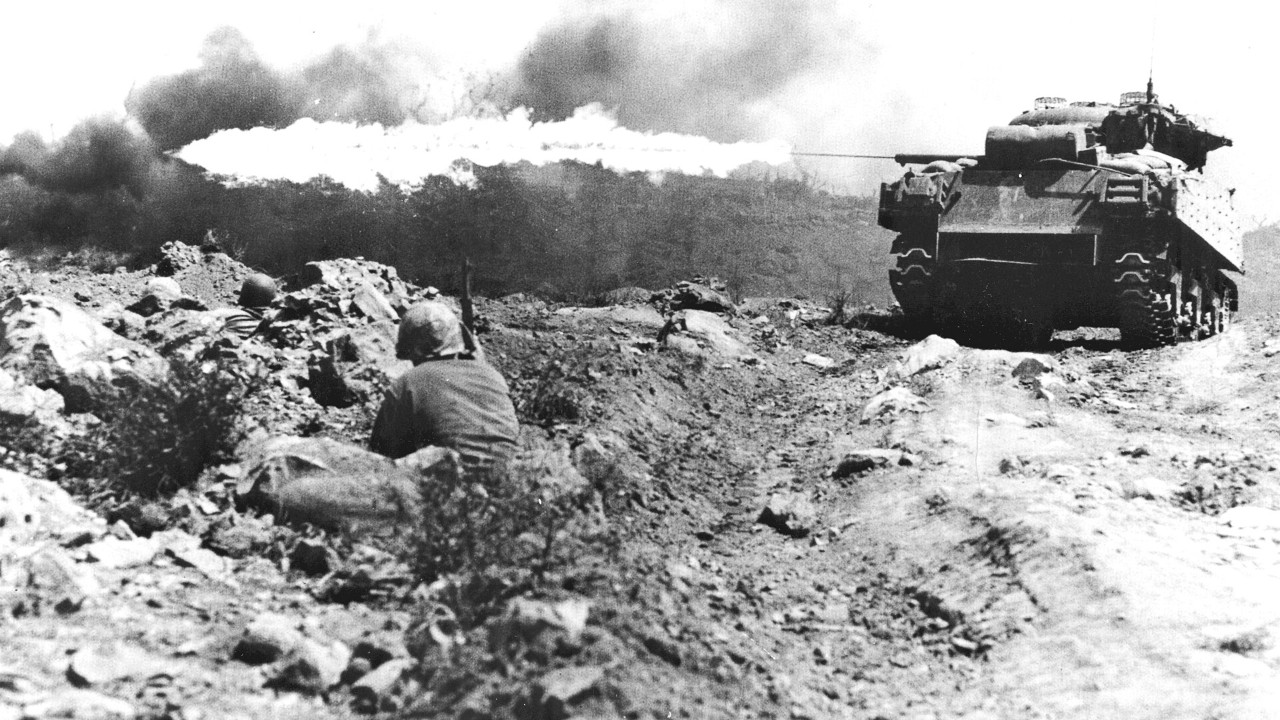
The US Marines took their own flame tanks to Iwo Jima. The M4A3R3, nicknamed “Zippo” or “Ronson,” was a Sherman armed with a Navy Mark 1 flamethrower. It could reach about 150 yards, and eight of them landed on the first day of the battle, then went into action on the second. Against caves and reinforced concrete, they proved more effective than air strikes or naval guns.
Japanese defenders dreaded these tanks. The 1st Marine Division’s history called the flame tank the one weapon that drove Japanese troops out of their caves and rock crevices to run. Japanese soldiers also made suicidal attacks to stop the Shermans before they could torch their positions. The tanks used about 10,000 gallons of napalm a day, according to Military.com.
Marines often paused their advance until a Zippo could come forward. Capt. Frank C. Caldwell, a company commander with the 26th Marines, put it plainly: “In my view, it was the flame tank more than any other supporting arm that won this battle.” That battle lasted 36 days, and the Zippos were in action from the second day on.