
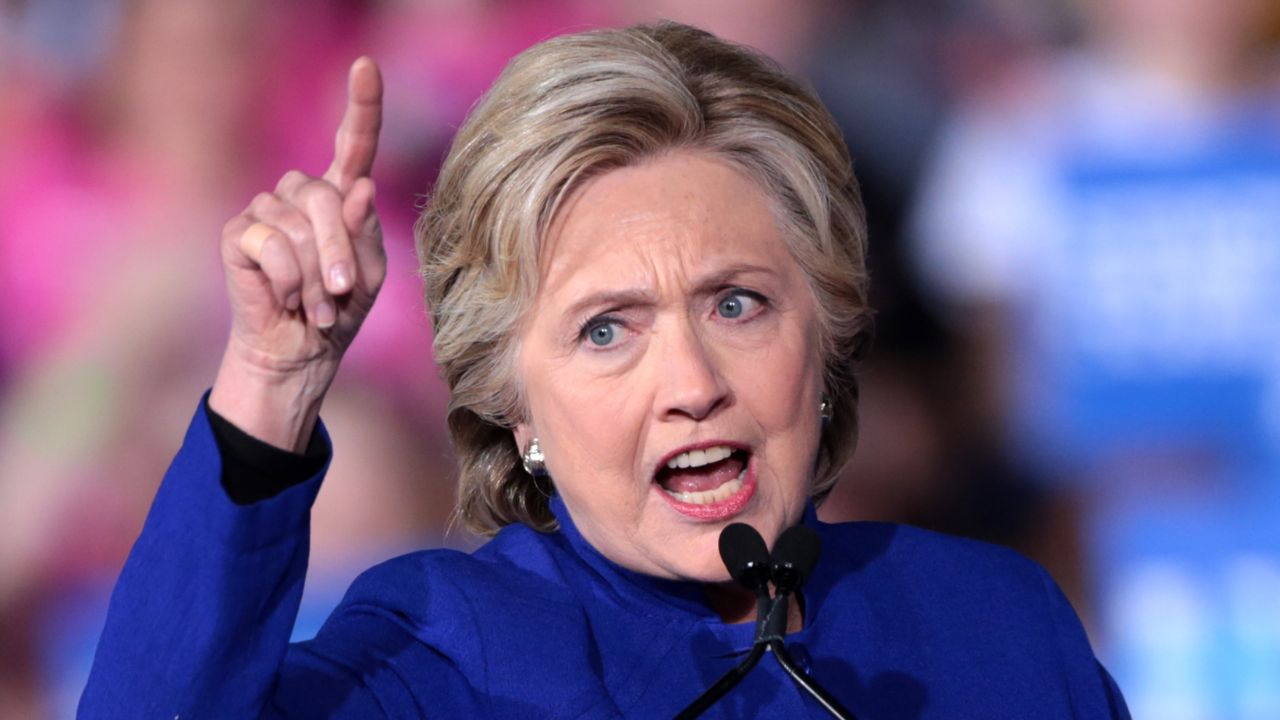
Former Secretary of State and former first lady Hillary Clinton declared Wednesday that “The post-Trump era begins now,” issuing a sweeping post-election call for accountability, economic affordability and the prevention of what she described as historic abuses under President Donald Trump. In a November 4 statement following Democratic victories in the midterm elections, Clinton said Americans had delivered a clear message and argued that alleged crimes against the public and the Constitution must be answered for.
Clinton’s statement goes beyond celebrating Democratic victories, presenting the election results as a turning point in the country’s political direction. Her language invokes accountability for the Trump administration’s conduct, the restoration of constitutional protections and the need to address economic pressures facing American families. The declaration comes from a prominent Democratic figure who previously served as secretary of state, represented New York in the Senate and was the party’s 2016 presidential nominee against Trump.
“Last night, Americans made a clear call for accountability and affordability.
A body politic cannot recover until its harms have been treated and its wounds have been healed. Crimes against our people and our Constitution must be answered for. The historic abuses of the last two years must be prevented from happening again.
American families should be able to thrive, not just survive. Every child should have the chance to live up to his or her full potential. The American Dream must be more than a mirage.
I am confident Democrats can deliver both, and much more.
The post-Trump era begins now.”
The first portion of Clinton’s statement, “Last night, Americans made a clear call for accountability and affordability,” identifies the two issues she believes defined the election. Accountability refers to the political and legal consequences she believes should follow alleged misconduct, while affordability concerns the economic conditions facing households. By linking the two, Clinton presents the election as a demand for both institutional responsibility and improvements in everyday life.
Her statement that “A body politic cannot recover until its harms have been treated and its wounds have been healed” introduces a broader argument about the country’s political condition. Clinton describes the nation as having experienced damage that requires a response before recovery can occur. The language of healing is significant because it frames accountability not as a substitute for national reconciliation but as a necessary step toward it.
The most direct accusation comes in Clinton’s declaration that “Crimes against our people and our Constitution must be answered for.” The wording is notably forceful, suggesting that she believes actions affecting Americans and constitutional institutions require consequences. Clinton does not identify specific criminal charges in the post. Her statement therefore reflects a political demand for accountability rather than a determination by a court that particular individuals have committed crimes.
Clinton’s next assertion — “The historic abuses of the last two years must be prevented from happening again” — focuses on the period of Trump’s current administration. Her wording suggests that she views the administration’s conduct as extending beyond isolated controversies and involving broader institutional concerns. The prevention component is particularly important: Clinton is calling not only for accountability for past actions but also for safeguards against similar actions in the future.
The reference to the Constitution places Clinton’s message within her longstanding criticism of Trump’s approach to presidential power. During Trump’s first presidency and the years since, Clinton has repeatedly criticized his conduct and warned about threats to democratic institutions. As a former secretary of state and presidential candidate, she has frequently framed the conflict with Trump in terms of constitutional governance, democratic accountability and the responsibilities of elected officials.
Clinton then shifts from institutional accountability to the economic conditions of American families. “American families should be able to thrive, not just survive,” she wrote. The distinction reflects her emphasis on economic opportunity and the idea that families should have more than the resources necessary to meet basic needs. Although the post does not identify specific legislation, it makes affordability a central part of the political agenda she expects Democrats to pursue.
Her statement that “Every child should have the chance to live up to his or her full potential” broadens that economic argument into a discussion of opportunity. Clinton’s wording emphasizes children’s futures and the ability of families to access the conditions necessary for development and success. It also connects her post-election message with her longstanding public advocacy involving children, education, health and economic opportunity.
“The American Dream must be more than a mirage” is another central line in Clinton’s statement. The phrase presents the American Dream as an aspiration that has become difficult for many families to attain. Clinton’s argument is that the promise of economic mobility must be reflected in actual opportunities, rather than remaining an ideal that Americans cannot realistically achieve. Her reference to affordability directly connects that promise with the economic circumstances of voters.
Clinton’s confidence that “Democrats can deliver both, and much more” places the responsibility for achieving those goals on the party following its election victories. The word “both” refers to accountability and affordability, the two priorities identified at the beginning of her post. Her statement is a declaration of confidence in Democratic leadership, while also setting expectations for the party’s ability to translate its electoral success into policy.
The final sentence, “The post-Trump era begins now,” is the most politically significant declaration in the post. Clinton is presenting the election as the beginning of a transition away from Trump’s political leadership and governing approach. The statement does not mean Trump’s presidential term has ended; the administration continues in office. Rather, Clinton is describing what she sees as the beginning of a new political phase following the election results.
Clinton also attached a Houston Chronicle article documenting a memorial for Lorenzo Salgado Araujo, a 52-year-old Houston father of three who was fatally shot by an Immigration and Customs Enforcement agent on July 7. The article describes how his son, Ronaldo Salgado, placed an “I Voted” sticker at the memorial during early voting, after which hundreds of voters added their own stickers in tribute. The memorial became a site where community members expressed grief, solidarity with the family and support for immigrants through messages left beside the father’s name.
The article’s account of the memorial provides a local, human dimension to Clinton’s post-election message. Voters left messages including “I VOTED FOR CHANGE!” and “Voted for those who can’t!” while Ronaldo Salgado thanked visitors for remembering his father. The story describes how the memorial became connected to the electoral process, with participants using their voting stickers to honor Salgado Araujo and express hopes for change. The article does not establish that Clinton’s post was specifically an accusation about the shooting, but its attachment brings the incident and the community’s response into the context of her statement.
Clinton has also publicly criticized ICE following the fatal shootings of Lorenzo Salgado Araujo in Houston and Joan Sebastian Guerrero in Maine. In a recent statement, she called for body cameras to be worn by every ICE agent, arguing that the deaths raised urgent questions about transparency and accountability. Her remarks demonstrate that her concerns about federal immigration enforcement have extended beyond her post-election message and include specific calls for oversight of the agency. The deaths and the circumstances surrounding them remain matters requiring investigation and documented evidence.
The election results provide the broader context for Clinton’s declaration. Reuters reported that Democrats captured majorities in both chambers of Congress, delivering a sweeping setback to Trump and ushering in a new period of divided government. Clinton’s message reflects the expectations among prominent Democrats that the election will lead to greater scrutiny of the administration and a renewed focus on economic issues. Her statement closes with an unequivocal political declaration: she believes the country is entering a post-Trump era, one in which accountability, constitutional protections and economic opportunity must define the next chapter.