
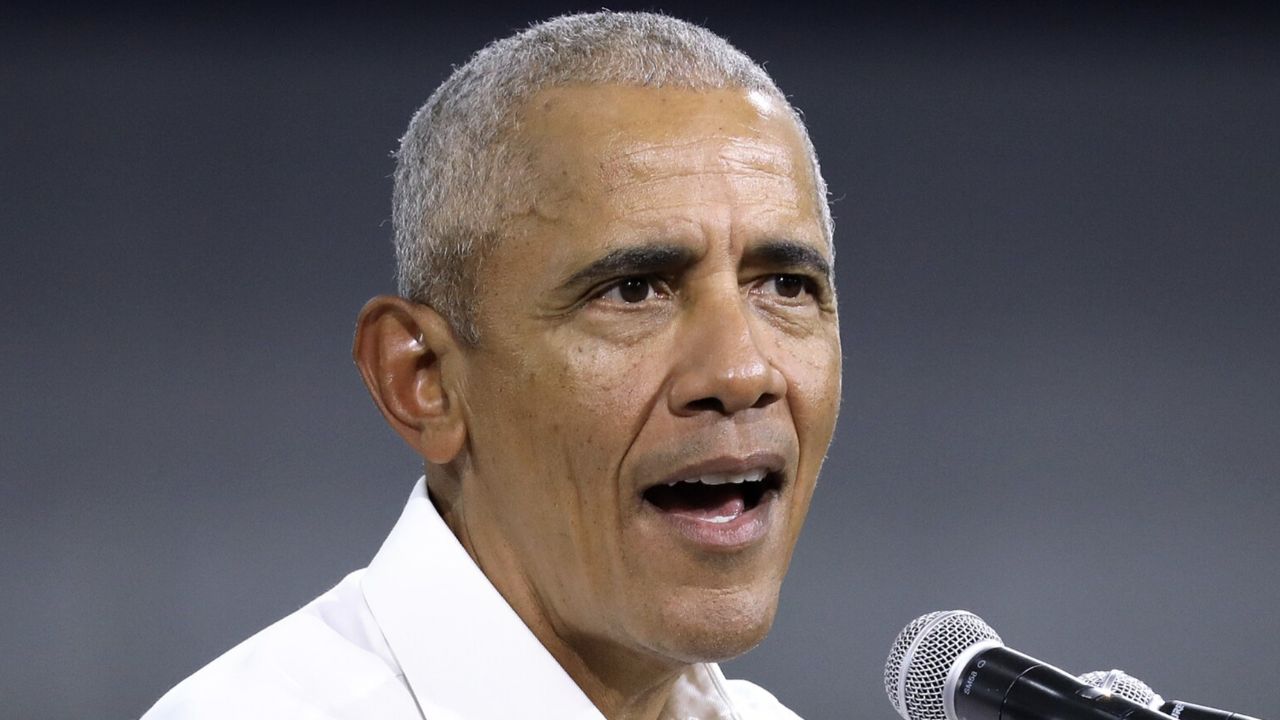
Former President Barack Obama issued a sweeping post-election statement Wednesday, declaring that American voters had sent a “clear message” demanding a less divisive political environment, leaders capable of offering concrete solutions and a government focused on public service. Following Democratic victories in the November 3 midterm elections, Obama called on the party to use its political power to make changes, “prevent further damage” and prepare for the country’s future while acknowledging that President Donald Trump still has two years remaining in office.
Obama’s statement, published late Tuesday night, addressed both the meaning of the election results and the responsibilities facing Democrats in the months ahead. The former president emphasized unity, the importance of candidates who represent diverse communities and the contributions of election officials and volunteers. His message also included a direct acknowledgment of the challenges posed by Trump’s continued presidency, with Obama urging Democrats to act wherever they possess the authority to do so.
“Tonight, the American people sent a clear message — they want a politics that brings people together rather than divides them, and leaders who offer concrete solutions to the challenges they face.
These results were only possible because outstanding candidates stepped forward in every region of the country — including in areas once considered long shots. They came from different backgrounds and represented a range of political perspectives, but were united by shared values, a belief in public service, and a commitment to putting the people of their districts and states first.
We also owe a debt of gratitude to the thousands of election officials and volunteers from both parties who helped ensure a smooth election and carried out one of the most essential functions of our democracy.
While this administration has another two years in office, our job now is to roll up our sleeves, make changes wherever we have the power to do so, prevent further damage, and lay the groundwork for the future.”
Obama’s opening declaration that voters want “a politics that brings people together rather than divides them” places political unity at the center of his interpretation of the election. The former president is arguing that the results reflect a preference for leaders who can address disagreements while prioritizing shared concerns. The statement does not suggest that political differences should disappear; rather, Obama emphasizes that elected officials should focus on governing and solving problems instead of intensifying divisions.
His accompanying demand for “leaders who offer concrete solutions to the challenges they face” establishes a practical expectation for Democratic officeholders. Obama is calling for a political approach that moves beyond rhetoric and produces measurable outcomes. The phrase is particularly relevant to the party’s economic and governing agenda following its victories, as Democrats will face expectations to address issues affecting households, communities and the broader economy.
Obama next credited the election results to candidates who stepped forward “in every region of the country,” including areas previously viewed as long shots. His statement highlights the geographic breadth of the Democratic campaign effort and the importance of candidates competing beyond traditionally Democratic districts. The emphasis on long-shot races also reflects the significance of expanding the party’s electoral reach in states and communities where Republicans have historically held advantages.
The former president’s reference to candidates from “different backgrounds” and a “range of political perspectives” underscores his argument that the Democratic coalition is not politically or socially uniform. Obama presents the candidates’ shared values, commitment to public service and focus on their constituents as the factors that united them. The message suggests that Democratic success depended on candidates who could represent different communities while maintaining a common commitment to governing.
Obama’s emphasis on putting “the people of their districts and states first” reinforces his broader argument about public service. He is urging newly elected officials to prioritize the needs of their constituents rather than party leadership, political personalities or ideological disputes. The statement also establishes an expectation that the candidates who won competitive races will remain accountable to the communities that elected them.
The former president also recognized “the thousands of election officials and volunteers from both parties” who helped conduct the election. His acknowledgment is significant because it explicitly credits bipartisan participation in the administration of elections. Obama described their work as carrying out “one of the most essential functions of our democracy,” emphasizing the importance of election administration and the people responsible for ensuring that voting proceeds smoothly.
The most consequential portion of Obama’s statement begins with his acknowledgment that “this administration has another two years in office.” The sentence recognizes that the election results do not immediately end Trump’s presidency. Instead, Obama frames the coming period as a challenge in which Democrats must operate within the existing administration while using the authority available to them. The remark also makes clear that his message is directed toward the remaining years of Trump’s current term.
Obama’s call to “roll up our sleeves” signals a transition from campaigning to governing. The expression emphasizes work, preparation and sustained effort rather than celebration alone. His statement suggests that Democrats must now turn their electoral success into legislative priorities, oversight efforts and policy changes that address the concerns raised by voters.
The demand to “make changes wherever we have the power to do so” is an explicit call for Democrats to exercise their authority. Depending on the level of government, that could involve legislation, congressional oversight, state-level policymaking or administrative decisions. Obama does not identify specific proposals in his post, but the wording indicates that he expects Democratic officeholders to act rather than wait for the administration to change course.
His instruction to “prevent further damage” is the sharpest criticism of Trump’s continued presidency in the statement. Obama is suggesting that the administration’s actions have already caused harm and that Democrats must work to limit additional consequences. The statement does not identify particular actions as the subject of this phrase, leaving it as a broad political assessment. In the context of his previous criticism of Trump’s policies and leadership, however, the wording reflects his longstanding opposition to the president’s governing approach.
Obama’s final demand to “lay the groundwork for the future” places the election within a longer-term political strategy. The former president is urging Democrats not only to respond to the current administration but also to establish conditions for future leadership and policy priorities. His message points toward sustained organizing, governing efforts and preparation for subsequent elections rather than treating the midterm victories as an endpoint.
The statement also follows Obama’s extensive involvement in the 2026 midterm campaign. The former president endorsed Democratic candidates, participated in campaign events and encouraged voters to support the party. His public campaign activity included appearances in support of candidates such as Georgia Sen. Jon Ossoff and Ohio gubernatorial candidate Amy Acton. Obama’s participation reflected his continuing role as one of the Democratic Party’s most influential campaign figures, even after leaving the presidency.
The election results provide the immediate context for Obama’s remarks. Reuters reported that Democrats captured majorities in both the House and Senate, delivering a sweeping setback to Trump and reaching into Republican strongholds. The outcome ushered in a period of divided government in Washington, creating new opportunities for congressional oversight and changing the balance of power between the White House and Congress. Obama’s reference to the administration having two more years in office directly reflects the challenges that remain despite the Democratic victories.
Obama’s statement ultimately combines congratulations with a call for sustained political action. He credits candidates from different backgrounds, recognizes bipartisan election workers and emphasizes the public’s desire for unity and practical solutions. At the same time, his warning that Democrats must “prevent further damage” makes clear that he views the election as an opportunity to limit Trump’s influence and prepare for a different political future. For the former president, the victories are a starting point: Democrats must now demonstrate that they can govern, deliver results and respond to the message voters sent.