
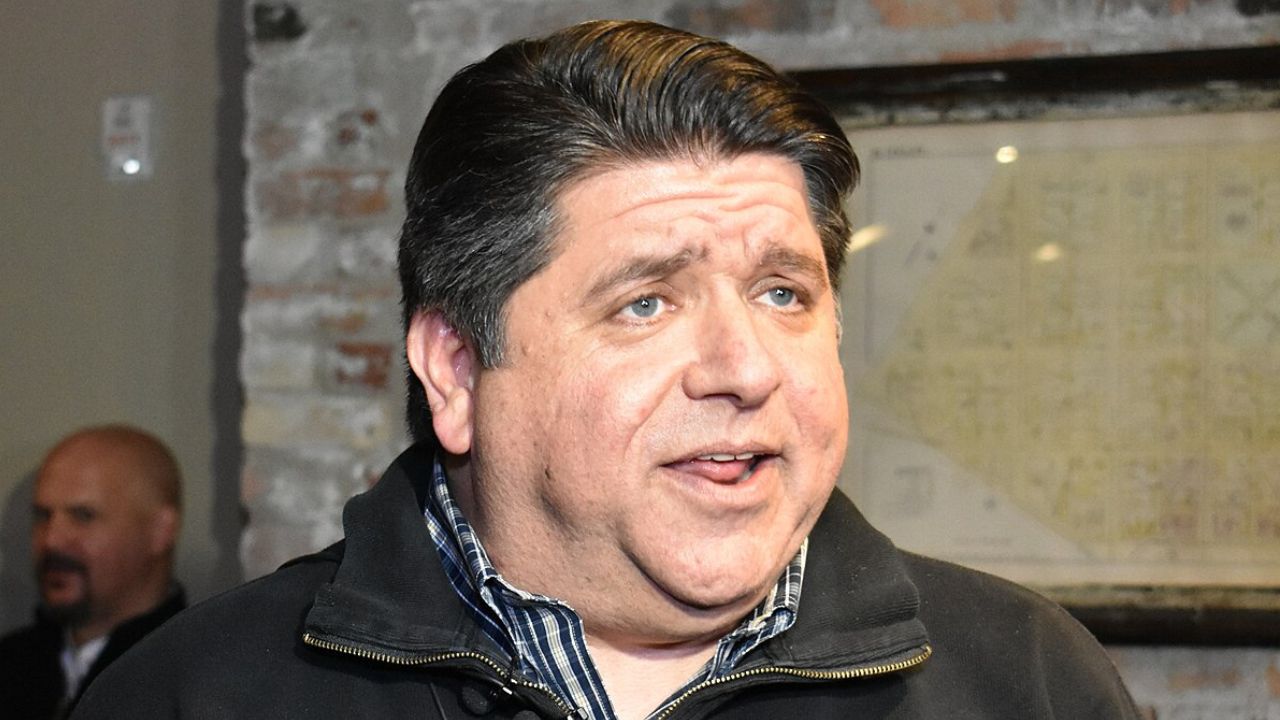
Illinois Gov. JB Pritzker is urging residents across the state to cast their ballots in the 2026 midterm elections, warning that the outcome could be among the most consequential in a lifetime. In an early November 3 message, the Democratic governor emphasized the importance of voter participation and reminded Illinois residents that they could remain in line after polls officially close as long as they had arrived before the deadline.
Pritzker published the following statement on X at 6:08 a.m. Eastern time:
Polls are open, Illinois!
This is one of the most important elections in our lifetimes. Don’t sit this one out.
You have until 7pm to cast your ballot, and if you’re in line when the polls close—stay in line.
The governor’s message is a direct appeal for turnout, with particular emphasis on residents who might otherwise delay voting or decide not to participate. By describing the election as one of the most important in a lifetime, Pritzker is emphasizing the potential consequences of the results for the country’s political direction and the balance of power in Washington.
His appeal comes during an election in which Democrats are attempting to take control of Congress from Republicans. All 435 seats in the House of Representatives and 35 seats in the Senate are being contested, making the election a major test of Trump’s second presidency and the Republican congressional majority.
Pritzker has been one of Trump’s most outspoken Democratic critics, frequently arguing that the president’s policies threaten constitutional protections, individual rights and the authority of state governments. His November 3 voting message follows years of public opposition to Trump’s agenda, including disputes involving immigration enforcement, federal authority, health care and the administration’s approach to democratic institutions.
The governor’s opposition has become especially visible over immigration enforcement. His administration has criticized federal operations in Illinois and established the Illinois Accountability Commission to document federal immigration enforcement conduct, preserve records and pursue accountability. In an October 15 announcement, Pritzker described the administration’s actions as an assault on communities and argued that federal agents should not be shielded from investigation.
Pritzker’s broader political argument is that state governments must defend their residents when they believe federal actions threaten their rights or safety. That position has informed his public disputes with Trump and his administration’s efforts to document immigration enforcement activity. His criticism is not limited to campaign statements; it has also involved state-level legislation, public investigations and other government actions.
The governor’s November 3 message does not explicitly mention Trump, the Iran war or a particular congressional race. Instead, it focuses on the responsibility of Illinois residents to participate in the election. However, its timing and Pritzker’s broader opposition to the administration place the message within the larger Democratic effort to challenge Republican control of Congress.
The stakes are particularly significant because control of the House and Senate determines which party controls congressional committees, sets much of the legislative agenda and leads oversight of federal agencies. If Democrats take the House, they could begin new investigations into administration policies and demand testimony and documents from federal officials. A Democratic Senate majority would also change committee leadership and the chamber’s approach to legislation, nominations and oversight.
Reuters reported on November 3 that Democrats need to gain at least three House seats and four Senate seats to secure majorities in both chambers. Polling and nonpartisan forecasts have favored Democrats in the House, while the Senate contest has remained uncertain. The results will determine whether Republicans retain control of the legislative branch or face a divided government during the final two years of Trump’s term.
The election is also taking place amid widespread concerns about the economy. Reuters reported that voters have been increasingly focused on rising household costs, including gasoline, diesel and other expenses. The Iran war and Trump’s tariff policies have become central points of criticism from Democrats, who argue that the administration’s decisions have contributed to higher costs.
Those economic issues have helped make the midterms a broader referendum on Trump’s presidency, even though the president himself is not on the ballot. Voters are deciding which party should control Congress and therefore have the power to shape legislative responses to the administration’s economic, foreign-policy and domestic priorities.
Pritzker’s reference to the election being among the most important in a lifetime is a political assessment rather than a measurable description of the election. Nevertheless, the congressional consequences are substantial. A change in party control could reshape oversight of federal immigration enforcement, the Iran war, tariffs, health care and federal spending, while continued Republican control would leave the existing congressional leadership structure in place.
His reminder about the 7 p.m. deadline also serves a practical purpose. Pritzker specifically told voters who were still in line when polls closed to remain there rather than leave without casting their ballots. The message was intended to prevent confusion about the voting deadline and encourage residents not to abandon their opportunity to participate.
The governor’s appeal is consistent with his broader political strategy of encouraging Democratic participation in elections while opposing Trump’s policies at both the state and national levels. He has repeatedly argued that voters and elected officials have a responsibility to respond when they believe democratic institutions or individual rights are threatened.
Ultimately, Pritzker is asking Illinois residents to recognize that their participation could help determine the direction of the federal government for the remainder of Trump’s presidency. His warning not to sit out the election reflects the possibility that relatively small changes in congressional representation could determine which party controls the House and Senate.
With polls open across Illinois on November 3, the governor’s message is a final appeal for residents to take part in a contest that could substantially change the political balance in Washington.