
Some aircraft programs fail because they are slow, short-ranged, or overtaken by better designs. The more revealing failures are the opposite: projects that aimed far ahead of what procurement, budgets, and doctrine could absorb. In the five cases below, “too advanced” doesn’t mean “impossible to build.” It means the concepts proved difficult to fund, integrate, and prioritize long enough to become operational service aircraft.
These stories are as institutional as they are technical. Shifting strategic assumptions, changing threat perceptions, and contested requirements can strand even promising prototypes. The result is a familiar pattern: impressive test results or sophisticated subsystems, followed by programs that never translate into basing plans, training pipelines, and sustained funding—the practical foundations of an operational force.
Lockheed YF-12A (prototype interceptor)
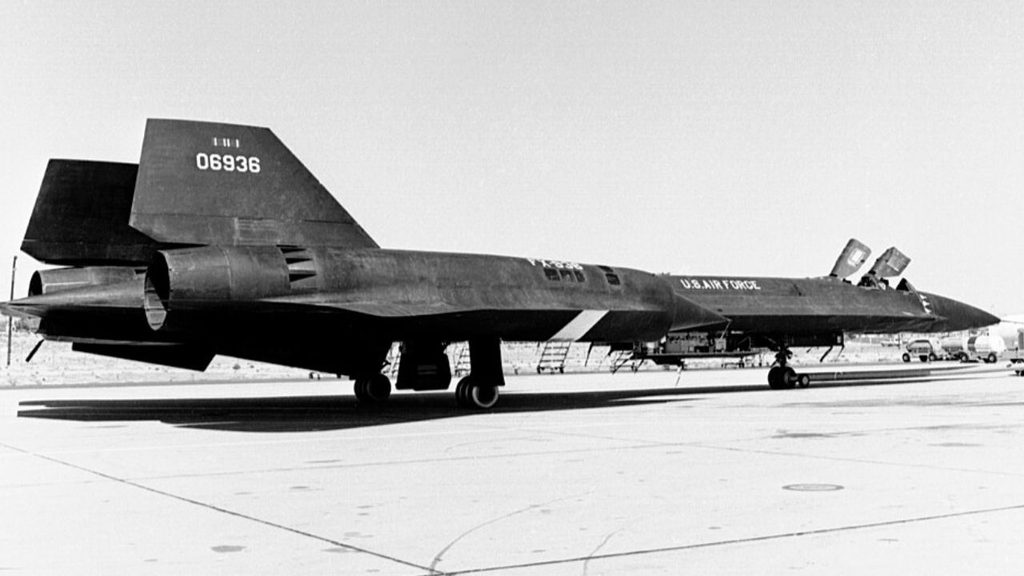
The Lockheed YF-12A was a Mach 3+ interceptor prototype that, according to the Air Force Life Cycle Management Center and the Air & Space Power Journal, never became operational as an Air Force interceptor despite extensive USAF/NASA flight testing. It stands out because it was not merely a proposal: it flew, it was tested, and it paired extreme speed with an interceptor concept built around advanced radar and missile integration.
The lesson is the gap between proving an aircraft in testing and committing to field it. In the YF-12A’s case, shifting priorities and funding prevented the program from turning a validated concept into an operational interceptor force structure.
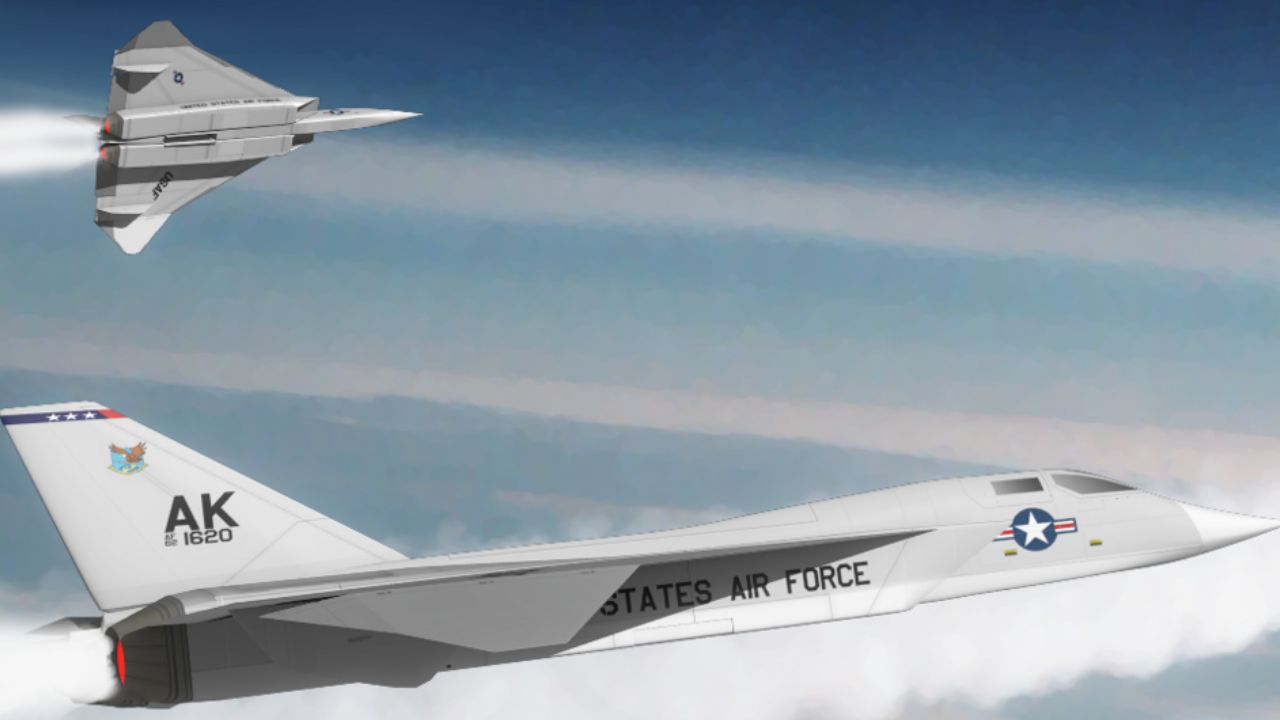
North American XF-108 Rapier (cancelled long-range interceptor program)
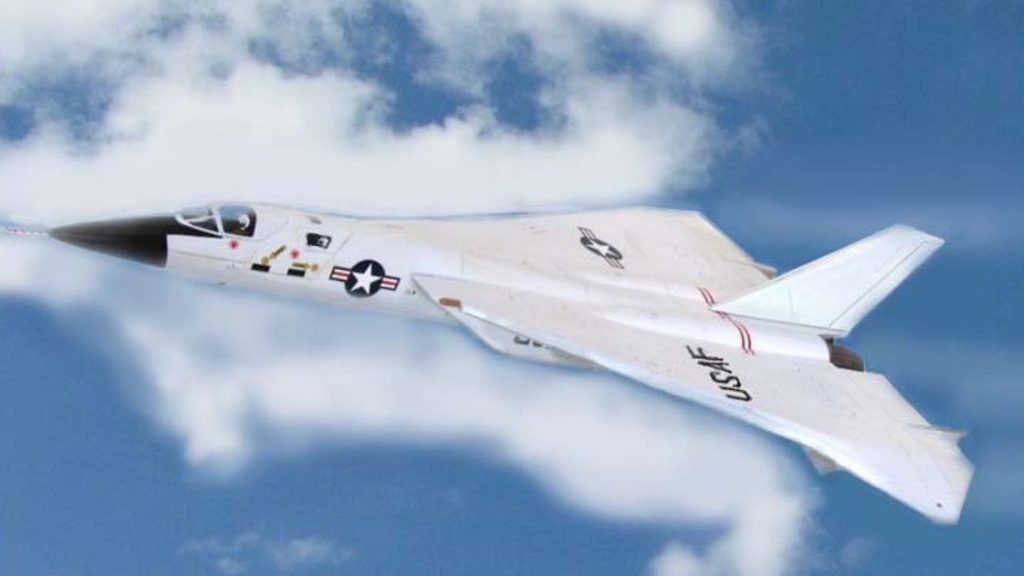
The North American XF-108 Rapier was conceived as a long-range, high-speed interceptor centered on a then-cutting-edge fire-control radar and long-range missile concept. Wikipedia and Defense Media Network describe it as cancelled before prototypes flew, despite substantial progress in its radar/missile concept. The aircraft itself never reached the point of flight testing, but the program progressed far enough to be remembered for the sophistication of its planned sensor-and-weapon approach.
Its enduring relevance is how quickly procurement reality can overtake technical ambition. As budgets and the strategic picture changed, the program was cut—illustrating how advanced subsystem work can outlive a cancelled airframe as a technological lineage, even when no operational interceptor arrives.
Republic XF-103 (turbo-ramjet ‘1954 interceptor’ project)
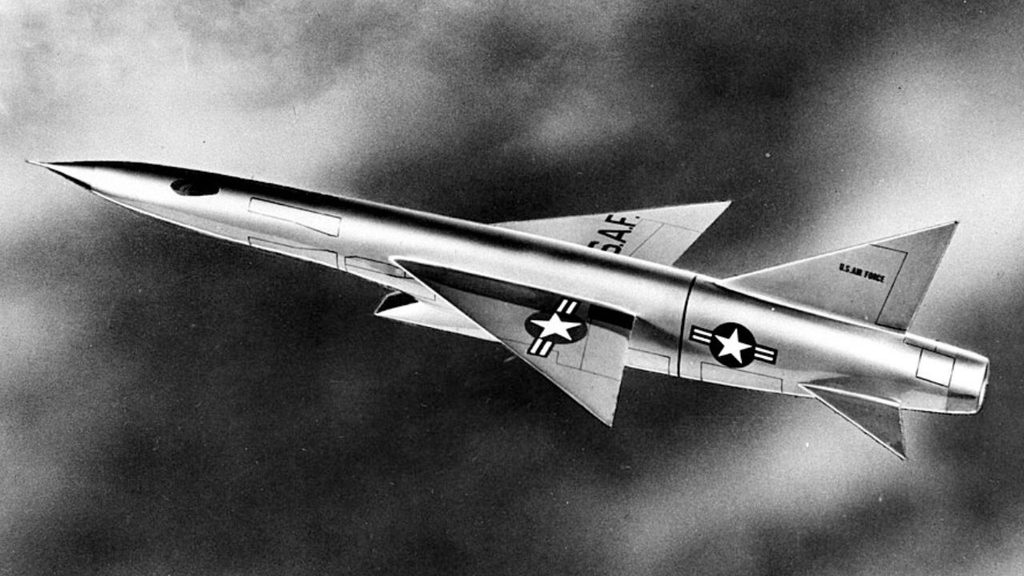
The Republic XF-103 was an attempt to meet very high-speed interception requirements with an unusually ambitious propulsion approach: a combined turbojet/ramjet concept. The U.S. Air Force “Flashback/Triplesonic Interceptors” PDF and NASA NTRS support the central point: it targeted Mach 3+ class performance but was cancelled before it became a flying prototype program. It reflects an early Cold War view that defeating bomber threats could hinge on extreme speed and climb performance.
The broader takeaway is how requirements can outrun what an era’s engines, materials, and integration can reliably deliver within an acquisition program. When the technical challenge is this tightly coupled to the concept, the project can remain compelling on paper yet never force answers to operational questions like maintainability, training, and deployable readiness—because it never reaches the stage where fielding is realistic.
Hawker Siddeley P.1154 (planned supersonic VTOL fighter)
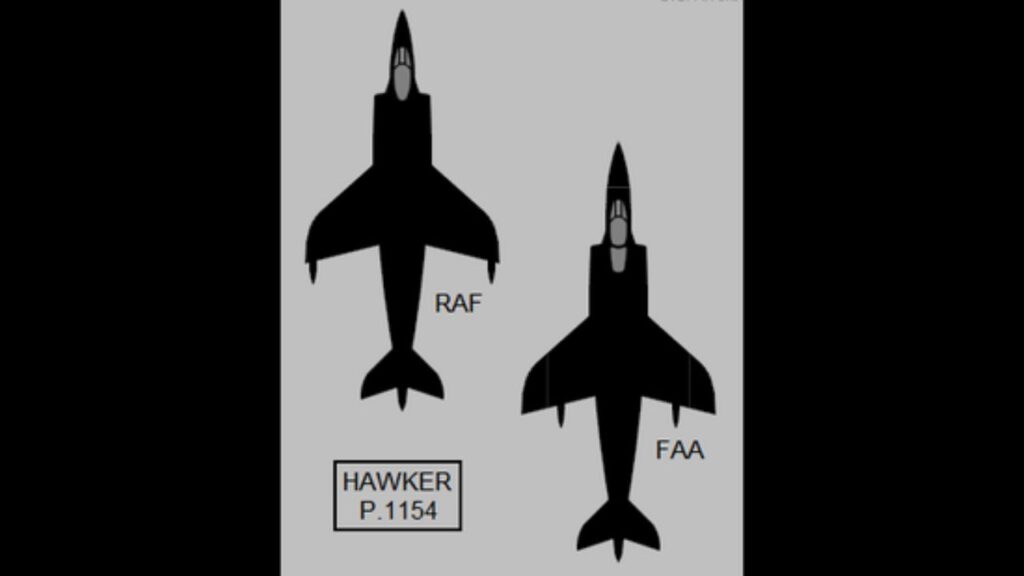

Britain’s Hawker Siddeley P.1154 aimed for a supersonic V/STOL “jump-jet” fighter—often described as a “supersonic Harrier decades early.” According to Wikipedia and UK Parliament Hansard, it was ultimately cancelled amid escalating costs and contested requirements. Here, “too advanced” is not only about technical difficulty; it is also about trying to hold a coherent program together while balancing engine, radar, and weight tradeoffs against the demands of multiple stakeholders.
The P.1154 highlights a recurring problem for V/STOL fighters: design constraints can squeeze the margins that matter for combat aircraft, and fractured requirements can turn a promising concept into an unaffordable compromise. In practice, instability in what the aircraft was expected to be made it harder to carry the program into operational service.
Dassault Mirage IIIV (experimental VTOL Mirage with lift jets)
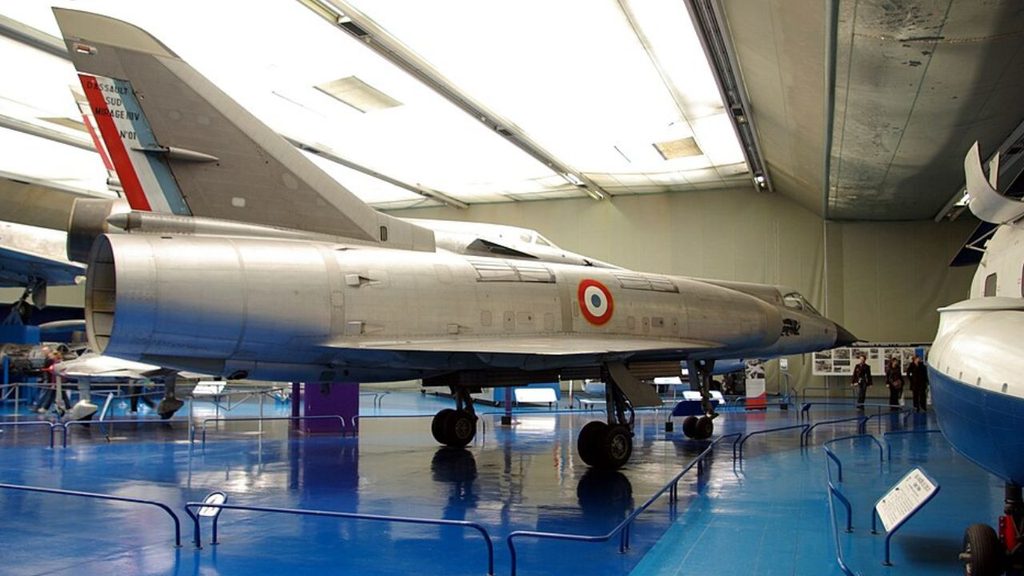
The Dassault Mirage IIIV was a VTOL offshoot of the Mirage family that used lift-jet concepts. Per Wikipedia, it was developed as a VTOL fighter prototype effort but did not become an operational aircraft. Its unusual “multi-engine VTOL Mirage” configuration keeps it prominent in popular retellings, but those accounts can overstate how close it was to service readiness; the documentation-tied conclusion is that it remained a prototype/testing program rather than a fielded capability.
Its significance lies in what the prototype effort demonstrated about lift-jet VTOL for fighters: the approach imposes major complexity and efficiency penalties, colliding with basic constraints like fuel fraction and overall combat usefulness. The Mirage IIIV is a reminder that technical novelty can be real and impressive without producing an operationally sensible aircraft.
Taken together, these programs show where the line is drawn between “advanced” and “operational.” Speed records, ambitious propulsion, or clever VTOL schemes can prove a point in testing or design studies, but operational service depends on something tougher: stable requirements, integration plans, and sustained funding that survive changing priorities. In each case, the engineering reached notable heights—yet the aircraft never made the transition into an operational fighter or interceptor program.