
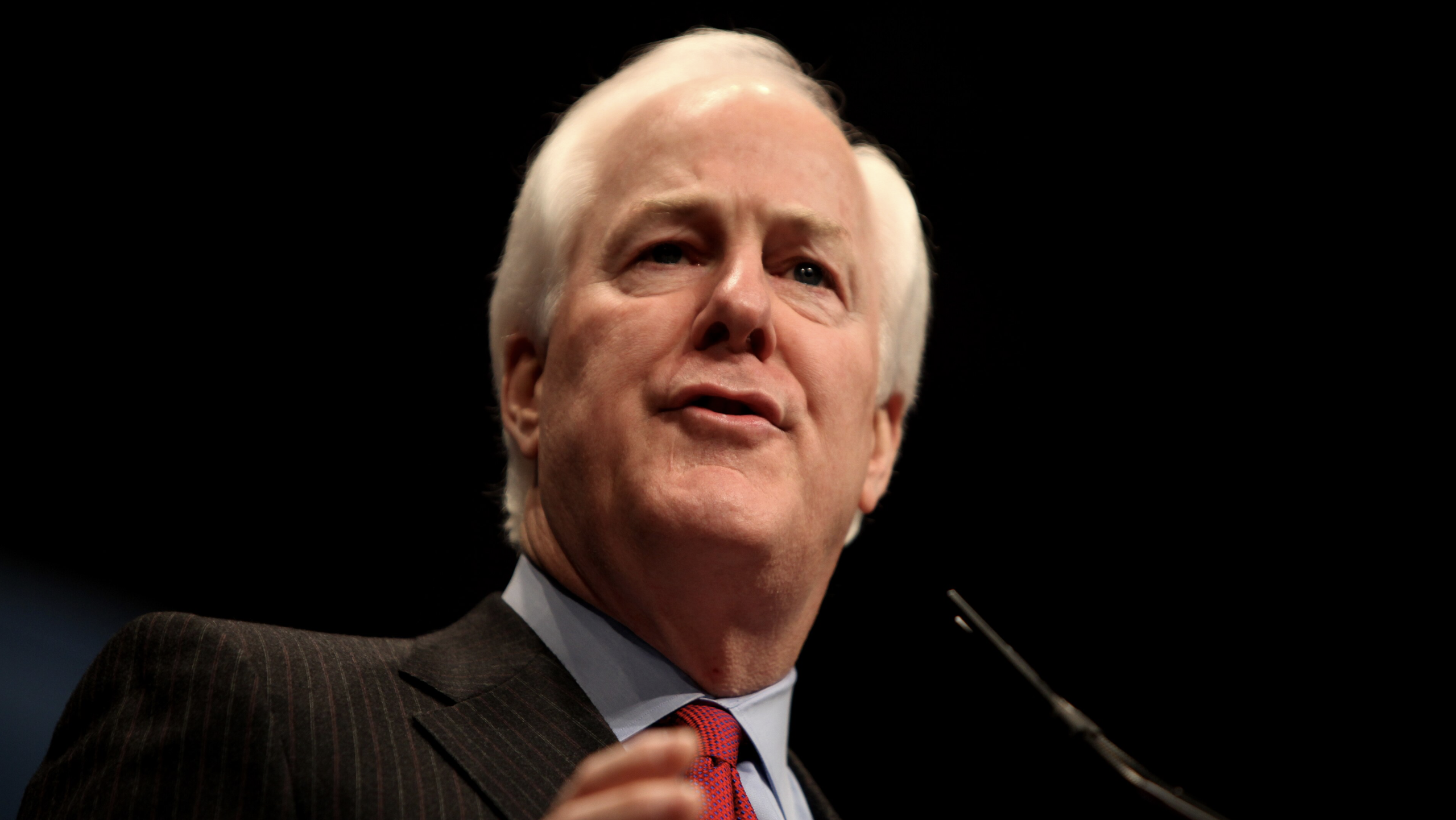
WASHINGTON, June 4, 2026 — Sen. John Cornyn, R-Texas, posted a map showing widespread U.S. ambassador vacancies across Africa, Latin America, and beyond Wednesday, responding with just two words — “Not good” — in a rare moment of bipartisan alignment with a Senate Democratic report warning that America’s diplomatic retreat is handing China a strategic opening.
“Not good,” Cornyn wrote on X, sharing a map from the Senate Foreign Relations Committee Democratic staff report titled “The Price of Retreat 2.0: Undermining America’s Economic Edge and Alliance Advantage”. The map showed countries where U.S. ambassador posts are vacant, with red markers across wide swaths of Africa and Latin America alongside China’s near-complete global diplomatic presence.
The Report’s Key Findings
The 56-page report, produced by Ranking Member Jeanne Shaheen, D-N.H., and Democratic members of the Senate Foreign Relations Committee, found that more than half of U.S. embassies overseas are currently without a Senate-confirmed ambassador — a vacancy rate that Democrats said leaves American interests unrepresented at critical diplomatic posts around the world.
By contrast, China has ambassadors at nearly every diplomatic outpost, fields the world’s largest diplomatic corps, and posted record investments in 2025 under its Belt and Road Initiative. “Beijing has moved aggressively to exploit America’s retreat,” the report states. While the U.S. has vacancies across Africa and Latin America, China has been expanding its diplomatic and economic presence in those same regions — filling the void left by American disengagement.
“This report makes clear that the consequences of the Trump Administration’s global retreat that we warned about last year are no longer theoretical — they are being felt by American families and businesses every day,” Shaheen said in a statement accompanying the report’s release.
Diplomatic Toolkit Dismantled
The report described a systematic weakening of America’s diplomatic infrastructure. In 2025, the Trump administration rescinded over $14 billion in foreign assistance funds. The State Department has undergone what Shaheen called “the most ambitious, comprehensive” reorganization in its history — which eliminated offices and cut staff. Positions tasked with preventing waste and fraud were dismantled. Under Secretary Rubio’s leadership, the report states, the U.S. “wasted, rather than saved, taxpayers’ dollars and permitted the expiration and destruction of lifesaving food and medical commodities.”
The administration has also withdrawn the United States from more than 60 international organizations since January 2025. China, meanwhile, has used that withdrawal to step into leadership roles — securing, for example, the role of host of the 2027 World Radio Conference, which will revise crucial international telecommunications guidelines.
Economic Costs at Home
The report linked America’s weakened diplomatic standing directly to economic consequences for American families. The administration’s fluctuating tariffs devastated small businesses, forcing layoffs of 120,000 workers in November 2025 — the largest monthly total in five years. Since the so-called “Liberation Day” tariffs, the American economy has lost a net 19,000 jobs, according to the report.
The administration’s decision to allow the sale of cutting-edge semiconductors to China will “undermine the United States’ long-term economic edge,” the report warned. Travel bans, visa policies, and cuts to science funding have driven top talent away from U.S. research programs and toward well-funded opportunities at universities outside the country. Chinese universities have now surpassed U.S. counterparts in scientific output, the report found.
Alliance Damage
The report documented specific alliance ruptures that Democrats said signal weakness to Beijing. Following the Greenland crisis, the majority of people in Denmark — once a strong U.S. ally — now consider the United States an adversary. Japan was “left to fend for itself” when it stood up for its security interests in the Taiwan Strait. Trump discussed U.S. arms sales to Taiwan with Xi Jinping — a move the report said violated American commitments to a democratic partner in place since the Reagan administration.
The report warned these collective actions signal weakness to Xi Jinping as he contemplates action against Taiwan that could cause a $10 trillion disruption in the global economy. “Instead of creating a united front against Beijing, we are forcing our closest friends to fend for themselves, or worse, work with our chief competitor,” the report states.
Cornyn’s Significance
Cornyn is the senior Republican senator from Texas and a member of the Senate Republican leadership — making his decision to share the Democratic committee’s map notable. His two-word response did not endorse the report’s broader conclusions or its criticism of Trump, but his amplification of the ambassador vacancy map — one of the report’s starkest visual representations of American diplomatic decline — signals bipartisan concern about the hollowing out of U.S. diplomatic capacity.
The report’s recommendations include legislation banning the sale of cutting-edge AI chips to foreign adversaries, passage of the bipartisan SECURE Minerals Act, codifying security guarantees for Ukraine, and requiring the administration to prioritize nominating qualified ambassadors for vacant posts without politicizing career diplomatic staff.