
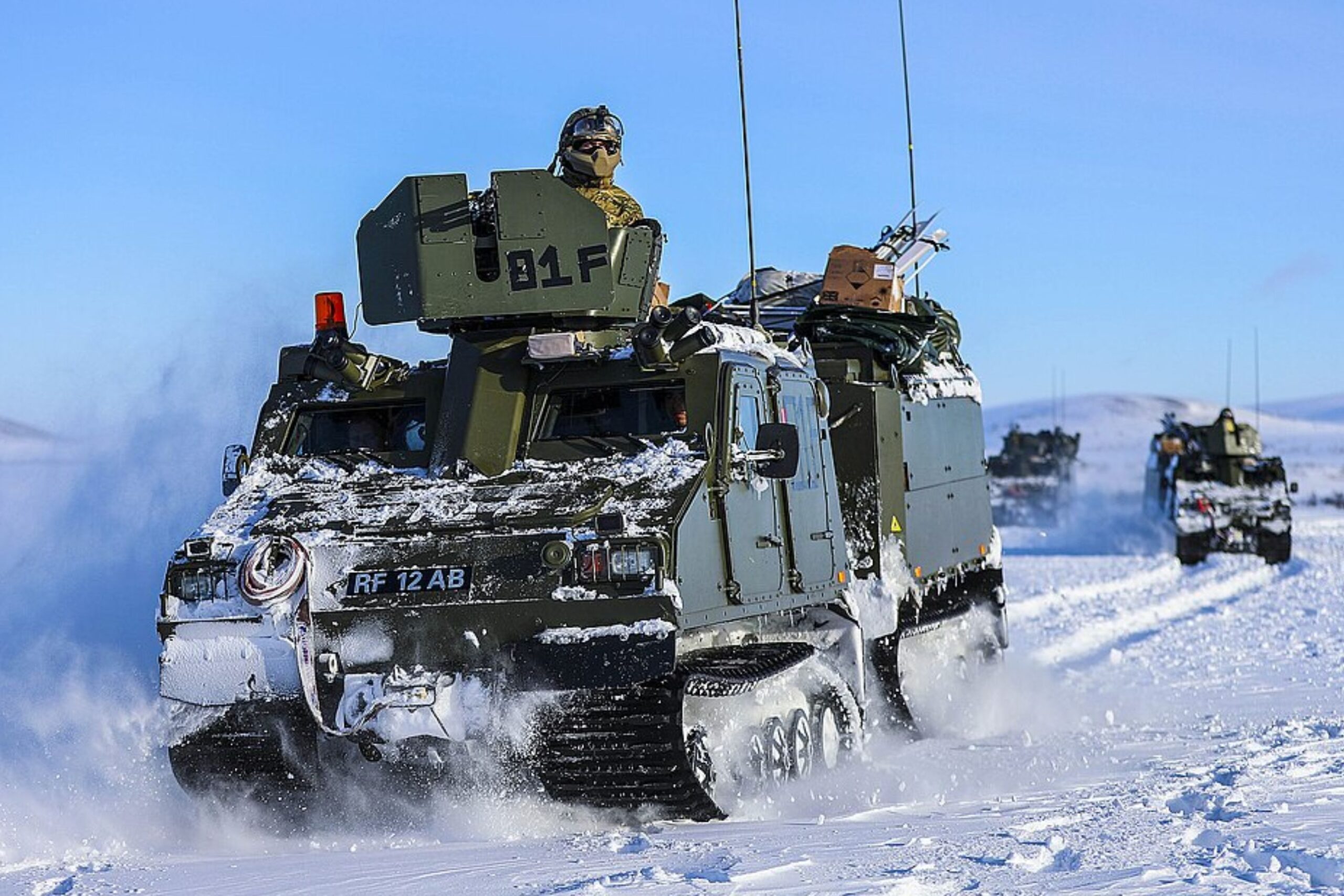
In the ever-evolving theater of warfare, weapons systems designed for extreme conditions and seemingly impossible missions have become essential. From the depths of the ocean to the vastness of space, these technologies ensure that military operations can be carried out under the most challenging circumstances. Here’s a look at seven such groundbreaking systems.
Hypersonic Glide Vehicles for High-Speed Strikes
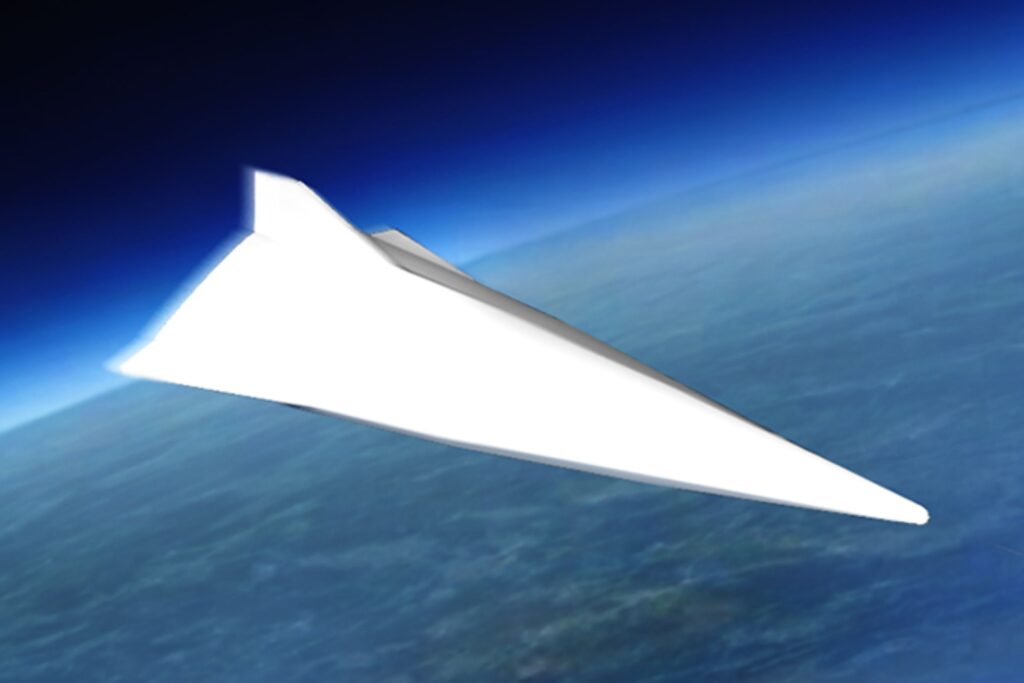
Hypersonic glide vehicles (HGVs) are revolutionizing modern warfare with their ability to travel at speeds exceeding Mach 5. The Chinese DF-ZF and the Russian Avangard are prime examples of this technology, capable of evading traditional missile defense systems due to their high speed and maneuverability. These vehicles glide through the upper atmosphere, maintaining a low-altitude trajectory that makes them difficult to detect and intercept.
Their high-speed capability allows for rapid response and precision strikes over long distances, making them a formidable tool in a nation’s arsenal. As countries race to develop and deploy these systems, HGVs are reshaping the strategic landscape, demanding new approaches to defense and deterrence.
Submersible Aircraft for Covert Underwater Operations
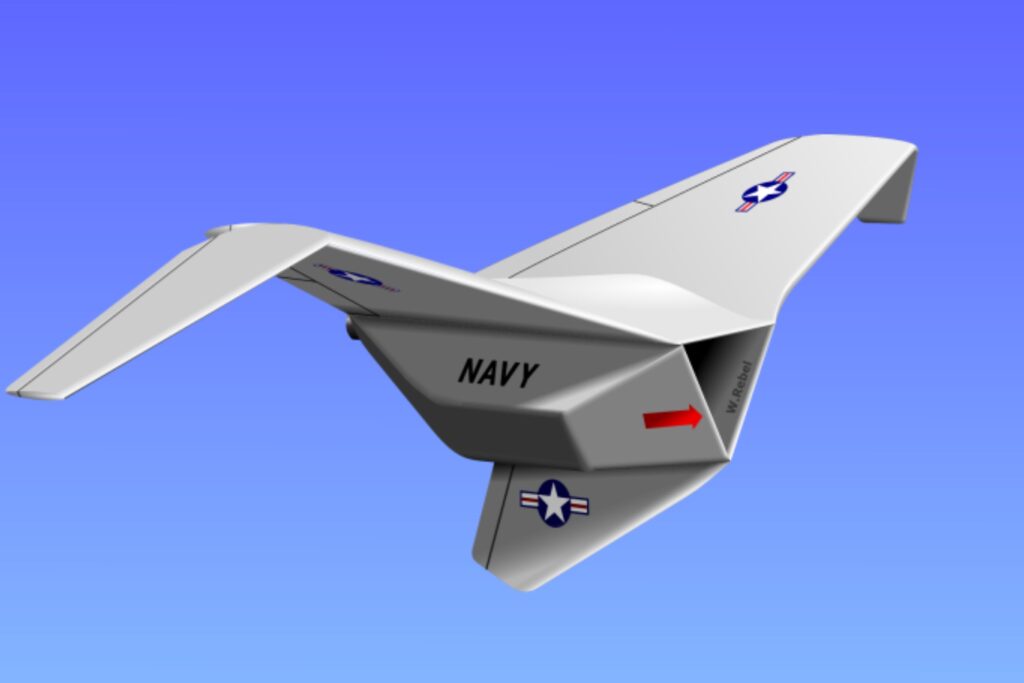
Submersible aircraft, such as the Lockheed Martin Cormorant, are designed to operate both in the air and underwater, offering unparalleled versatility for covert operations. These aircraft can be deployed from submarines, allowing for discreet insertion and extraction in hostile environments without detection.
By combining the capabilities of a submarine with those of an aircraft, submersible aircraft enable military forces to conduct reconnaissance, deliver payloads, and perform rescue missions in areas where traditional means would be impractical or impossible. This dual functionality expands operational possibilities and enhances strategic options in critical missions.
Laser Defense Systems for Space-Based Threats

As space becomes an increasingly contested domain, laser defense systems are emerging as crucial tools for countering space-based threats. Systems like the U.S. Air Force’s Self-Protect High Energy Laser Demonstrator (SHiELD) are designed to disable or destroy incoming missiles and other hostile objects.
These systems use concentrated beams of light to target threats with pinpoint accuracy, offering a non-kinetic means of defense that reduces collateral damage. By deploying laser systems on satellites and other space-based platforms, military forces can protect assets in orbit and ensure continued operational capabilities.
Amphibious Assault Vehicles for Arctic Warfare
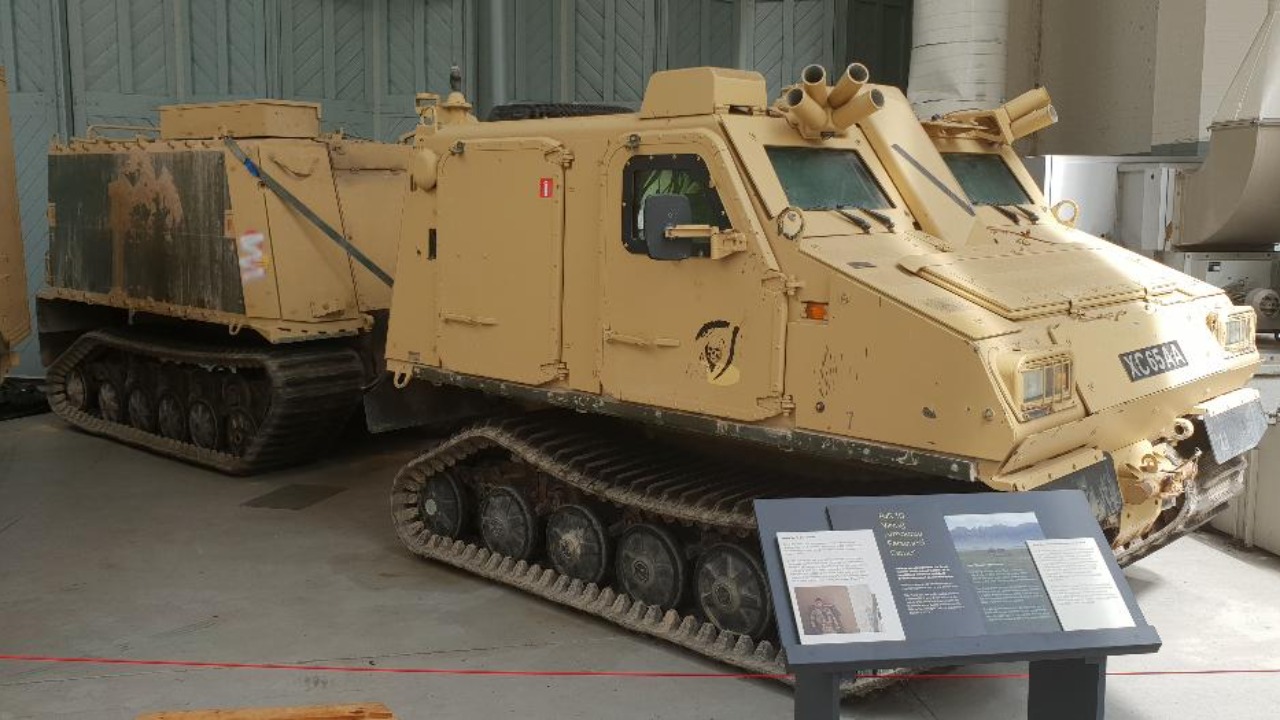
Amphibious assault vehicles, such as the BvS 10 Viking used by the British Royal Marines, are engineered for operations in the harsh conditions of the Arctic. These vehicles are equipped with tracks instead of wheels, allowing them to traverse snow, ice, and water with ease.
Their design ensures mobility and reliability in extreme cold, making them vital for missions in polar regions where conventional vehicles would struggle. With the Arctic becoming a focal point for geopolitical interests, these vehicles provide a strategic advantage in accessing and operating in these frozen terrains.
Autonomous Swarm Drones for Desert Surveillance
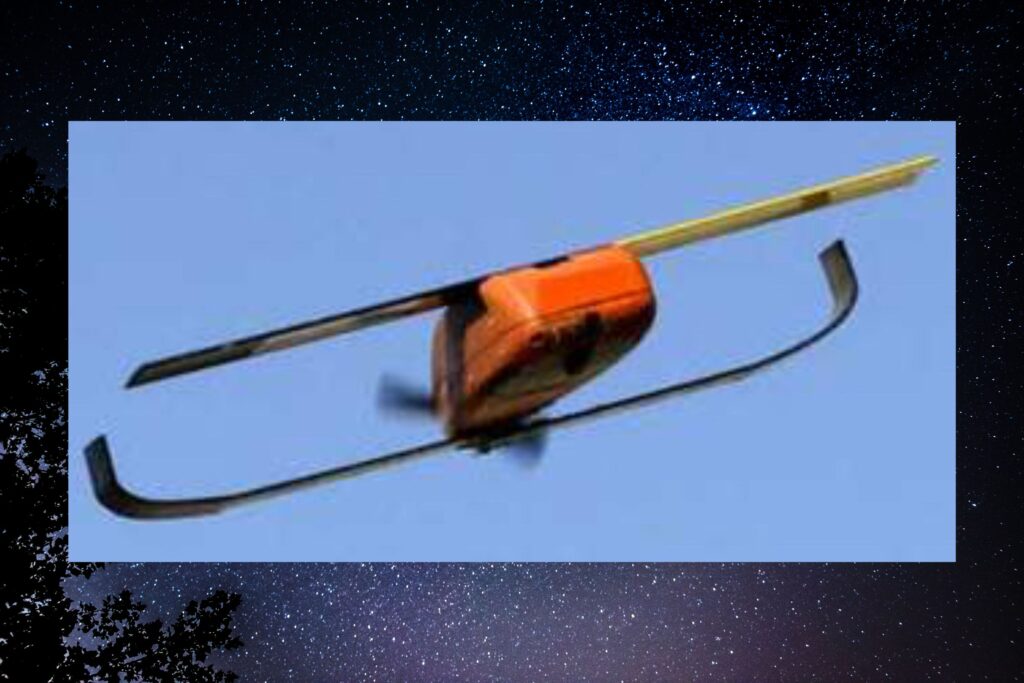
Autonomous swarm drones are revolutionizing surveillance and reconnaissance in desert environments, where traditional methods may be limited by terrain and climate. The Perdix drones, developed by the U.S. Department of Defense, exemplify this technology with their ability to operate in coordinated groups.
These drones work together to cover large areas rapidly, providing real-time data and situational awareness. Their autonomy allows them to adapt to dynamic conditions and complete missions without direct human control, making them a powerful tool for intelligence gathering and battlefield operations in vast, open spaces.
Exoskeleton Suits for Enhanced Soldier Mobility in Mountainous Terrain
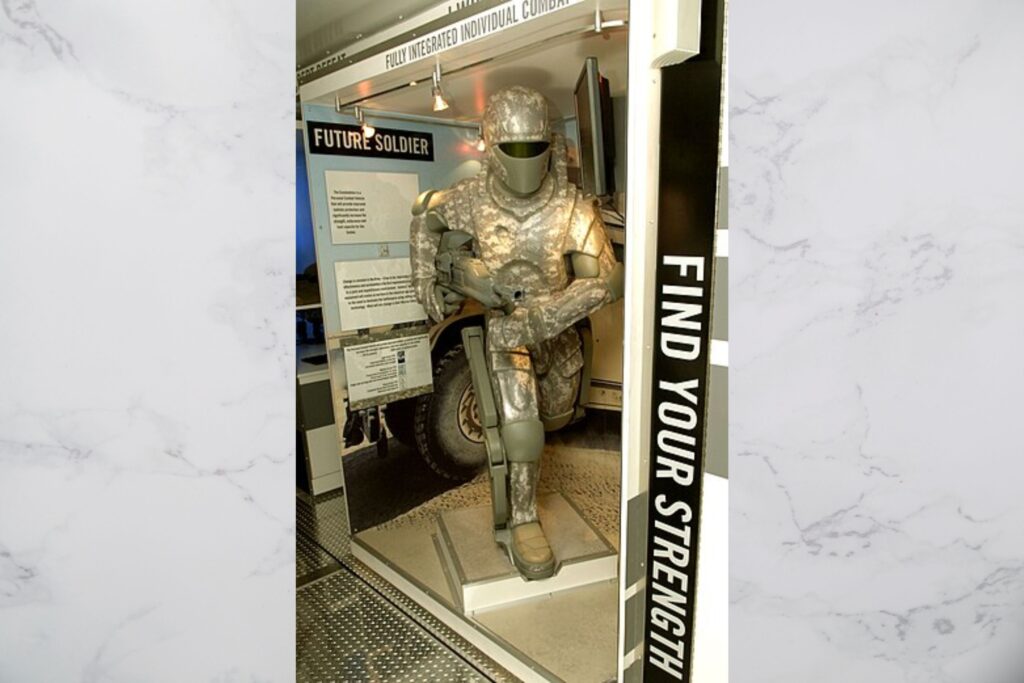
Exoskeleton suits, like the Lockheed Martin ONYX, offer enhanced mobility and strength for soldiers operating in mountainous terrain. These suits are designed to reduce fatigue and increase endurance, enabling troops to carry heavy loads over challenging landscapes.
By integrating advanced robotics and sensor technology, exoskeletons enhance the natural movements of soldiers, allowing them to maintain high levels of performance in demanding environments. This capability is crucial for maintaining operational effectiveness in regions where traditional means of transport and logistics are hindered by the terrain.
Electromagnetic Railguns for Precision Strikes in Adverse Weather Conditions
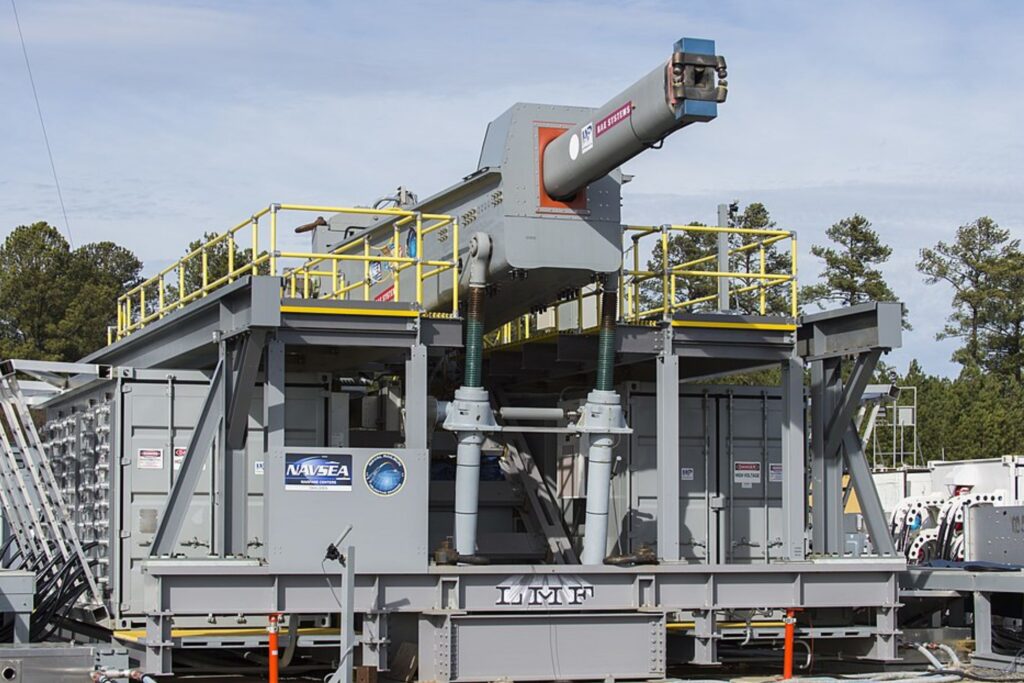
Electromagnetic railguns, such as those developed by the U.S. Navy, utilize electromagnetic forces to launch projectiles at high velocities, offering precision strikes regardless of adverse weather conditions. Unlike traditional artillery, railguns do not rely on explosive propellants, making them more efficient and safer to operate.
Their ability to deliver projectiles over long distances with pinpoint accuracy makes them ideal for operations where weather may obscure targets or inhibit conventional weaponry. As technology advances, railguns are poised to become a staple in modern arsenals, providing a reliable solution for precision strikes in challenging environments.