
Warships are designed to be tracked, logged, and accounted for—especially in wartime. Yet naval history includes cases that defy that expectation: ships that disappear without a confirmed wreck, losses whose details are disputed, or disasters that were muted by censorship. These stories endure not only as mysteries, but because each one shaped how navies investigate, communicate uncertainty, and—in some cases—change safety culture.
Below are seven disappearances and losses—some still unresolved, some clarified only decades later—where the unsettling element isn’t spectacle. It’s the limits of proof: missing evidence, conflicting accounts, contested technical explanations, or a ship that simply slips away when the tow line parts.
USS Cyclops (AC-4)
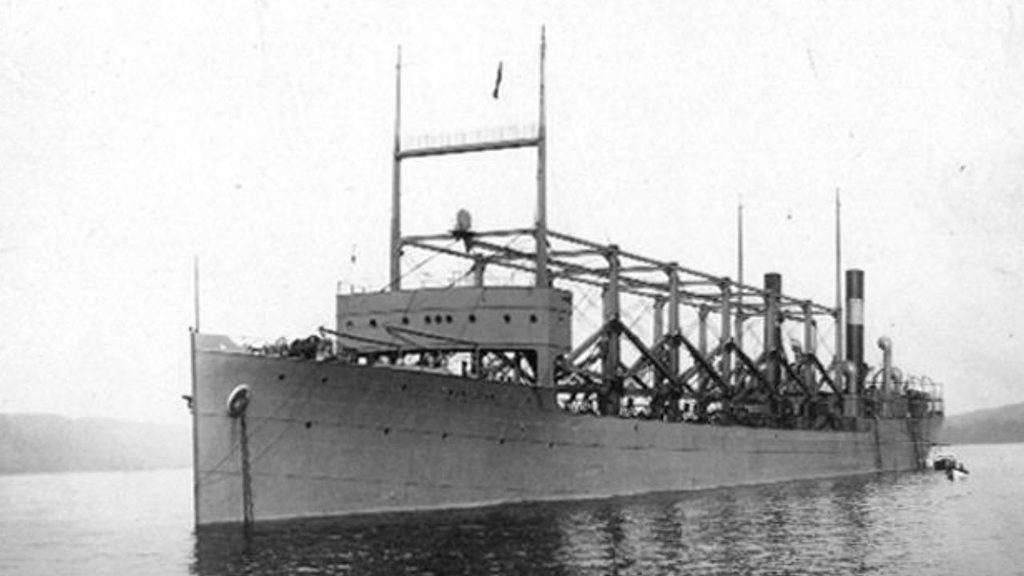
The U.S. collier USS Cyclops (AC-4) vanished in March 1918 while returning from Brazil, with all hands and no confirmed wreckage or cause. The Naval History and Heritage Command treats it as an enduring U.S. Navy “missing ship” case because the historical record does not resolve into a definitive explanation.
That matters precisely because the loss is so large and so incomplete. With no confirmed wreck to anchor conclusions, the case resists being cleanly categorized as storm, enemy action, or accident. Multiple theories circulate, but NHHC’s framing is a reminder to separate speculation from what can actually be supported.
HMAS Sydney (II)
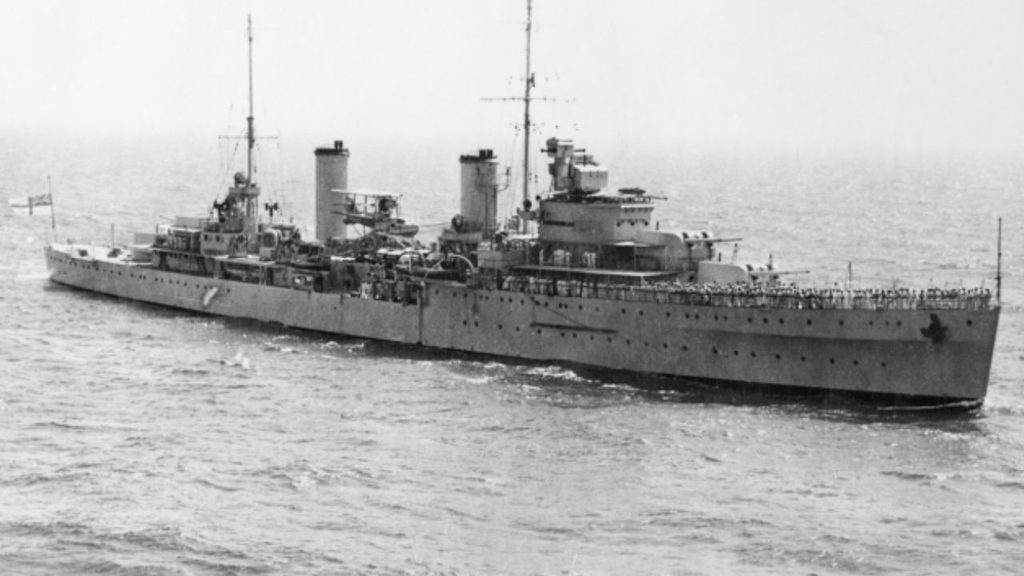
HMAS Sydney (II) disappeared after a 19 November 1941 battle with the German raider HSK Kormoran, with no survivors. For decades it remained Australia’s most famous naval mystery, and many reported “sightings” and theories proved wrong or unverified before the wreck was located in March 2008. The Australian War Memorial documents the loss and its long aftermath, and the Western Australian Museum corroborates the eventual discovery.
The long gap between loss and discovery created room for rumor to compete with evidence. The 2008 find did not change the outcome, but it did change the conversation: it shifted debate away from untestable claims and toward what could be examined on the seabed.
French submarine Surcouf
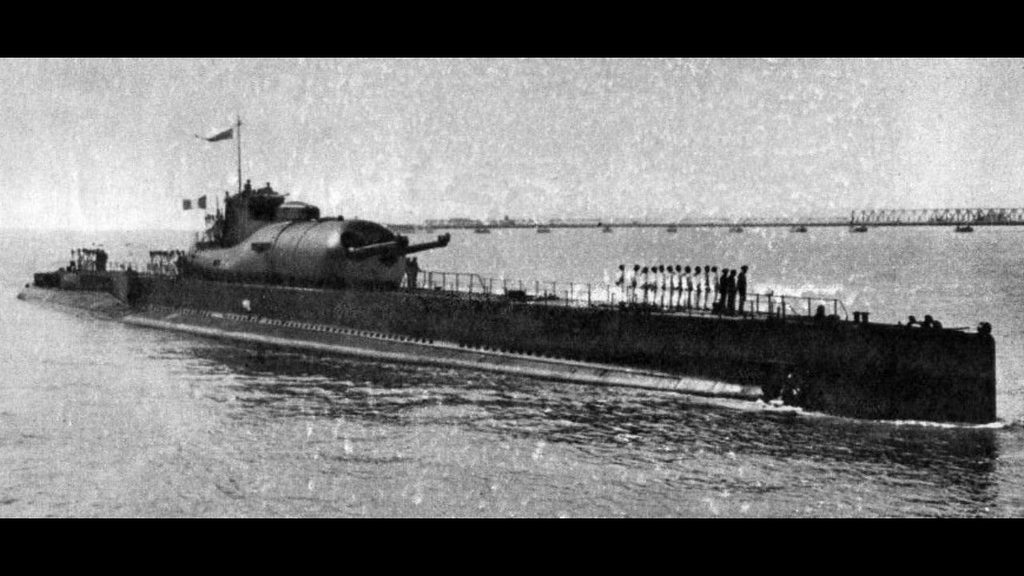
The French “cruiser submarine” Surcouf disappeared the night of 18/19 February 1942 in the Caribbean. Wikipedia’s summary reflects why the case persists: accounts often cite a possible collision, but the exact cause is not definitively established, and “collision” or “friendly fire” narratives should be treated as hypotheses rather than settled fact.
Because Surcouf was high-profile and strategically valuable, the absence of a conclusive explanation has had an outsized afterlife. The episode is a caution for retellings: plausible scenarios are not the same as proven ones, and ambiguity tends to harden into “certainty” if writers aren’t careful.
Brazilian battleship São Paulo
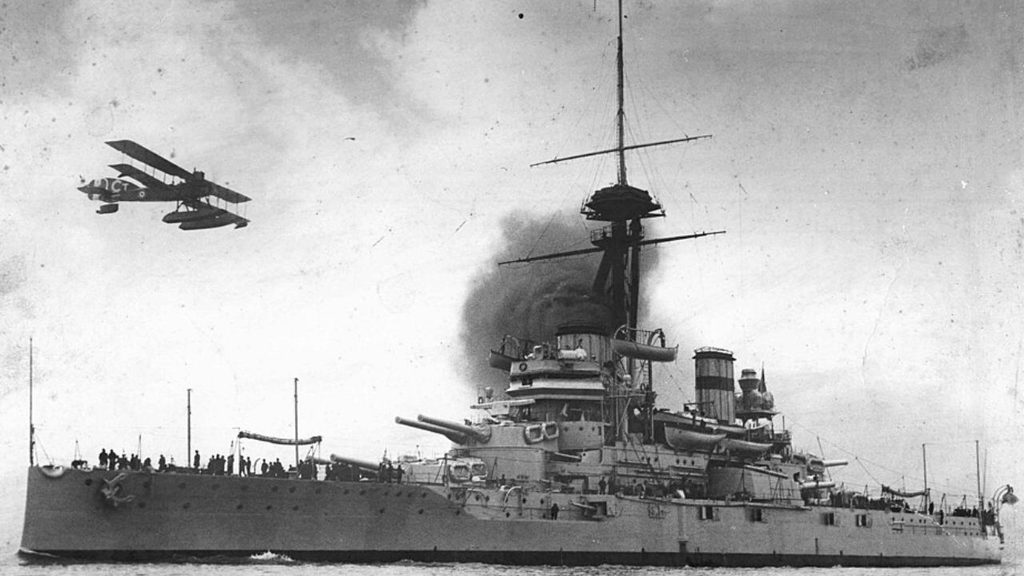
The Brazilian battleship São Paulo—a former dreadnought-era capital ship—was sold for scrap and being towed when she went missing and sank in November 1951 after the tow line parted. No one was aboard, but the ship effectively “vanished” into the Atlantic en route. Wikipedia’s account, drawing on references that include contemporary reporting such as The New York Times, presents the episode as a reconstruction that relies on drift and sighting reports rather than a closely observed sinking.
The hook is how ordinary the setup was: not combat, but a routine tow that ended with a battleship slipping out of control and out of sight. It’s also a reminder that some “vanishings” aren’t puzzles of enemy action—they are investigations constrained by the simplest evidence: a parted line and an empty ocean.
USS Scorpion (SSN-589)
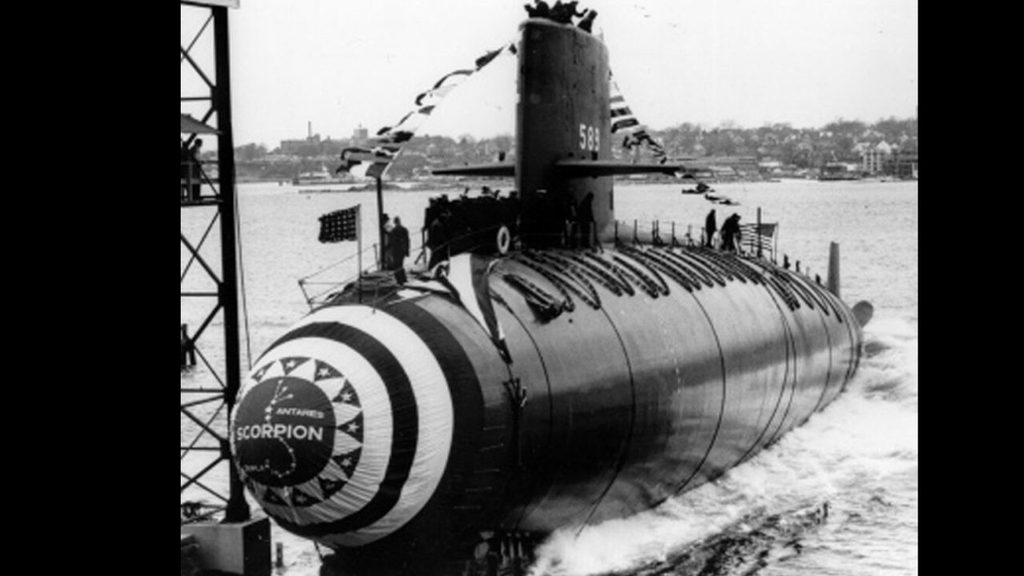
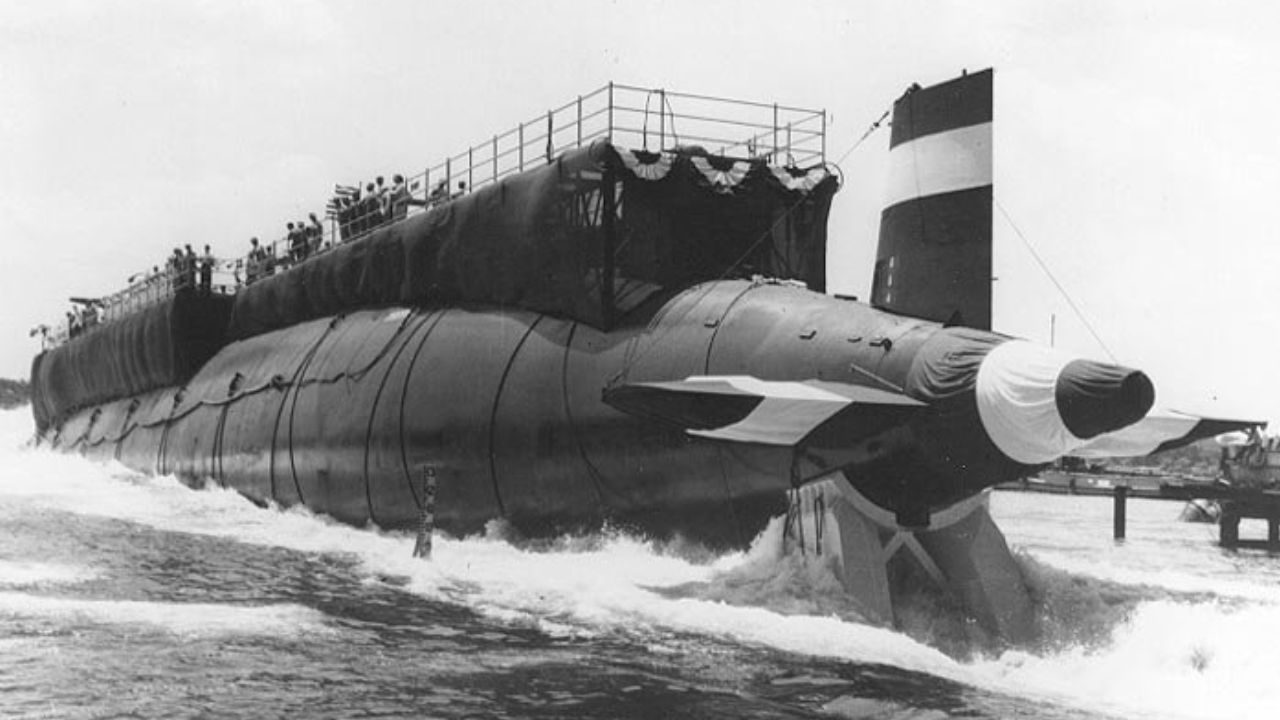
USS Scorpion (SSN-589), a U.S. nuclear attack submarine, was lost with all 99 crew on 22 May 1968. A U.S. Naval Institute (Naval History) account emphasizes the central point that has kept the story contested: official findings have long held the cause cannot be ascertained from available evidence, even as competing technical theories persist in public discussion. Basic facts are widely corroborated, but the core issue is the Navy’s stated uncertainty.
That uncertainty has consequences. When an official record cannot name a cause, the vacuum invites overconfident narratives that outrun what the evidence can support. The result is a case that remains both a tragedy and an enduring lesson in how difficult it can be to separate likely explanations from demonstrable ones.
USS Thresher (SSN-593)
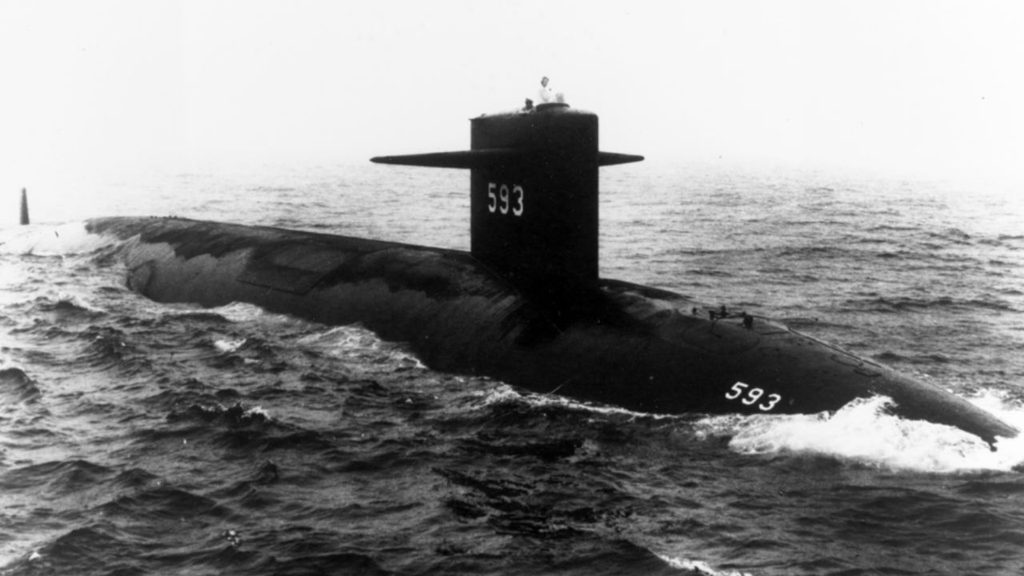
USS Thresher (SSN-593) sank during deep-diving tests in April 1963, becoming the first lost U.S. nuclear submarine. NAVSEA highlights the enduring impact: the loss directly drove major safety reforms through SUBSAFE, reshaping submarine engineering and quality assurance.
The lasting significance is less about a neat, single-sentence explanation of what failed first and more about what changed afterward. NAVSEA’s treatment underscores why summaries of a specific failure sequence should not be presented as more certain than the Navy states. What is clear from the record is the institutional outcome: SUBSAFE became a defining legacy of the loss.
HMS Dasher (D37)
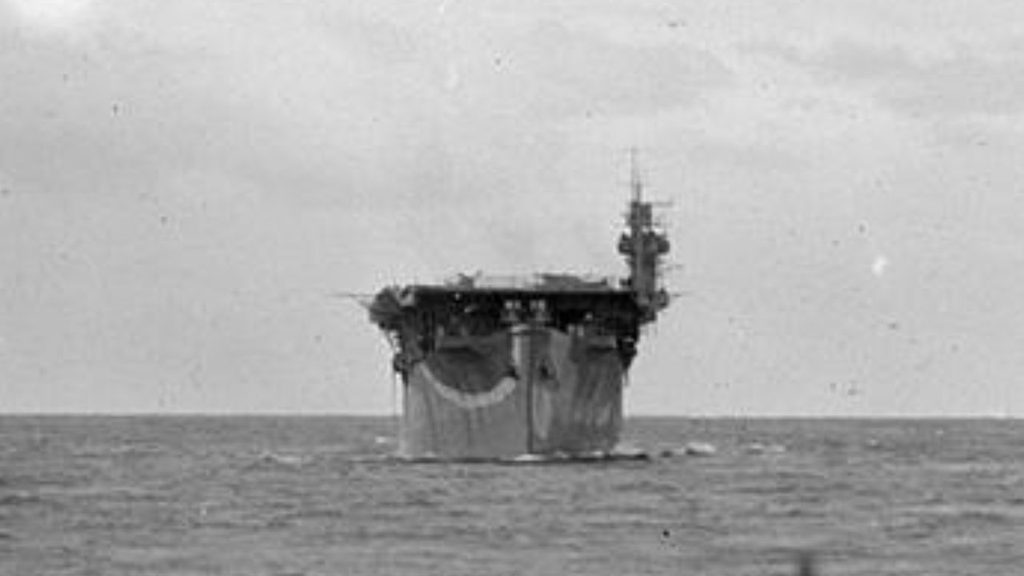
HMS Dasher (D37), an escort carrier, was lost after a sudden internal explosion and sinking in the Firth of Clyde on 27 March 1943. The Scottish Maritime Museum notes that wartime secrecy and censorship followed—an important reason the disaster can feel absent from broader public memory despite occurring close to shore.
That imposed quiet matters because it affects what survives in the public record. The museum also cautions that casualty figures and the exact technical cause vary by account, which is an editorial warning against treating any single number or mechanism as definitive when documentation is uneven. In this case, the historical “mystery” is partly about information itself: what was recorded, what was restricted, and what later generations were left to reconstruct.