
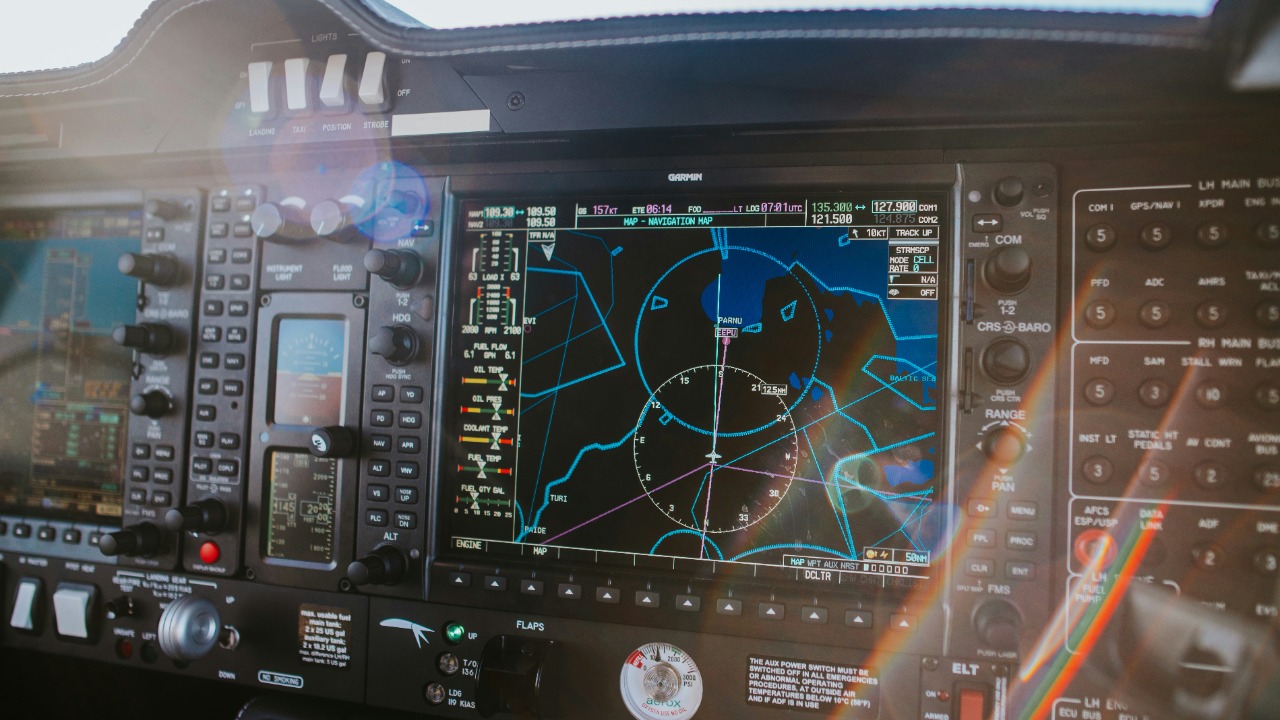
Modern airline travel looks like a triumph of civilian engineering and regulation—and it is. Still, much of the “invisible infrastructure” that makes commercial flying efficient, predictable, and safe was first developed for military aviation or pushed forward by defense budgets and operational urgency, then later adapted for airline use through certification, redundancy requirements, and human-factors work. The story isn’t a single fighter jet directly “becoming” a specific airliner feature; it’s an R&D pipeline—USAF and US Navy labs, NATO partners, DARPA where relevant, and later NASA and industry—that repeatedly advanced core technologies far enough for commercial aviation to refine and deploy at scale.
This matters beyond trivia. Defense-to-civil spillover is one way aerospace investment can produce broad dividends, from fuel efficiency and dispatch reliability to accident prevention. It also comes with constraints: export controls (including ITAR) and fragile supply chains can shape what operators can buy, repair, and upgrade—sometimes long after the original military work is complete.
1) Jet engines and turbofans: from performance demands to everyday efficiency
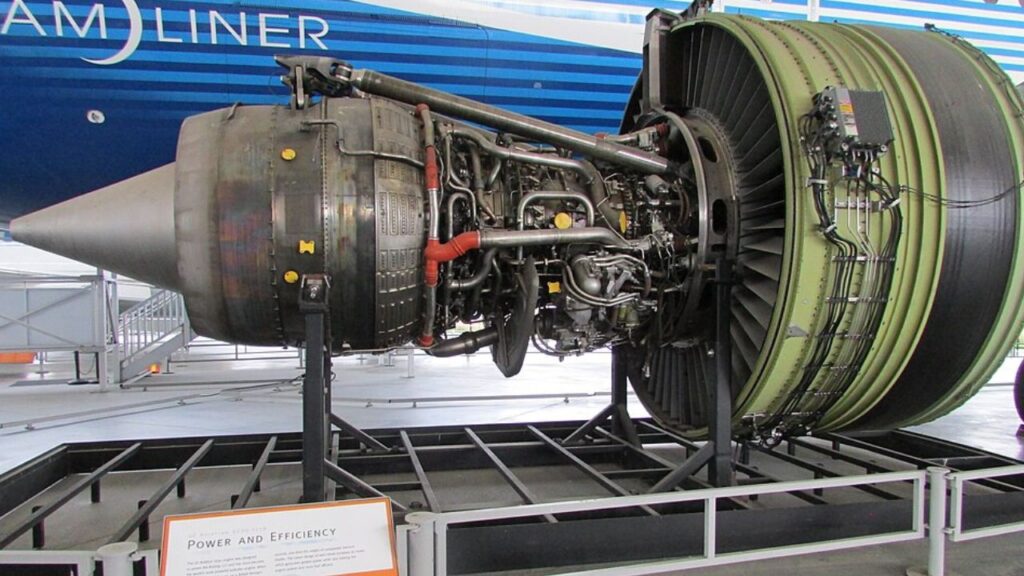
Few shifts were as foundational as the move from piston engines to jets, and then from early turbojets to high-bypass turbofans. Military aviation’s demand for thrust, altitude performance, and reliability helped accelerate engine development, creating knowledge and manufacturing capability that later benefited commercial programs. Engine makers such as Pratt & Whitney, GE, and Rolls-Royce sit at the center of this dual-use ecosystem, with military and civil efforts often advancing core materials, cooling approaches, and manufacturing methods—even when the final engine designs differ.
For airlines, the practical impact is clear: better fuel burn per seat, longer time on wing, and more predictable maintenance planning. Those outcomes tie directly to operating cost and fleet availability, and they also reveal how long-lead industrial capacity in propulsion can affect both commercial and defense aviation.
2) Pressurization and environmental control: making high altitude routine

High-altitude flight only became routine for passengers when pressurization and environmental control systems (ECS) became reliable enough for continuous service. Military operations pushed aircraft higher for performance and mission needs, helping drive development and test discipline that commercial aviation later adapted. Airlines didn’t simply copy military systems; they reworked them into maintainable, inspectable architectures designed for frequent cycles, long service lives, and passenger comfort.
Because pressurization and ECS are now taken for granted, their operational value is easy to miss: higher cruising altitudes, improved ride quality above much of the weather, and longer-range route planning without the penalties of low-altitude flight. When ECS components become a weak link—whether due to reliability or supply constraints—the effect shows up as delayed departures and out-of-service aircraft.
3) Radar to weather radar: the quiet backbone of all-weather operations
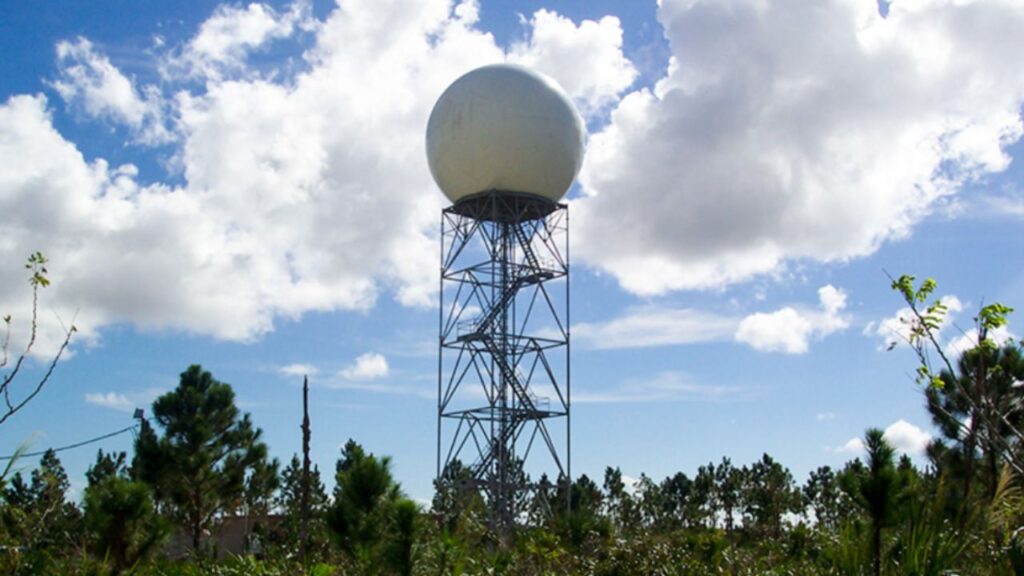
Radar’s military origins are widely recognized. In everyday airline operations, the more direct legacy is airborne weather radar that helps crews detect and avoid convective hazards earlier and with better context. Military R&D and avionics integration practices helped advance radar performance, packaging, and cockpit integration, while commercial deployment required civil certification, training standards, and procedures designed around airline operations.
That combination supports safer, smoother routing decisions and reduces the likelihood of surprise encounters with severe weather. It also strengthens network resilience: the more consistently aircraft can operate within safe limits across varied conditions, the less brittle schedules become during widespread weather disruptions.
4) Inertial navigation (INS) to modern flight management: precision without ground aids
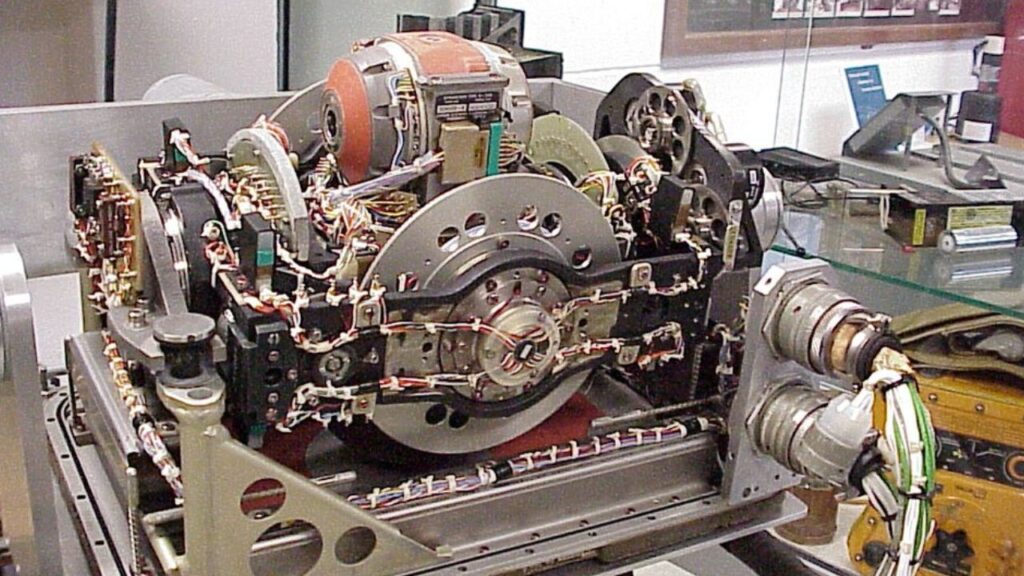
Before satellite navigation, inertial navigation systems enabled aircraft to determine position without external signals—an obvious requirement for many military missions. Over time, INS concepts helped shape the modern flight-management approach used by commercial crews: computed position, stable guidance, and precise routing across oceans and remote regions. In airline service, these capabilities were integrated through flight management systems (FMS) and standardized procedures, with reliability expectations that go well beyond early prototypes.
For operators, the benefit is not just convenience. Accurate navigation supports efficient long-range tracks, better fuel planning, and more predictable arrival flows, helping reduce cost and congestion. It also illustrates a recurring theme: military-driven concepts often need years of civil refinement before they become everyday airline tools.
5) GPS: DoD-origin positioning becomes a civil cornerstone

GPS is a clear example where origin and airline adoption followed different paths: it is DoD-origin, while airline integration and the regulatory ecosystem around it are largely civil-led. GPS reshaped how aircraft navigate, sequence arrivals, and fly repeatable paths, but it took extensive work to make satellite-based navigation robust, monitorable, and compatible with aviation’s safety requirements. In practice, GPS is now embedded in day-to-day operations, supported by procedures and cross-checks that reflect the industry’s intolerance for single points of failure.
As GPS became essential infrastructure, it also elevated resilience questions—backup options, interference, and operational continuity—from niche engineering concerns to broader transportation risk management.
6) Fly-by-wire: digital control, built for redundancy and crew usability
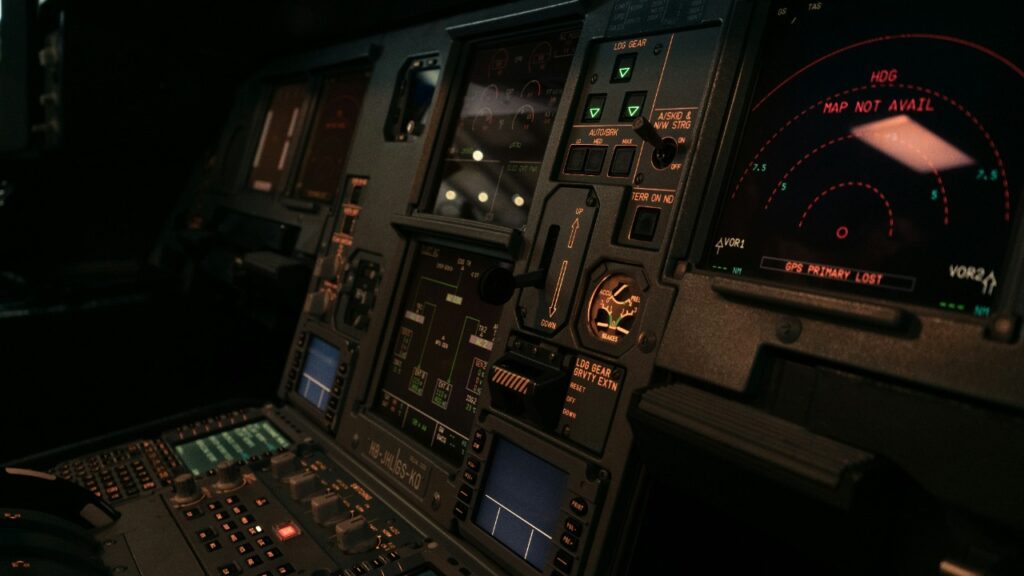
Fly-by-wire—replacing direct mechanical linkages with electronic signaling—was advanced by military needs for control authority, weight reduction, and stability augmentation. NASA is often part of the civil-side test and transfer pathway, underscoring how multiple institutions contributed to making the technology suitable for airline operations. In commercial service, fly-by-wire is less about “the computer flying” and more about consistent handling, well-defined protections, and architectures built around redundancy, failure modes, and maintainability.
The payoff is both operational and economic: lighter systems, predictable performance, and maintenance practices that can be standardized across fleets. At the same time, fly-by-wire increases the importance of software assurance, configuration control, and avionics supply continuity—issues that affect both defense readiness and airline dispatch reliability.
7) De-icing and anti-icing: expanding safe operating windows in winter weather
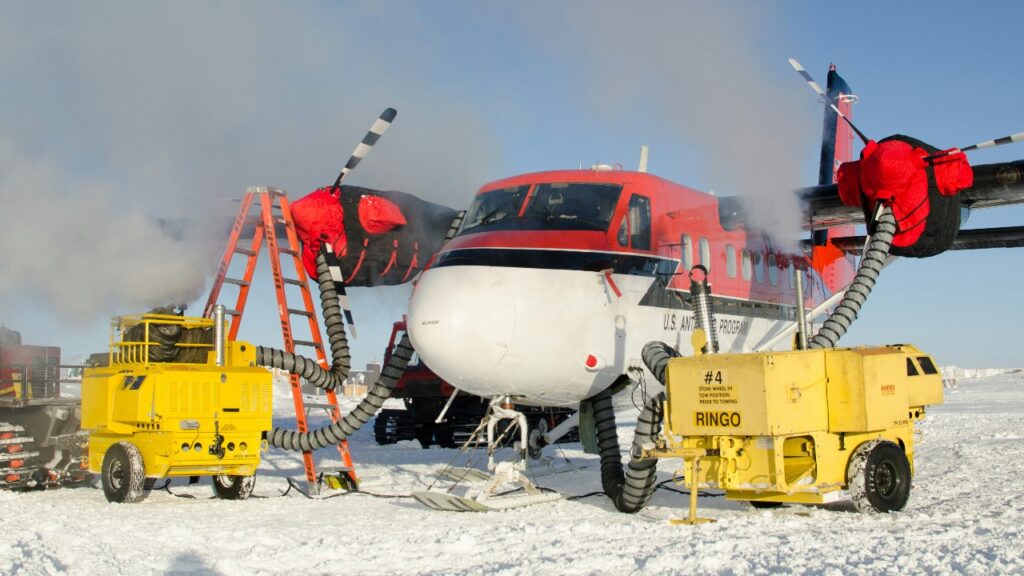
Cold-weather operations were never optional for many military organizations, sustaining long-running development of de-icing and anti-icing approaches across airframes and engines. Commercial aviation adopted and refined these technologies for day-to-day winter flying, pairing hardware capability with strict operational procedures and certification-defined performance expectations.
The result is greater operational flexibility in cold climates, though the systems remain maintenance-intensive and procedurally unforgiving. They also bring continuing logistics requirements—specialized parts, inspection regimes, and consumables—that can quickly affect fleet availability when supply lines tighten.
8) Composite materials: efficiency gains with new manufacturing and sustainment demands
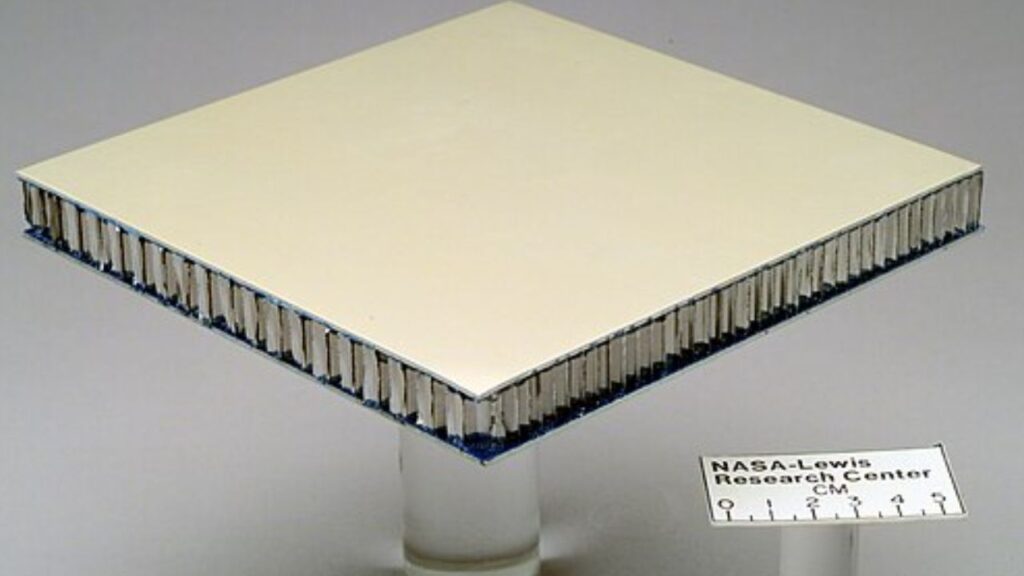
Composite materials are a mixed-origin story. Military programs helped accelerate their use because weight savings and structural shaping can deliver major performance benefits, while civil aviation later scaled composites for efficiency and corrosion resistance. Companies with both defense and civil portfolios—such as Boeing, Lockheed, Northrop, BAE Systems, and Airbus—operate in an industrial landscape where material science, tooling, and manufacturing practices can cross-pollinate without implying a direct one-to-one aircraft lineage.
Commercial adoption required repeatable manufacturing, inspectability, and globally practical repair standards. Composites can reduce fuel burn and change long-term durability profiles, but they also shift sustainment realities: airlines need trained technicians, approved repair methods, and dependable access to materials and processes.
9) GPWS and TAWS: layered warning systems as standard safety nets
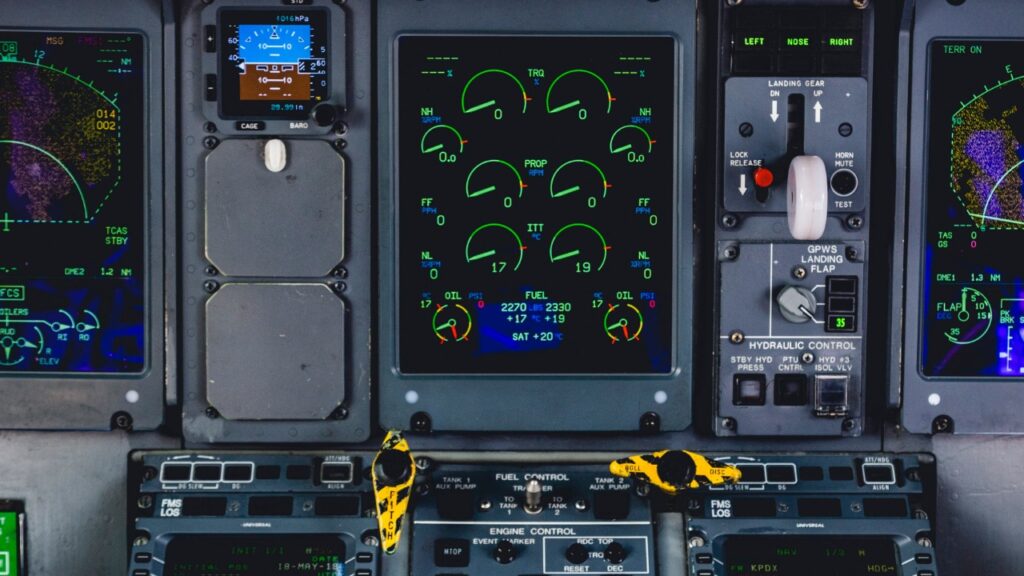
Terrain warning systems show how avionics and safety engineering matured into widely deployed civil protections. Ground Proximity Warning Systems (GPWS) and later Terrain Awareness and Warning Systems (TAWS) reflect a broader industry move toward layered defenses: sensors, logic, and unmistakable cockpit alerts intended to help prevent controlled flight into terrain. While specific origin stories can be nuanced, commercial implementation is closely tied to standards and oversight, including the wider ecosystem of regulators and investigation bodies that turn lessons learned into requirements.
The impact is measured in accidents avoided. These systems also demonstrate why military-to-civil transfer is rarely immediate: alert logic must be tuned for airline procedures, acceptable nuisance-alert rates, and a wide range of operational environments.
10) Reliability engineering, standardized checklists, and maintenance culture: the “unsexy” breakthrough

Not every breakthrough is a piece of hardware. Military aviation’s scale, operational tempo, and risk management helped institutionalize reliability engineering, disciplined maintenance practices, and standardized checklists—habits that airlines later expanded into high-utilization, high-safety operations. Over time, these practices became embedded in training pipelines, maintenance programs, and the procedural norms of airline cockpits and hangars.
This is where cost, readiness, and safety converge. Strong reliability practices reduce unscheduled maintenance and improve aircraft availability—experienced commercially as on-time performance and operational resilience. Technology changes quickly; disciplined engineering and procedural compliance remain enduring advantages.
What changes next: spillover in a tighter geopolitical and supply-chain environment
The next chapter of dual-use aviation innovation may be shaped as much by policy and industrial capacity as by aerodynamics or computing. Export controls and ITAR, supplier fragility, and long lead times for engines, avionics, and specialty materials can slow how quickly airlines adopt capabilities that begin in defense programs—or complicate how global fleets sustain them. Meanwhile, civil certification will continue to act as a forcing function, turning promising ideas into airline-grade systems only after redundancy, failure-mode analysis, training standards, and maintainability are fully built out.
The takeaway is straightforward: many of the most important advances in commercial flying are the ones passengers never notice. The military did not “invent” everything, and civil aviation deserves credit for the hard work of refinement and certification. But the pattern persists—defense R&D helps push the frontier, and years later the public benefits from safer, more efficient, more reliable air travel built on that upstream momentum.