
Space exploration has always captivated human imagination, and historic space missions have continually pushed the boundaries of what is possible. From the early days of satellite launches to the advent of commercial spaceflight, these missions have proven the incredible capabilities of rockets. Here, I delve into ten of the most historic space missions that demonstrated the power and potential of rocketry.
Sputnik 1: The Dawn of the Space Age
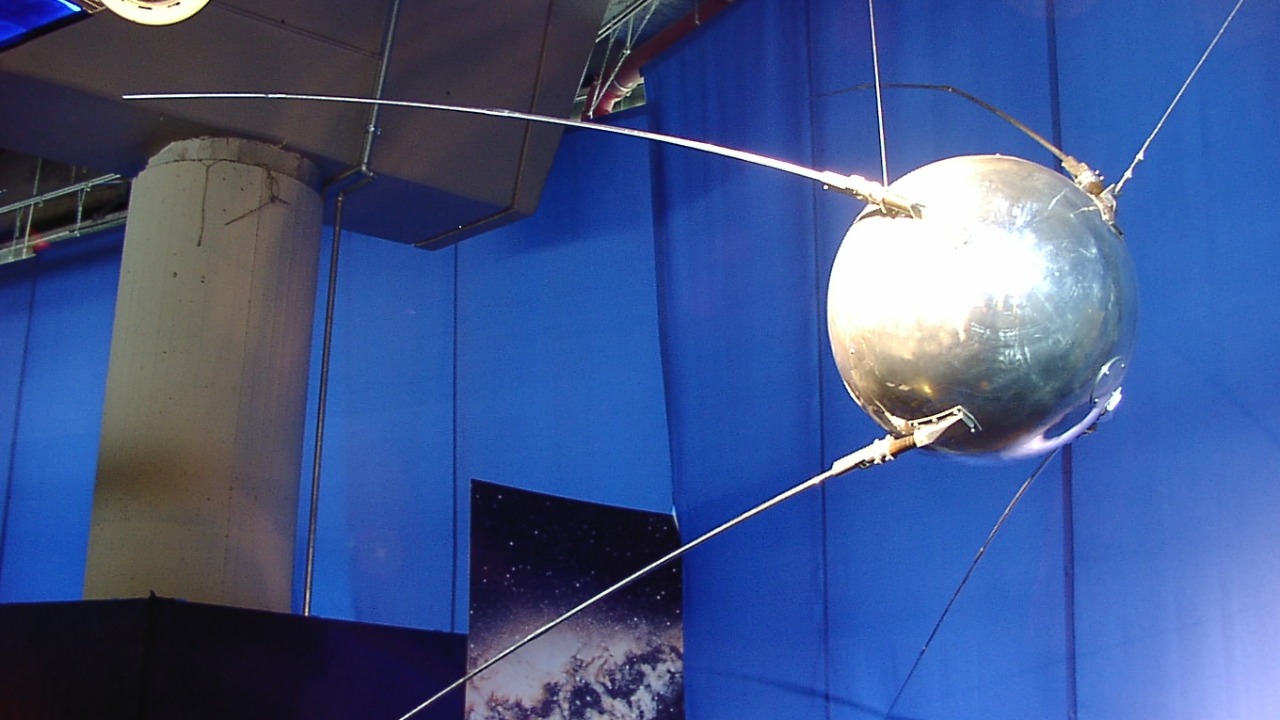
Launched by the Soviet Union on October 4, 1957, Sputnik 1 marked the beginning of the space age. As the first artificial satellite to orbit the Earth, it sent shockwaves around the world, leading to the space race between the United States and the Soviet Union. Sputnik 1 demonstrated that rockets could carry payloads into orbit, a feat that was previously thought to be the realm of science fiction.
The satellite itself was a simple, spherical design, but its impact was profound. Weighing just 83.6 kg, Sputnik 1’s successful launch proved that humans could reach beyond the confines of our planet, inspiring generations of engineers, scientists, and dreamers to reach for the stars.
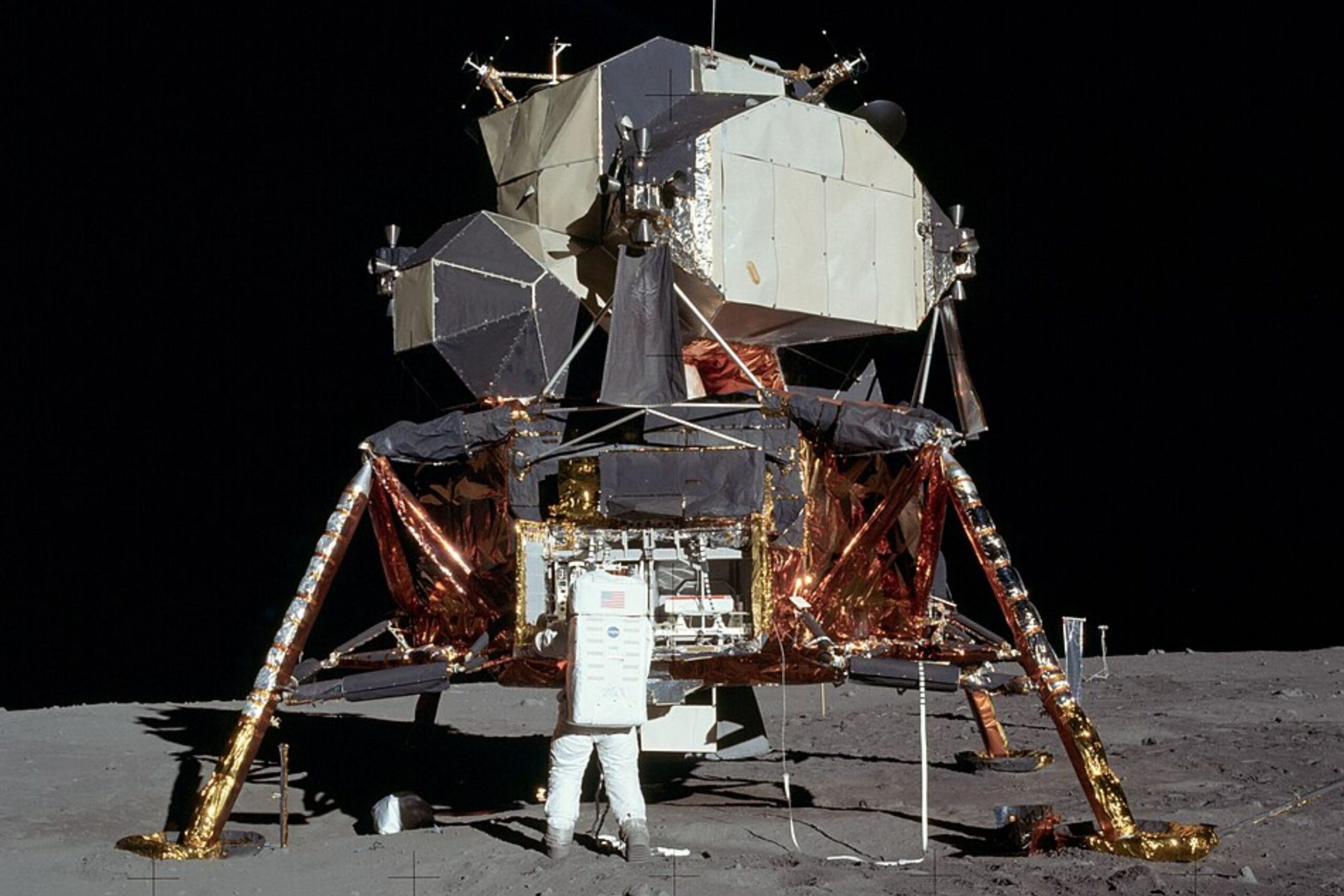
Apollo 11: Man’s First Steps on the Moon
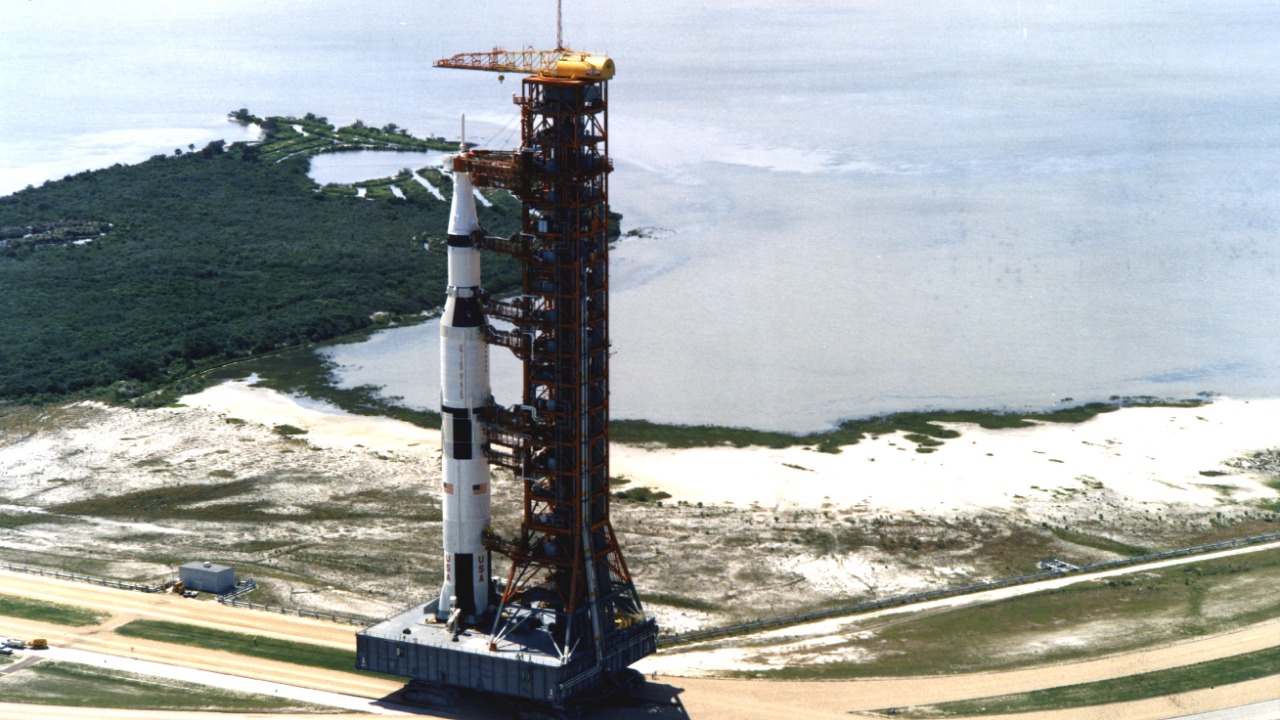
On July 20, 1969, Apollo 11 achieved what many thought was impossible—landing humans on the Moon and bringing them safely back to Earth. Neil Armstrong and Buzz Aldrin became the first and second humans to walk on the lunar surface, a moment immortalized by Armstrong’s words, “That’s one small step for man, one giant leap for mankind.”
The Saturn V rocket, which powered the Apollo missions, remains one of the most powerful rockets ever built. Apollo 11 showcased the extraordinary capabilities of rockets, proving that they could carry humans to another celestial body and return them safely—a milestone in human exploration and technology.
Vostok 1: Yuri Gagarin’s Historic Orbit
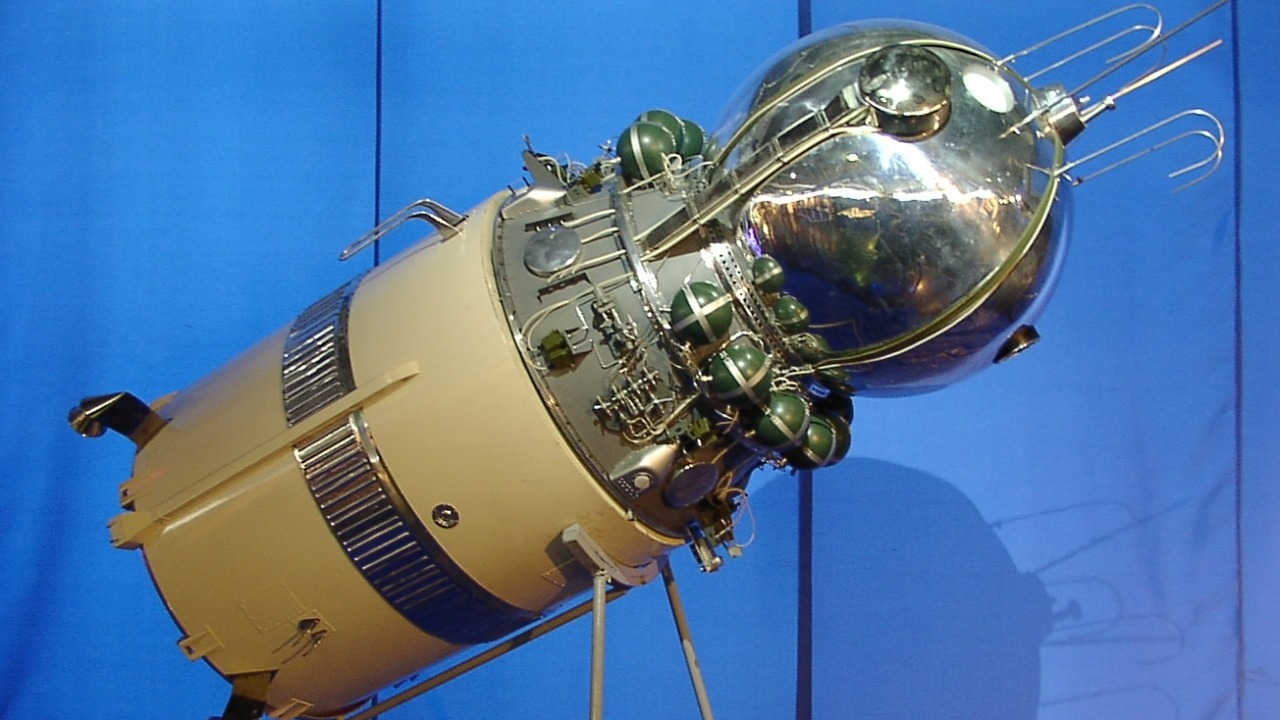
On April 12, 1961, Yuri Gagarin became the first human to orbit the Earth aboard the Vostok 1 spacecraft. This mission not only demonstrated the capability of rockets to send humans into space but also solidified the Soviet Union’s lead in the space race at the time.
Gagarin’s mission lasted just 108 minutes, but it proved that humans could survive the harsh conditions of space travel and return safely. The success of Vostok 1 paved the way for future manned space missions and inspired a new era of space exploration.
Voyager 1: Journey to Interstellar Space

Launched on September 5, 1977, Voyager 1’s mission was to explore the outer planets of our solar system. Decades later, it became the first human-made object to enter interstellar space, a testament to the durability and capability of the rockets and technology used in its launch.
Voyager 1 has provided humanity with unparalleled data about the outer planets and continues to send back information about the heliosphere. Its journey beyond the solar system stands as a remarkable achievement in space exploration, demonstrating the power of rockets to explore the unknown.
Hubble Space Telescope Launch: Unlocking the Universe’s Secrets

The launch of the Hubble Space Telescope on April 24, 1990, aboard the Space Shuttle Discovery marked a new era in astronomical observation. Hubble’s position above Earth’s atmosphere allows it to capture stunning images of the universe, free from the distortion caused by the air.
Hubble has provided invaluable insights into the age of the universe, the life cycles of stars, and the existence of exoplanets. Its successful deployment demonstrated the versatility of rockets to not only transport humans but also to position scientific instruments in space to expand our understanding of the cosmos.
Space Shuttle Columbia: Reusable Spacecraft Revolution

The launch of Space Shuttle Columbia on April 12, 1981, ushered in a new era of reusable spacecraft. Unlike earlier rockets that were used once and discarded, the Space Shuttle could be launched, landed, and relaunched, significantly reducing the cost of access to space.
Columbia’s design and mission capabilities showcased the potential for rockets to be more than one-time-use machines. This innovation paved the way for more routine space travel and the construction of the International Space Station, proving the feasibility of long-term human presence in space.
Mars Rover Spirit: Red Planet Exploration
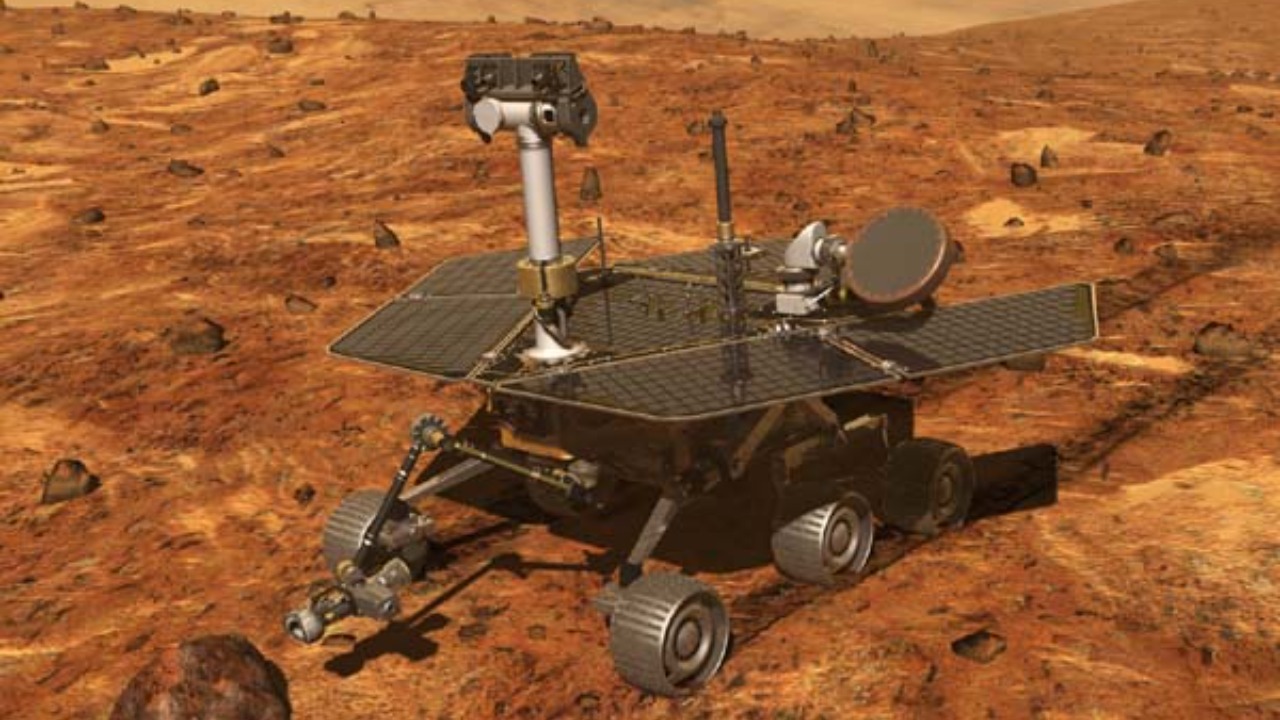
Launched on June 10, 2003, the Mars Rover Spirit was part of NASA’s Mars Exploration Rover Mission. Spirit’s primary objective was to search for evidence of past water activity on Mars, and it far exceeded its expected lifespan, operating for over six years.
The success of Spirit demonstrated the ability of rockets to deliver sophisticated robotic explorers to other planets. Its findings have deepened our understanding of Mars and set the stage for future missions aimed at uncovering the mysteries of the Red Planet.
Cassini-Huygens: Saturn’s Spectacular Study

The Cassini-Huygens mission, a collaboration between NASA, ESA, and ASI, launched on October 15, 1997, to study Saturn and its moons. Cassini spent 13 years in orbit around Saturn, providing detailed information about the planet’s rings, atmosphere, and moons.
The mission’s success was a testament to the power of rockets to send complex spacecraft to distant worlds. Cassini’s findings have transformed our understanding of Saturn and its system, revealing the dynamic nature of its ring structure and the potential for life on its moon, Enceladus.
International Space Station: A Global Space Laboratory
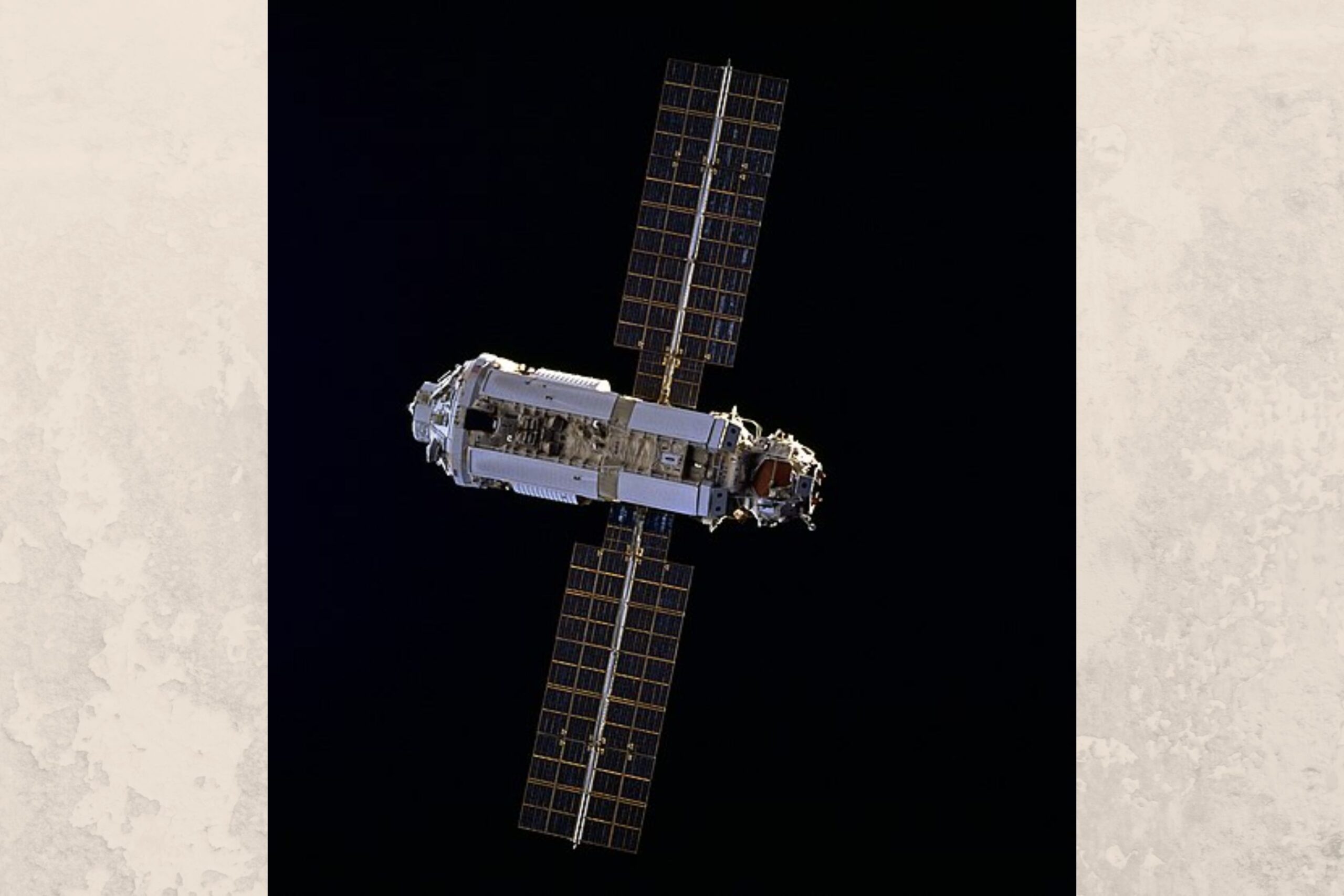
The construction of the International Space Station (ISS) began with the launch of its first module, Zarya, on November 20, 1998. The ISS represents a collaborative effort among multiple countries and agencies, serving as a microgravity laboratory for scientific research.
The ISS’s assembly required multiple rocket launches and showcased the ability of rockets to support large-scale international projects. As a platform for scientific research and international cooperation, the ISS has become a symbol of what can be achieved through shared human endeavor in space.
Falcon Heavy Launch: The Era of Commercial Spaceflight
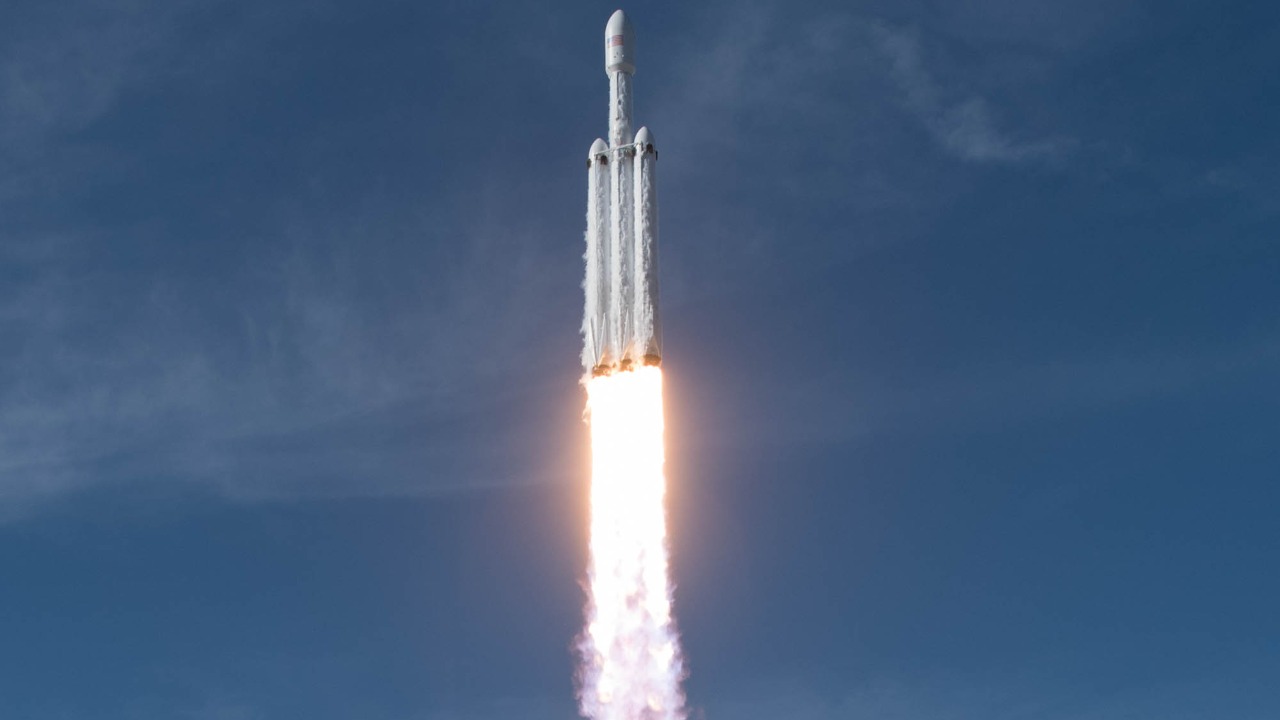
SpaceX’s Falcon Heavy made its maiden flight on February 6, 2018, marking a significant milestone in commercial spaceflight. As one of the most powerful operational rockets, Falcon Heavy demonstrated the capability of private companies to design, build, and launch rockets capable of carrying heavy payloads into space.
The successful launch of Falcon Heavy has opened new possibilities for commercial space exploration, including the potential for missions to the Moon, Mars, and beyond. By reducing the cost of access to space, Falcon Heavy has paved the way for a new era of space exploration driven by private enterprise.