
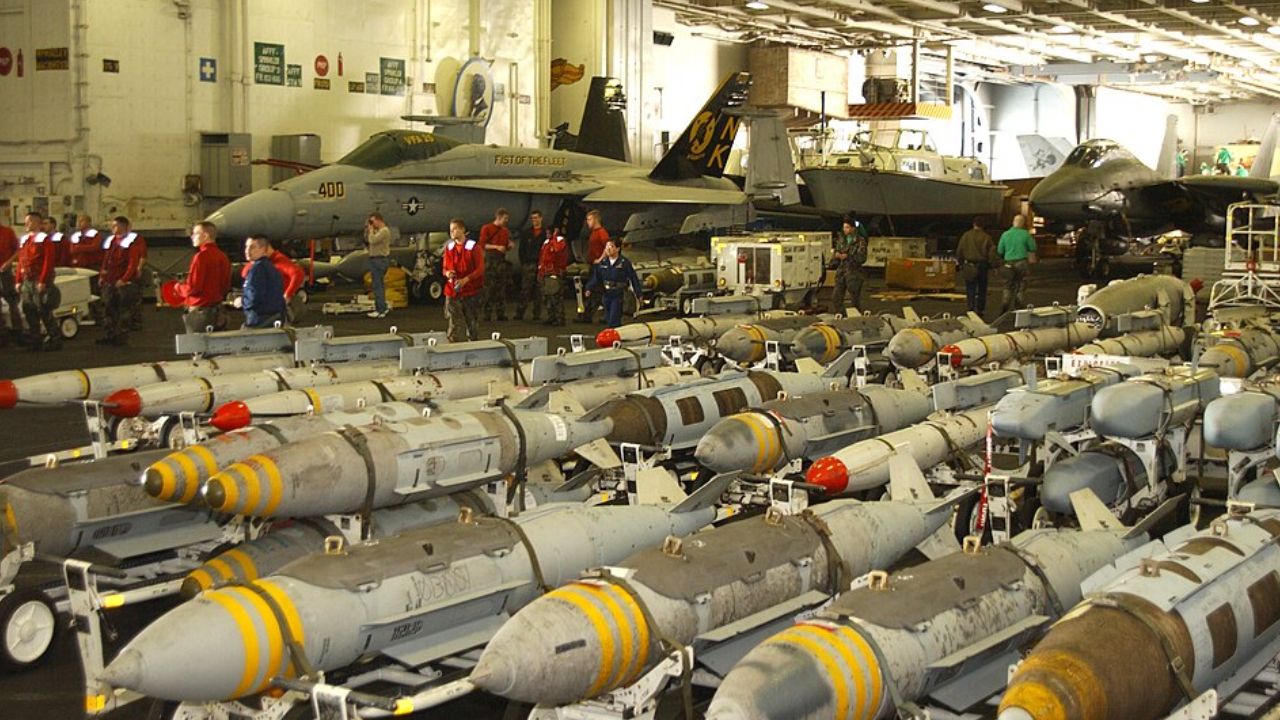
Modern warfare is no longer defined solely by firepower or troop strength—it’s driven by information. From real-time satellite feeds to AI-assisted targeting, today’s militaries rely on data to see farther, react faster, and strike with precision. Technologies once confined to research labs now shape decisions on active battlefields, turning raw information into a decisive advantage. As conflicts grow more complex, the ability to collect, process, and act on data has become just as critical as the weapons themselves.
Advanced Surveillance Drones
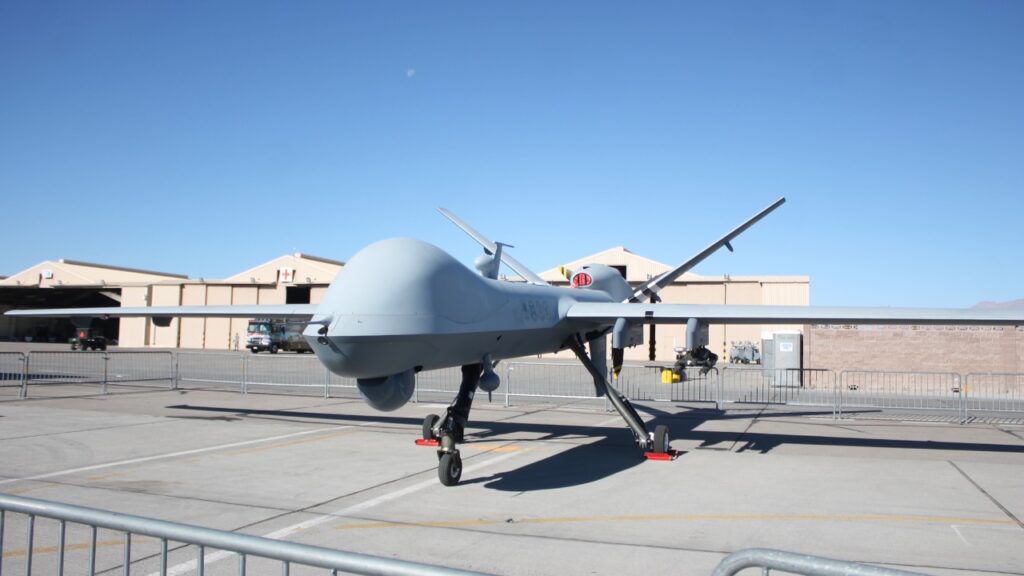
Advanced surveillance drones have dramatically changed the landscape of modern warfare. With capabilities to fly over hostile territories for extended periods, these drones provide real-time intelligence, surveillance, and reconnaissance (ISR). The MQ-9 Reaper, for instance, is equipped with powerful cameras and sensors that can capture high-resolution images and videos, offering commanders unprecedented visibility of the battlefield.
These drones minimize the risk to human life and can be deployed quickly in response to emerging threats. They not only enhance situational awareness but also support accurate decision-making, making them indispensable in today’s data-driven combat scenarios.
Real-Time Data Analytics
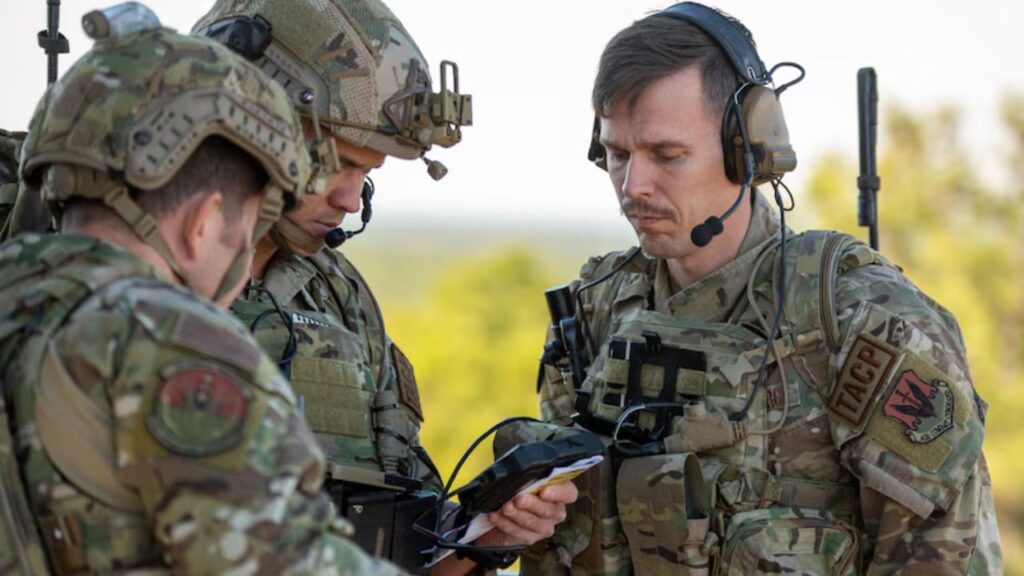
Real-time data analytics have revolutionized how military operations are conducted. By processing vast amounts of data from various sources, such as sensors, satellites, and communication devices, analytics tools can provide actionable insights almost instantaneously. This technology aids in predicting enemy movements, assessing risks, and optimizing logistics.
One example is the U.S. Army’s Project Maven, which uses machine learning algorithms to analyze drone footage, significantly speeding up the process of identifying potential threats. The ability to analyze data in real-time allows military forces to stay one step ahead in rapidly evolving battle conditions.
Cyber Warfare Tools
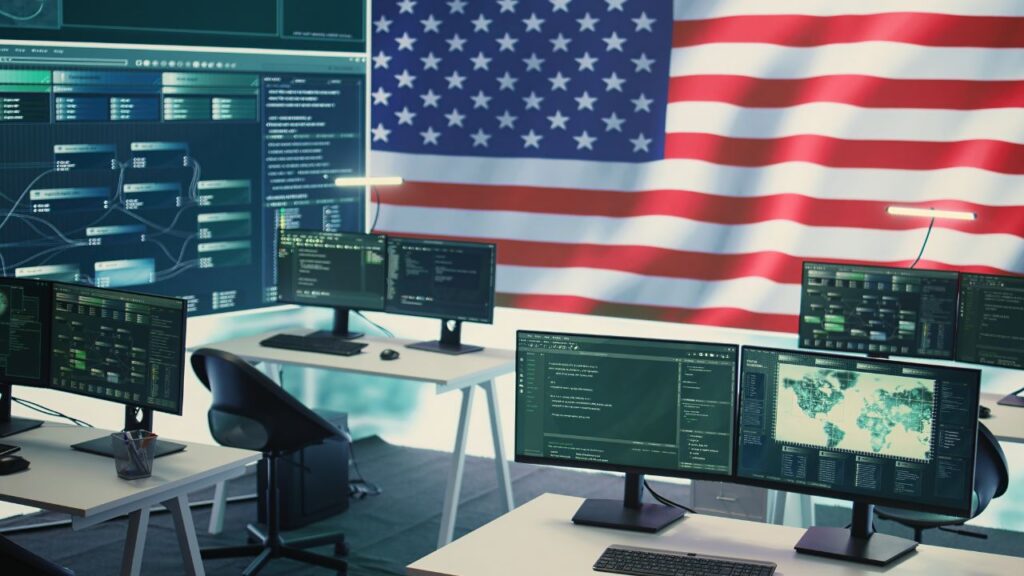
Cyber warfare tools have become a critical component of national defense strategies. These tools are designed to disrupt, deny, degrade, or destroy information residing in computers and computer networks, or the computers and networks themselves. Nations are increasingly investing in offensive and defensive cyber capabilities to protect their infrastructure and attack adversaries.
The Stuxnet worm is a prime example, having been used to sabotage Iran’s nuclear program. Such tools illustrate the growing importance of cyber capabilities in modern warfare, where data and network security are as crucial as traditional military might.
Artificial Intelligence in Combat

Artificial Intelligence (AI) is reshaping military strategies by providing enhanced decision-making capabilities. AI systems can process information far more quickly than humans, identifying patterns and generating predictions that inform tactical and strategic decisions. AI is used in applications ranging from autonomous drones to predictive maintenance of military equipment.
The Pentagon’s Joint Artificial Intelligence Center (JAIC) is an example of how AI is being integrated into defense operations. By leveraging AI, military forces can execute operations with greater precision and efficiency, ensuring a strategic advantage over adversaries.
Autonomous Weapons Systems

Autonomous weapons systems are transforming the nature of combat by reducing the need for direct human intervention. These systems can operate independently, using AI to identify and engage targets. The development of autonomous tanks, drones, and naval vessels signifies a shift towards more automated warfare environments.
The implementation of systems like the Israeli Harpy drone, which can autonomously detect and destroy radar emitters, highlights the potential of autonomous technology to conduct missions without risking human lives. However, the ethical implications of such technology continue to be a topic of international debate.
Enhanced Battlefield Communication Networks
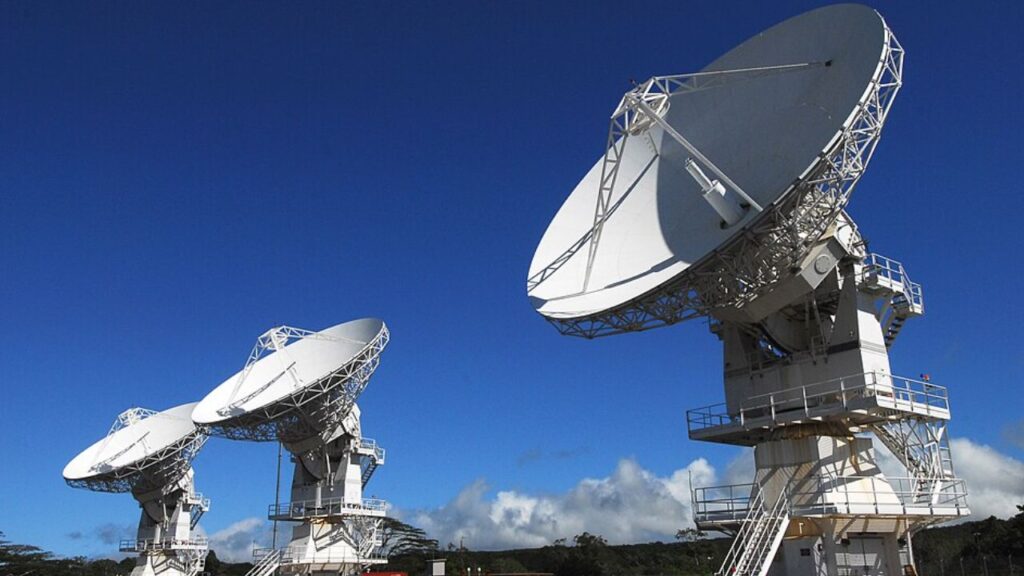
Enhanced battlefield communication networks ensure that troops and commanders maintain seamless communication, even in the most challenging environments. These networks integrate satellite, radio, and digital communications to provide a robust and resilient system.
Systems like the Mobile User Objective System (MUOS) enhance communications for U.S. forces by providing secure voice and data communications globally. Reliable communication networks are vital for coordinating complex operations and ensuring that forces can respond quickly to changing battlefield conditions.
Precision-Guided Munitions
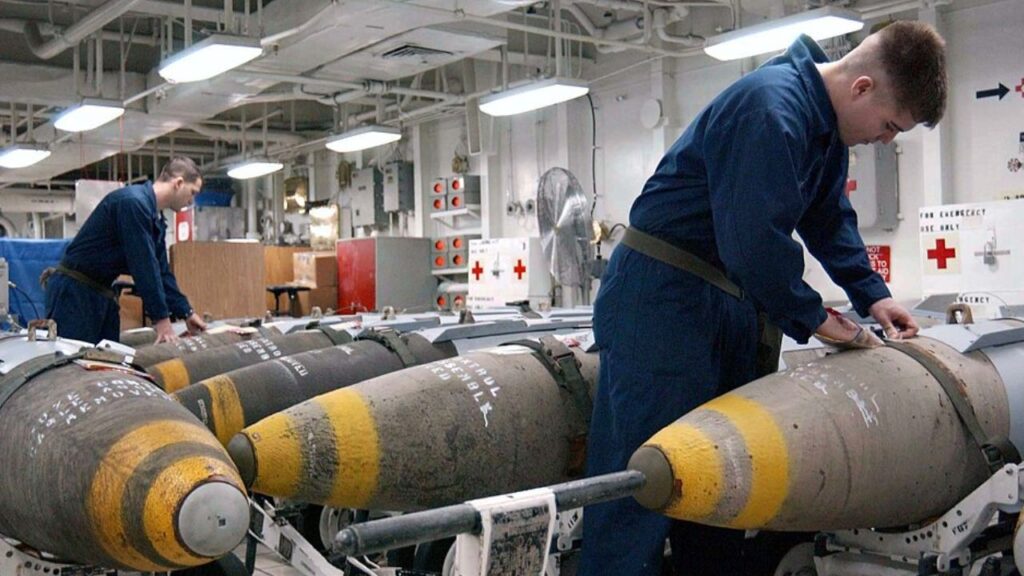
Precision-guided munitions (PGMs) have brought a new level of accuracy to military operations. These weapons use guidance systems such as GPS, lasers, or infrared to accurately hit targets with minimal collateral damage. The Joint Direct Attack Munition (JDAM) is a widely used example, converting unguided bombs into precision-guided munitions.
By reducing the likelihood of unintended damage, PGMs allow for more effective targeting of enemy assets, enhancing operational effectiveness while adhering to ethical standards in warfare.
Electronic Warfare Systems

Electronic warfare systems are essential for controlling the electromagnetic spectrum, which is crucial for modern military operations. These systems can disrupt enemy communications, radar, and navigation systems, providing a tactical advantage on the battlefield.
The Russian Krasukha-4 is an example of an advanced electronic warfare system capable of jamming radar and satellite signals. Such capabilities enable forces to protect their assets while neutralizing the effectiveness of enemy technologies.
Satellite Reconnaissance Technology

Satellite reconnaissance technology provides valuable intelligence by capturing high-resolution images and data from orbit. These satellites can monitor enemy movements, assess terrain, and gather information that is vital for strategic planning.
The Keyhole series of reconnaissance satellites operated by the United States is a testament to the capabilities of satellite technology in military operations. Access to detailed satellite imagery allows for informed decision-making, contributing to a more data-driven approach to warfare.
Wearable Soldier Tech

Wearable soldier technology enhances the capabilities and safety of military personnel. These systems include body armor with integrated sensors, communication devices, and health monitors that provide real-time data on a soldier’s status and environment.
The TALOS (Tactical Assault Light Operator Suit) project by the U.S. Special Operations Command exemplifies the development of wearable tech aimed at providing soldiers with enhanced protection and situational awareness. Such innovations ensure that soldiers are better equipped for modern combat scenarios.