
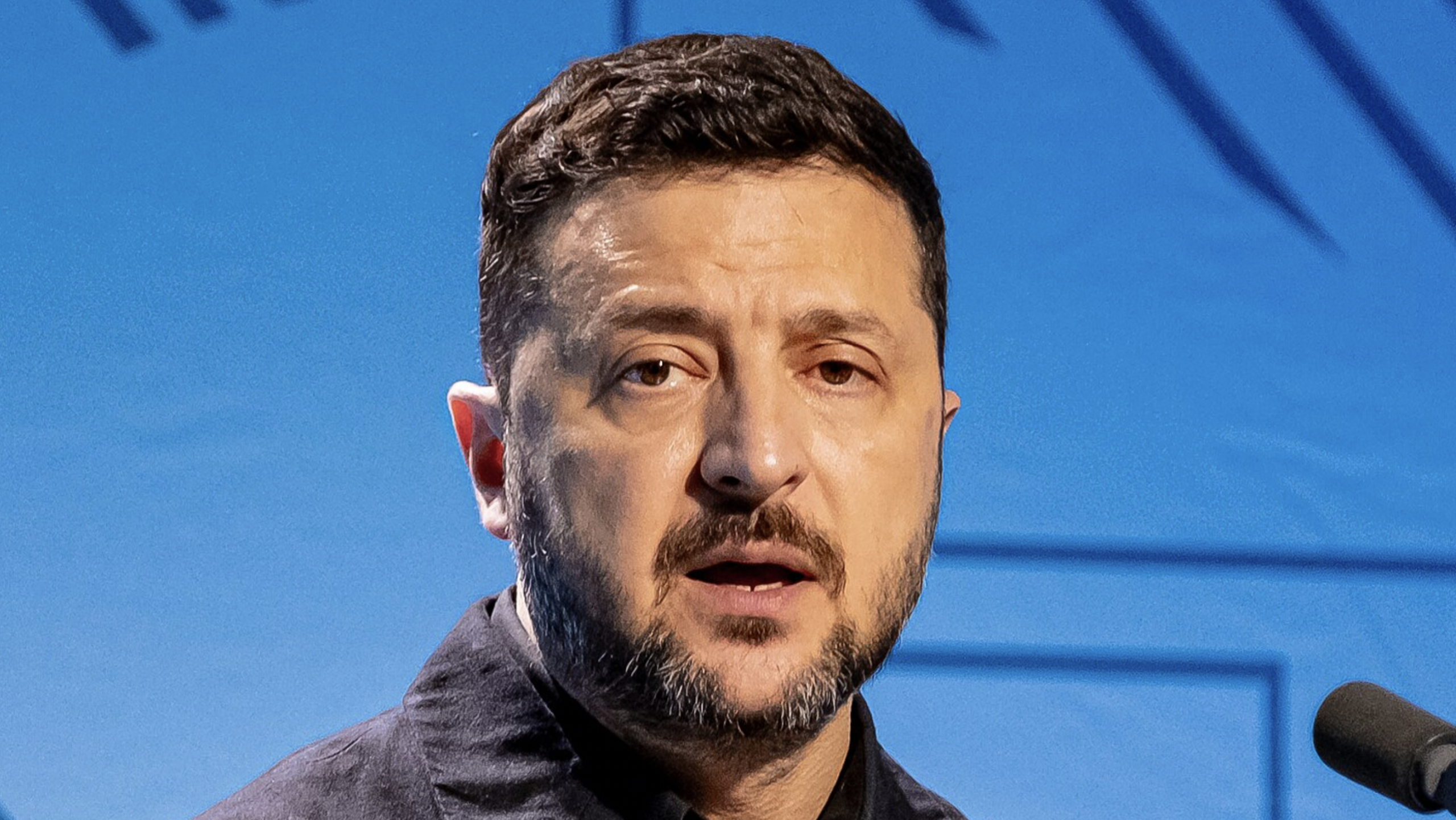
Ukrainian President Volodymyr Zelenskyy said Saturday that Ukrainian intelligence has compiled detailed reports on Russia’s military plans for the fall, alleging that President Vladimir Putin is quietly laying the groundwork for an expanded mobilization drive even as Russian forces have suffered nearly 225,500 casualties so far this year, including 131,000 killed.
The claim came in the third of three posts Zelenskyy published to X on Saturday afternoon, following his evening address to the nation. “We have comprehensive intelligence reports on Russia’s plans for the fall,” Zelenskyy wrote. “Putin is preparing the conditions for expanding mobilization. His casualty figures speak for themselves.”
According to the figures Zelenskyy cited, 221,000 people have joined the ranks of the Russian Armed Forces in the less than seven months of 2026 that have elapsed so far. Over that same period, he said, Russian casualties reached nearly 225,500, “among them 131,000 killed and almost 93,000 wounded.” Zelenskyy added a detail meant to underscore the severity of those wounds: “A significant share of those wounds are severe, as frontline medical care in Russia is catastrophically poor.”
Zelenskyy argued that the scale of Russian losses is precisely why Moscow is working to obscure its next mobilization wave rather than announce it outright. “Putin is preparing to simply send more Russians to war,” he said. “He disguises it with different words and signals, but that is what he is preparing to do. It is crucial that, together with our partners, we exert enough pressure on Russia so that the idea of ending this aggression becomes the dominant one – the idea of peace, not of another Russian mobilization.”
The official transcript of the address, published by the Ukrainian presidency under the title “We Have Comprehensive Intelligence Reports on Russia’s Plans for the Fall; What Is Not in Russia’s Plans Is Peace,” frames the mobilization warning as the centerpiece of a wider assessment of Kremlin intentions heading into autumn. Zelenskyy opened that section of his address bluntly: “What is not in Russia’s plans is peace. Unfortunately, not yet.” He went on to credit Ukraine’s long-range strike campaign with accelerating Russian discontent over the war’s cost. “Our long-range operations and our mid-range strikes are helping with this,” he said. “More and more Russians are noticing Putin’s war, taking losses because of it, and thinking that this war should not be dragged out. We see this.”
The casualty and recruitment figures Zelenskyy disclosed Saturday were part of a longer address that touched on several other fronts of the war. He opened by thanking Ukrainian service members, intelligence services and the Security Service of Ukraine for a wave of strikes on Russian oil facilities, including one target in Tyumen, roughly 2,000 kilometers from Ukraine, which he said was hit using upgraded Fire Point-model drones. He said Ukraine’s campaign against Russian military production facilities and logistics networks that sustain strikes on Ukraine was continuing and having a “very tangible” impact.
Zelenskyy also said he had spoken that day with Commander-in-Chief of the Armed Forces of Ukraine Oleksandr Drapatyi about the situation on the front, particularly in the Donetsk region, and about Ukraine’s long-range and mid-range strike operations, adding that he had scheduled a follow-up meeting with Drapatyi and Defense Minister Denys Khmara. He said Ukraine would respond to recent Russian strikes on its ports and agricultural facilities, describing continuing reports from Sumy and other regions detailing damage to bread-production facilities and agricultural enterprises, which he characterized as “Russia’s deliberate tactic of carrying out callous strikes.” He said Ukraine’s Ministry of Foreign Affairs would brief international partners on the consequences of the campaign, warning that renewed Russian pressure on Black Sea grain exports could again drive up living costs in import-dependent countries such as Egypt and Libya, echoing disruptions to global food security that followed Russia’s initial 2022 invasion.
The mobilization warning was immediately followed, in the same address, by two additional disclosures that Zelenskyy separately published as standalone posts on X: a claim that Russia is preparing to receive another 30,000 troops from North Korea at a staging site in the Voronezh region, and an allegation that Russia has been supplying Iran with satellite surveillance imagery of U.S. and Gulf-state military facilities ahead of Iranian strikes. Zelenskyy’s office presented all three disclosures as components of the same broader intelligence assessment of Russian conduct heading into the fall — one in which Moscow, rather than moving toward negotiations, is instead drawing on foreign manpower, foreign weapons and an internal mobilization push to sustain the war for another season.
The casualty figures Zelenskyy cited Saturday are broadly consistent with the trajectory Ukrainian officials have described throughout 2026, in which Russian recruitment has continued to keep pace with, or slightly exceed, reported losses, allowing Moscow to sustain offensive operations without formally announcing a new wave of compulsory mobilization of the kind it ordered in September 2022. That earlier mobilization, which triggered mass emigration and public unease inside Russia, is widely understood by Western analysts to be the political precedent the Kremlin has since tried to avoid repeating, relying instead on financial incentives, contract recruitment and, more recently, foreign troop contributions from North Korea to fill the ranks.
Zelenskyy’s insistence that Putin is “disguising” preparations for a further mobilization, rather than declaring one outright, points to that same political sensitivity. If accurate, it would suggest the Kremlin views a formal mobilization order as a domestic political risk it wants to avoid even as it seeks to expand troop numbers, preferring instead to rely on measures that do not require public acknowledgment of a broader call-up — a dynamic that would also help explain Moscow’s reported interest in drawing an additional 30,000 troops from North Korea rather than filling that manpower gap entirely through domestic conscription.
The broader message Zelenskyy delivered Saturday was aimed as much at Ukraine’s Western partners as at a domestic audience. He argued that Ukrainian long-range and mid-range strikes are contributing to growing dissatisfaction inside Russia over the war’s human cost, and he framed continued Western pressure — including sustained weapons deliveries — as the key variable in determining whether that dissatisfaction translates into Russian leadership reconsidering the war, or whether Putin instead succeeds in generating the manpower needed to continue it through another mobilization wave. “It is crucial that, together with our partners, we exert enough pressure on Russia so that the idea of ending this aggression becomes the dominant one,” Zelenskyy said, tying the casualty disclosure directly to Ukraine’s ongoing appeals for continued military and financial support.
Zelenskyy closed his address with a broader appeal to partners, thanking “everyone who is helping us” and “everyone who stands with us, with Ukraine,” a formulation he has used consistently throughout the war to close his nightly addresses. Saturday’s version of that appeal, however, arrived attached to some of the most detailed casualty and mobilization intelligence Zelenskyy has publicly disclosed in recent months, underscoring Kyiv’s argument that the war’s next phase will be shaped as much by Russia’s capacity to replace its losses as by events on the battlefield itself.