

Recoil is often treated as a badge of honor, a sign that a shooter is running a “serious” gun instead of a mild training setup. In reality, heavy kick can mask shaky fundamentals, allowing anticipation, poor grip, and sloppy trigger work to hide behind the drama of each shot. When the blast and movement dominate the experience, it becomes harder to see, feel, and correct the small technical errors that actually decide whether rounds land on target.
Understanding how recoil interacts with the brain and body shows why starting too big, too soon, can quietly sabotage accuracy. The physics of how a firearm moves, combined with instinctive human reactions to noise and impact, can build bad habits into a shooter’s neural pathways long before they notice anything is wrong.
Recoil, physics, and what the shooter actually feels
At its core, recoil is not a mystery or a personality test, it is basic physics. When a bullet is fired, the expanding gases push the projectile forward and the firearm backward, a textbook example of conservation of momentum that turns into the familiar rearward shove in the shooter’s hands and shoulder. As one physics primer on gun recoil explains, the entire system of shooter and firearm absorbs that reaction, which affects aim, stability, and control during the firing process.
That physical reality matters because the more violent the movement, the more it disrupts the sight picture and body position between shots. Reporting on semi automatic rifles has noted that the excessive recoil of a traditional hunting rifle can preclude rapid, accurate follow up fire, since the obligatory motion of the gun and its impact on the shooter force a full recovery before the next shot. By contrast, designs like the AR 15 platform were engineered so that the recoil impulse is softer and more linear, allowing the shooter to stay closer to the target line and maintain control for faster strings of fire, as detailed in analysis of the AR 15’s recoil characteristics. The key point is not that less recoil is always better, but that the magnitude and direction of that force shape what the shooter can realistically see and correct from shot to shot.
How anticipation and flinching get wired in
Beyond the physics, the brain’s response to recoil is where fundamentals often start to unravel. Any time a person repeatedly performs a sequence of moves, such as pressing a trigger and bracing for the shot, the nervous system begins to automate that pattern. One training analysis labeled this process “The Science,” noting that even thinking about a familiar sequence can cause the body to pre activate muscles in anticipation of what comes next. In the context of handgun work, that means the shooter may begin to clench the hands, dip the muzzle, or tense the shoulders just before the gun fires, all in expectation of the blast and movement described in that neural pathway discussion.
Instructors routinely see this as flinching, a physical response to the shot where the shooter reacts to the bang and recoil rather than letting the gun cycle in a stable platform. One breakdown of common trigger control errors describes “Flinching This” as a classic problem, with the shooter pushing the gun down or away at the moment of ignition because they perceive the report and recoil as unpleasant and try to counter it. Another guide aimed at new handgun owners warns that “Too much recoil too soon can lead” to exactly this kind of anticipation, where the shooter starts to move the gun in expectation of the kick, which then hurts down range accuracy even when they later move on to models that launch bigger bullets. By the time those habits are ingrained, the shooter is no longer reacting to what the sights show, but to what their brain predicts the recoil will feel like.
Why heavy recoil hides bad fundamentals instead of fixing them
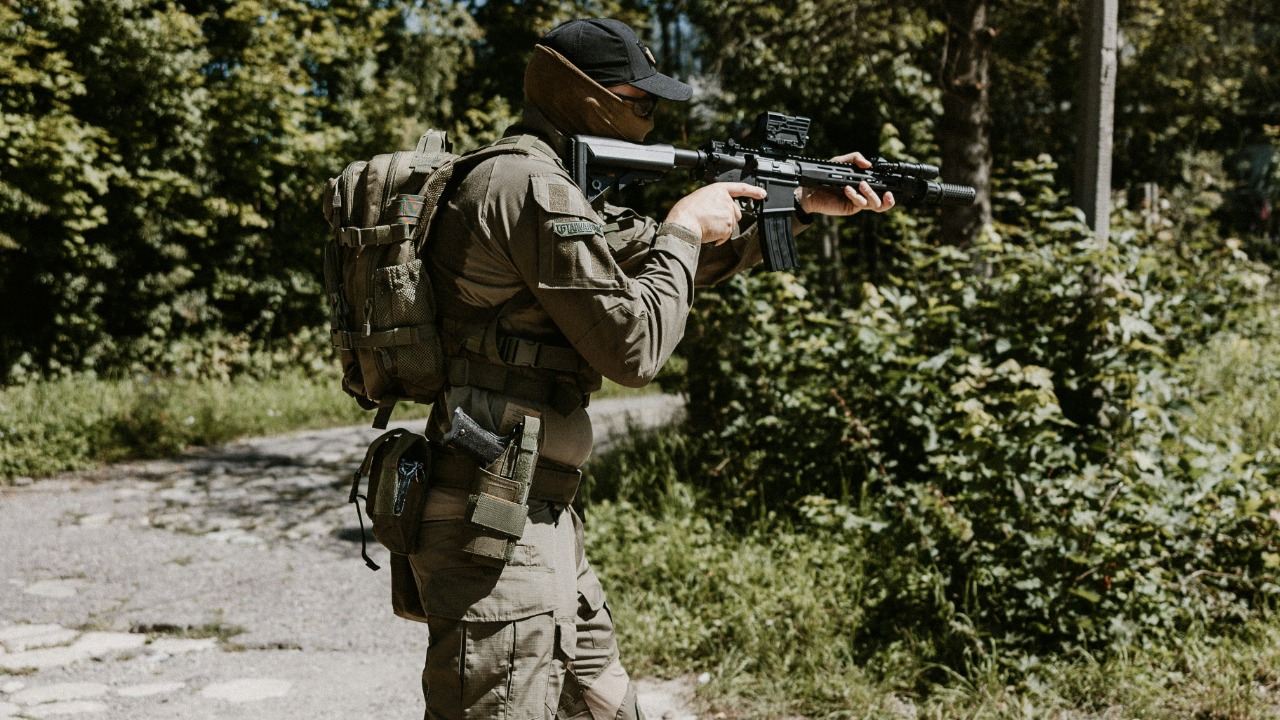
Once anticipation takes hold, a powerful firearm can actually make diagnosis harder, not easier. With a hard recoiling rifle or pistol, the muzzle jumps, the frame torques, and the shooter’s whole upper body may move in response, which can obscure whether the original sight alignment and trigger press were clean. The shooter sees a wide group on the target and feels a dramatic impulse in their hands, but it is difficult to separate how much of that spread came from poor grip pressure, inconsistent trigger finger placement, or a last second flinch that yanked the muzzle off line. The same physics that a recoil primer describes as momentum transfer becomes a kind of visual noise that covers up the shooter’s own errors.
New shooters are particularly vulnerable to this masking effect. Guidance aimed at beginners stresses that starting with a softer shooting handgun allows them to focus on sight alignment, trigger control, and follow through without being overwhelmed by blast and kick. The warning that “Too much recoil too soon can lead” to a lasting flinch is not just about comfort, it is about feedback quality. On a mild platform, a low shot that breaks cleanly can be traced to a specific mistake, such as tightening the fingers during the press. On a heavy recoiling gun, that same low impact might be dismissed as “the gun just jumps,” so the shooter never isolates the underlying problem. Over time, they may even come to believe that wide groups are inevitable with powerful calibers, rather than a sign that fundamentals are being masked by the violence of the recoil cycle.
Training the brain to override the flinch
Correcting these hidden flaws requires more than simply “toughing it out” with bigger guns. The neural pathway analysis in “The Science” emphasizes that once the brain has built a strong association between a stimulus and a response, such as loud noise and a preemptive flinch, the most effective fix is to create a stronger, alternate pathway through deliberate practice. In shooting terms, that means building repetitions where the trigger press is smooth, the sights stay stable, and the expected blast either does not arrive or arrives in a way that does not punish the shooter. Dry fire, where the gun is unloaded and the shooter focuses on a motionless front sight during the press, is one way to rehearse the correct sequence without any recoil at all, gradually teaching the brain that a clean trigger break does not require a defensive jerk.
Live fire drills can then layer in controlled recoil without overwhelming the shooter. Instructors who analyze trigger control errors often recommend starting with low recoiling calibers or reduced power loads, so that “Flinching This” is less likely to be triggered and any remaining anticipation is easier to spot. Ball and dummy drills, where inert cartridges are mixed with live rounds, expose pre ignition movement when the hammer falls on an empty chamber and the gun does not move as expected. Over time, these methods help the shooter build the alternate neural pathway described in the anticipation research, replacing the reflexive flinch with a calmer, more disciplined response to the shot.
Choosing equipment that reveals, not conceals, technique
Equipment choices can either support this retraining or work against it. The same analysis that contrasted the excessive recoil of a hunting rifle with the more manageable impulse of an AR 15 style rifle highlighted how design decisions, such as stock geometry and gas systems, affect how much the gun moves and how quickly the shooter can re acquire the target. For skill development, a platform that keeps recoil moderate and predictable gives clearer feedback on fundamentals, since the sights do not leave the target area as violently and the shooter can see where the gun was pointed at the instant of ignition. That is why many coaches steer new shooters toward softer recoiling options before they graduate to heavier calibers, echoing the warning that “Too much recoil too soon can lead” to bad habits that are harder to unwind later.
Even for experienced shooters, there is value in periodically returning to low recoil setups to audit technique. A physics based understanding of recoil forces and a neurological grasp of anticipation show that the goal is not to eliminate kick, but to ensure it does not dominate the learning process. When the firearm’s movement is controlled enough that the shooter can track the sights, feel the trigger break, and call each shot, flaws in grip, stance, and mental focus become visible and fixable. When the gun’s violence overwhelms those subtleties, poor fundamentals can hide in plain sight, protected by the very recoil that some shooters mistakenly treat as proof of skill.