
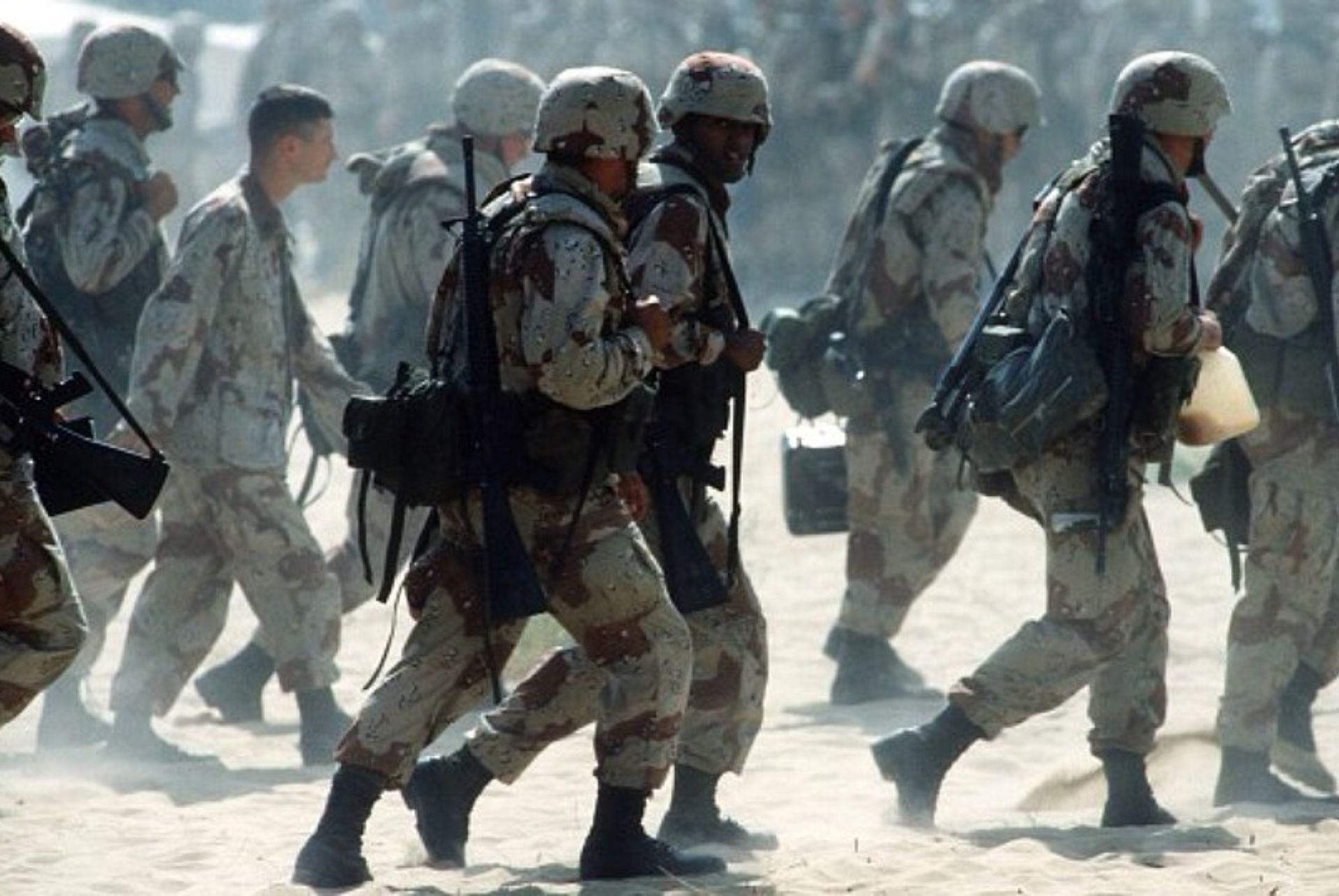
The possibility of a military conflict between the United States and Iran has been a topic of international concern for years. While some analysts argue that a U.S. victory is probable, experts warn that such an outcome could lead to a chaotic aftermath with significant geopolitical and humanitarian repercussions. Exploring the potential consequences of a U.S. victory over Iran reveals the complexities that may arise in its wake.
The Immediate Impact of a U.S. Victory
In the event of a U.S. military victory over Iran, the immediate destabilization of Iran’s government and military infrastructure would be inevitable. The dismantling of the current regime could create a power vacuum, leading to an uncertain and potentially chaotic environment within the country. The sudden absence of a central authority might provoke widespread civil unrest, as various factions and interest groups vie for power and control. This instability could exacerbate existing ethnic and political tensions, leading to a humanitarian crisis as civilians find themselves caught in the crossfire.
Moreover, the impact on global oil markets and economic stability would be immediate and profound. Iran, one of the world’s largest oil producers, plays a critical role in the global energy supply chain. Disruption of Iranian oil exports due to conflict could send shockwaves through international markets, causing oil prices to spike and potentially triggering a global economic downturn. Countries heavily reliant on oil imports, such as Japan, South Korea, and European nations, would face significant economic challenges as they scramble to secure alternative energy sources.
Regional Repercussions and Power Vacuums
The destabilization of Iran could have far-reaching repercussions across the Middle East, creating opportunities for other regional powers to assert their influence. Countries like Russia, China, and Turkey would likely seek to fill the power vacuum left by a weakened Iran, each pursuing their strategic interests in the region. Russia, for example, may attempt to expand its military presence and solidify its alliances, while China could strengthen its economic ties through initiatives like the Belt and Road Initiative. This jockeying for influence could lead to increased tensions and rivalries among these powers, further destabilizing the region.
Additionally, the risk of sectarian violence and conflicts in neighboring countries would rise significantly. Iran’s influence extends beyond its borders, particularly among Shia communities in countries like Iraq, Lebanon, and Syria. A power vacuum in Iran could embolden extremist groups, such as ISIS and al-Qaeda, to exploit the resulting chaos and expand their activities. These groups thrive in unstable environments, using the opportunity to recruit and radicalize individuals disillusioned by the turmoil. The potential for increased sectarian violence could lead to further humanitarian crises and destabilize neighboring countries.
International Diplomatic Challenges
A U.S. victory over Iran would also present significant diplomatic challenges on the international stage. Relations between the United States and its European allies may become strained due to differing approaches to Iran and the broader Middle East. While the U.S. might advocate for a hardline stance, European nations could prioritize diplomatic engagement and conflict resolution, leading to potential rifts within alliances such as NATO. These differences could complicate efforts to present a unified front in addressing the aftermath of a conflict with Iran.
Rebuilding diplomatic ties and establishing a new government in Iran would be a complex and delicate task. The United Nations and international organizations would likely play a crucial role in peacekeeping and reconstruction efforts. However, coordinating these efforts would require navigating the interests of multiple stakeholders, both regional and international. Establishing a stable and representative government in Iran would be essential to ensure lasting peace and stability, but achieving this goal would be fraught with challenges and uncertainties.
Economic Consequences and Reconstruction Efforts
The financial burden of reconstruction in Iran would be immense, requiring substantial international aid and investment. Rebuilding the country’s infrastructure, economy, and governance structures would be a long-term endeavor, demanding significant resources and coordination. The international community, including organizations like the World Bank and the International Monetary Fund, would likely play a crucial role in providing financial assistance and expertise. However, securing the necessary funding and ensuring its effective use would be a complex task, particularly given the potential for corruption and mismanagement.
The impact on global markets, including oil prices and trade routes, would also be significant. The disruption of Iranian oil exports could lead to sustained volatility in global energy markets, affecting not only oil prices but also the broader economic landscape. Countries heavily reliant on oil imports would need to adapt to changing market dynamics, potentially reshaping trade relationships and economic strategies. In the long term, Iran’s economic challenges could have ripple effects across the region, affecting trade, investment, and economic growth.
Humanitarian Concerns and Refugee Crises
The potential for large-scale displacement and refugee flows into neighboring countries would be a major humanitarian concern in the aftermath of a U.S. victory over Iran. The conflict could drive hundreds of thousands, if not millions, of Iranians to flee their homes in search of safety and stability. This influx of refugees would place significant strain on neighboring countries, many of which are already grappling with their own economic and social challenges. The international community, including humanitarian organizations such as the United Nations High Commissioner for Refugees (UNHCR), would need to mobilize resources and support to address the needs of displaced populations.
Human rights concerns, including the protection of civilians and minority groups, would also be paramount. Ensuring the safety and well-being of vulnerable populations, particularly women, children, and ethnic minorities, would require concerted efforts from international organizations and governments. The role of international humanitarian organizations in providing relief and support would be crucial, but their efforts would need to be coordinated with local authorities and communities to be effective. Addressing these humanitarian challenges would be essential to ensuring a stable and peaceful future for Iran and the region.