
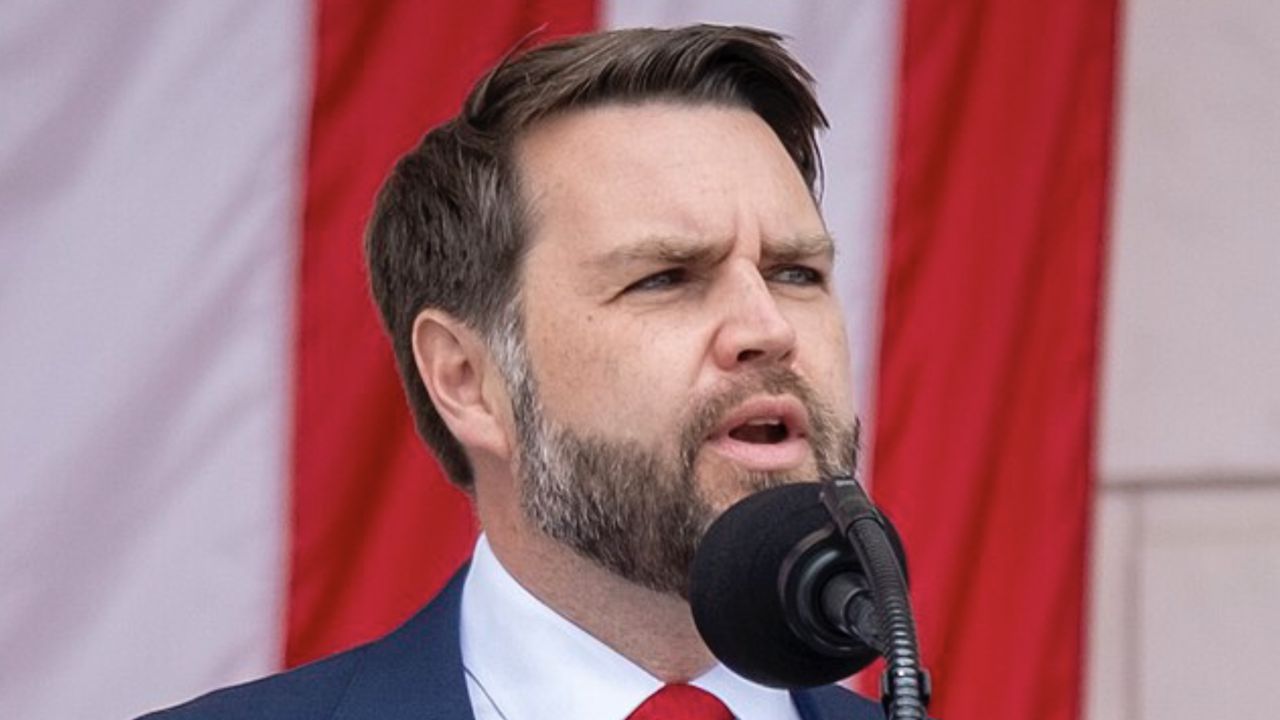
Vice President JD Vance marked Labor Day on Monday with a message honoring American workers, framing the holiday as a tribute to those who “support their families and fight for a better life” and calling on the federal government to remain accountable to them.
In a post on X published at 9:39 a.m. ET on September 7, 2026, Vance wrote:
“Happy Labor Day to the hard-working men and women who support their families and fight for a better life. Their work deserves our respect and a government that never forgets who keeps this country running.”
The message was brief but pointed, tying the holiday’s traditional focus on labor to a broader argument the vice president and the administration have made throughout the year: that federal policy should be oriented around the interests of working Americans rather than institutions or elites. Vance did not name specific policies or legislation in the post, instead framing the day around recognition and government responsiveness to the workforce.
A Coordinated Message From the White House
Vance’s post came the same day President Donald Trump signed the administration’s formal Labor Day proclamation, declaring September 7, 2026, as the federal holiday. The proclamation stated that the day was meant to “recognize the hard work, dedication, and unwavering commitment of the American worker,” adding that workers’ “inspiring skill and unbreakable spirit have propelled our country forward for generations.”
The proclamation went further than past years’ ceremonial language, laying out specific economic claims. It stated that “through landmark trade deals, American manufacturing has expanded for 6 months straight, and more auto plants are being built in America today than ever before,” and noted a proposal for “a new fee on H-1B visa petitions that will encourage companies to invest in qualified Americans before looking overseas for labor.”
The proclamation closed with a declaration that “our Nation is entering a bold new era of American manufacturing, technological innovation, and economic prosperity — powered by the might of the American worker,” before formally proclaiming the holiday and calling on public officials and citizens to mark it “with appropriate programs, ceremonies, and activities that honor the contributions and resilience of working Americans.”
Alongside the formal proclamation, Trump also posted a more overtly political Labor Day message that pivoted toward the upcoming midterm elections, predicting Republicans would win the November contests and closing with a message aimed at Democrats. The White House additionally released a video earlier in the day thanking workers and describing them as “the backbone of our nation.”
Vance’s Past Labor Day Statements
Monday’s post continued a pattern for Vance, who has used the holiday in prior years to deliver similar messages centered on gratitude toward workers. In a post marking Labor Day in 2025, Vance wrote: “On this Labor Day, I am grateful to the millions of American workers who built our country over many generations. Happy Labor Day!”
The official Vice President account also posted separately that year, linking the administration’s manufacturing agenda directly to the holiday’s meaning: “President Trump and Vice President Vance are fighting every day to bring back American manufacturing and make America a better place for all working families. Happy Labor Day to the workers who make America great!”
Taken together, Vance’s messages across both years reflect a consistent emphasis on manufacturing, family stability and government accountability to workers, themes that have also anchored his public remarks on domestic economic policy throughout his time in office.
The Economic Backdrop
Monday’s tributes to American workers arrived days after the Bureau of Labor Statistics released its August 2026 employment report, which showed nonfarm payrolls rising by 162,000 jobs, well above the roughly 31,000 average monthly gain of the prior twelve months. The unemployment rate held steady at 4.1 percent.
The report showed manufacturing employment continuing an upward trend, adding 16,000 jobs in August, part of a broader gain of roughly 56,000 to 58,000 manufacturing positions since a low point in December 2025. Average hourly earnings rose 0.3 percent to $37.75, up 3.1 percent over the past year, while labor force participation edged up to 61.6 percent.
The administration has repeatedly pointed to the manufacturing gains and wage growth as evidence its trade and tax policies are benefiting workers, a case it built into both Trump’s Labor Day proclamation and the broader messaging pushed by Vance and other officials on Monday.
Vance’s Working-Class and Military Background
Vance’s Labor Day message also reflects a biography he has frequently invoked in public life. Raised in Middletown, Ohio, in what he has described as an unstable, working-class household, Vance enlisted in the U.S. Marine Corps in 2003 and served as a military journalist in public affairs until 2007 before attending Ohio State University and Yale Law School.
His 2016 memoir, “Hillbilly Elegy,” drew national attention for its portrayal of working-class disaffection in Appalachia and the Midwest, a background that has continued to inform his political messaging on labor, manufacturing and economic policy since he entered elected office and, later, the vice presidency.
Looking Ahead
The Labor Day messaging from Vance and Trump comes roughly two months ahead of the November 2026 midterm elections, with the administration continuing to frame its manufacturing and trade record as central to its case to voters. Trump’s own Labor Day post explicitly tied the administration’s economic message to the midterms, predicting a large Republican victory in the elections.
Vance’s post did not reference the midterms directly, focusing instead on the broader message of recognition for workers and a call for government accountability, consistent with the tone of his previous Labor Day statements.