
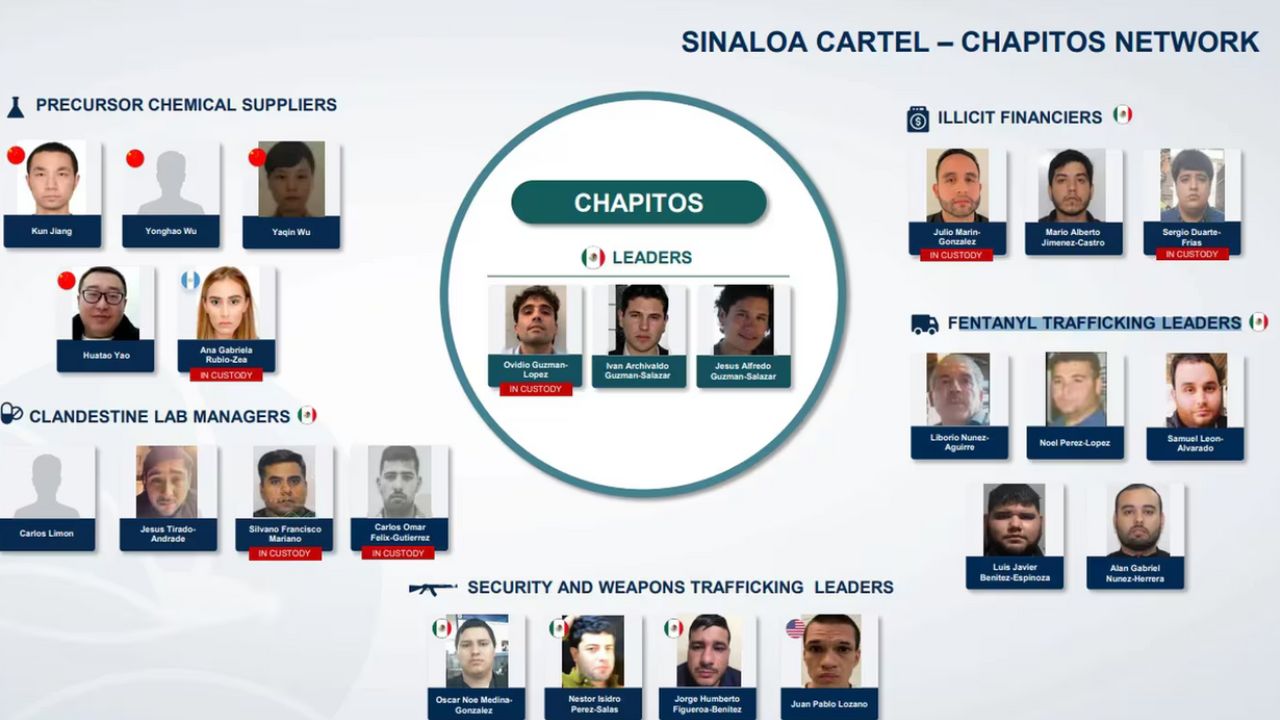
The U.S. government has announced a $10 million reward for information leading to the capture of two high-ranking leaders of the Sinaloa cartel. This bold move underscores the ongoing battle against international drug trafficking and highlights the significant threat these individuals pose to both U.S. and Mexican authorities.
Background on the Sinaloa Cartel
The Sinaloa cartel, one of the most powerful drug trafficking organizations in the world, was founded in the late 1980s. It emerged from the remnants of the Guadalajara cartel, gaining prominence under the leadership of Joaquín “El Chapo” Guzmán and Ismael “El Mayo” Zambada. Over the years, the cartel expanded its operations, establishing a vast network for trafficking drugs such as cocaine, heroin, and methamphetamine across the globe. Its influence extends far beyond Mexico, making it a formidable force in the international drug trade.
The cartel’s leadership structure is complex, with a hierarchy that includes numerous high-ranking figures. The two leaders targeted by the U.S. reward are pivotal in the cartel’s operations. These figures not only orchestrate drug trafficking activities but also oversee money laundering and other criminal enterprises. Their capture is seen as crucial in disrupting the cartel’s operations and weakening its stronghold.
Law enforcement agencies have made several attempts to dismantle the Sinaloa cartel, resulting in numerous arrests and seizures. High-profile operations, such as the capture of “El Chapo” Guzmán, have dealt significant blows to the cartel. However, the organization’s ability to adapt and reorganize has posed ongoing challenges to authorities. Despite these efforts, the cartel continues to be a major player in the drug trade, necessitating further action.
Details of the $10M Reward Offer
The announcement of the $10 million reward was made by the U.S. government in a formal statement, highlighting its commitment to combating drug trafficking. This initiative is part of a broader strategy to apprehend top cartel leaders and disrupt their operations. The reward is intended to incentivize individuals with insider knowledge to come forward with actionable intelligence that could lead to the capture of these elusive figures.
The primary goal of the reward offer is to dismantle the leadership structure of the Sinaloa cartel, thereby reducing its influence and operations. By targeting high-ranking leaders, U.S. authorities aim to create a domino effect that weakens the cartel’s overall power. The offer also serves as a warning to other criminal organizations about the serious consequences of engaging in drug trafficking activities.
To claim the reward, individuals must provide information that directly leads to the arrest or conviction of the targeted leaders. This process involves rigorous verification to ensure the credibility of the intelligence. The U.S. government emphasizes the importance of accurate and reliable information, as it plays a crucial role in the success of their operations against the cartel.
Implications for US-Mexico Relations
The reward offer underscores the necessity of collaboration between the U.S. and Mexico in the fight against drug trafficking. Both countries have a shared interest in addressing the threats posed by the Sinaloa cartel, and this initiative could potentially strengthen joint efforts. The U.S. has historically provided support to Mexico in terms of resources and intelligence, and this move might enhance coordination between the two nations.
However, the U.S. intervention in offering a reward for the capture of individuals operating within Mexico could also stir diplomatic tensions. Issues of sovereignty and jurisdiction often arise in such cases, and Mexican authorities may view the reward offer as an encroachment on their domestic affairs. Balancing cooperation with respect for Mexico’s autonomy will be crucial in maintaining a positive bilateral relationship.
The reward offer could have implications for existing security and law enforcement agreements between the U.S. and Mexico. It may prompt discussions on how to enhance cross-border collaboration and improve strategies for dismantling criminal organizations. Ensuring that both countries are on the same page will be essential for the success of this initiative and future joint efforts.
Reaction from Mexican Authorities
In response to the U.S. reward offer, Mexican authorities have issued official statements acknowledging the initiative. While some officials express appreciation for the U.S. support in combating drug trafficking, others emphasize the importance of respecting Mexico’s sovereignty. The Mexican government is likely to weigh the benefits of collaboration against the potential challenges posed by foreign intervention in domestic matters.
Mexican authorities have indicated their willingness to cooperate with the U.S. in capturing the targeted cartel leaders. Strategies may include sharing intelligence, coordinating joint operations, and enhancing security measures along the border. Such cooperation is vital to achieving the common goal of dismantling the Sinaloa cartel and reducing drug-related violence.
The Mexican public and media have shown mixed reactions to the reward offer. Some view it as a positive step towards addressing the drug trafficking crisis, while others raise concerns about the potential for increased violence and retaliation. The media coverage reflects these diverse perspectives, highlighting both the potential benefits and the risks associated with the U.S. intervention.
Potential Outcomes and Challenges
The likelihood of capturing the targeted cartel leaders remains uncertain. While the reward offer may incentivize individuals to come forward with information, the Sinaloa cartel’s intricate network and the leaders’ ability to evade capture pose significant challenges. Past experiences have shown that high-ranking cartel members often have sophisticated means of avoiding law enforcement efforts.
There is a potential risk of retaliation from the cartel in response to the reward offer. The Sinaloa cartel has a history of violent reprisals, and the prospect of capturing its leaders could provoke a dangerous backlash. Authorities must be prepared for such eventualities and take measures to protect those involved in providing intelligence.
The removal of these leaders could have significant long-term impacts on the Sinaloa cartel. Disrupting its leadership structure may lead to internal power struggles and weaken its operations. However, history has shown that criminal organizations are often resilient, capable of adapting to leadership changes. The broader impact on the drug trade will depend on the ability of authorities to capitalize on this opportunity and continue their efforts against the cartel.