
The United States has opened 2026 with a lethal strike on a suspected narcotics vessel in the Eastern Pacific, signaling that Washington intends to continue its hard‑edged maritime campaign against alleged traffickers. The attack, ordered under President Trump’s administration, killed two people on board and left a third survivor, immediately reviving questions about the legality, accuracy, and strategic value of targeting small boats at sea.
The operation is part of a broader effort to disrupt cocaine routes that stretch from Venezuela and the Pacific coast of South America toward North America. It also lands at a moment when families of previous victims are challenging the program in U.S. courts, and regional fishing communities say they are living in fear of being mistaken for traffickers.
How the Eastern Pacific strike unfolded
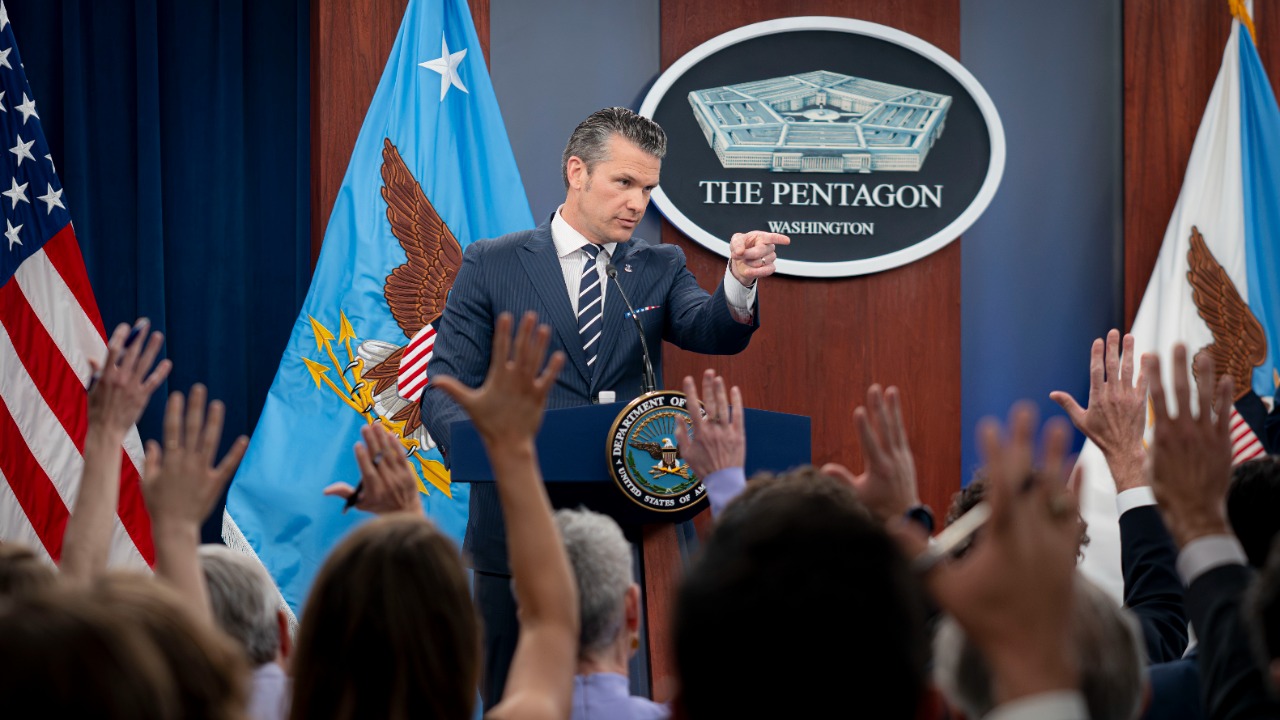
According to U.S. military statements, the latest action involved a small vessel in the Eastern Pacific that American officials described as a suspected narco boat. On Jan. 23, at the direction of Pete Hegseth, Joint Task Force Southern Spear carried out what it called a lethal kinetic strike on the craft, which was accused of trafficking drugs toward North America. The strike destroyed the vessel, killed two people on board, and initially left one survivor in the water, a sequence that matches details reported in a separate timeline of earlier incidents in the Pacific. Officials have framed the operation as a precise use of force against designated narcoterrorists, consistent with the language used to justify previous attacks on similar targets.
U.S. Southern Command later confirmed that the engagement was the first known strike of the year on an alleged drug boat and that it took place in the same broad Eastern Pacific corridor where earlier operations had occurred. Reporting on a related incident in the region described how a suspected narco craft was hit, leaving two dead and one person rescued after impact, which aligns with the casualty pattern now acknowledged by the Pentagon. The command has emphasized that such missions are coordinated with naval and Coast Guard assets, including surveillance platforms and surface ships that can move in to search for survivors after a strike, a role consistent with the broader responsibilities outlined by the U.S. Coast Guard.
A campaign shaped by Operation Southern Spear
The new strike is not an isolated event but part of a campaign that began when President Trump authorized maritime attacks on alleged traffickers under Operation Southern Spear. In early phases of that effort, Trump announced that the Navy had carried out an airstrike in the Caribbean on a boat from Venezuela, marking a sharp escalation in how Washington pursued suspected drug smugglers at sea. Since then, U.S. forces have treated certain vessels as legitimate military targets, arguing that they are crewed by narcoterrorists moving cocaine and other contraband toward U.S. shores. The latest Eastern Pacific operation, ordered by Pete Hegseth and executed by Joint Task Force Southern Spear, fits squarely within that framework.
Over time, the campaign has expanded beyond small go‑fast boats to include seizures of larger sanctioned oil tankers with connections to Venezuela, reflecting a broader pressure strategy against networks that Washington links to the drug trade. A running timeline of U.S. strikes notes that a previous attack in the Pacific killed two people on impact and left one survivor, a pattern that has now repeated in the first 2026 operation. U.S. Southern Command has also acknowledged additional strikes in the Pacific region following pauses of several weeks, underscoring that the program has become a recurring tool rather than a one‑off response.
Rising death toll and legal backlash
The cumulative human cost of these maritime attacks has grown steadily, and the new strike arrives against that backdrop. Recent tallies put the death toll from U.S. strikes on alleged drug boats at 126 people, a figure that includes crew members killed outright and those who later died after being pulled from the water. In several cases, the Coast Guard has been dispatched to search for survivors, highlighting the uneasy blend of combat operations and rescue missions that now defines parts of U.S. maritime enforcement. The latest Eastern Pacific strike, which again left one survivor after two deaths, adds to that toll and reinforces concerns about how many of those killed were actually high‑value traffickers rather than low‑level crew or misidentified mariners.
Families of some of the dead have begun to challenge the program in U.S. courts, arguing that their relatives were fishermen or small‑time couriers who did not pose an imminent threat. In a landmark federal lawsuit, relatives of men killed in an earlier attack contend that the government carried out extrajudicial killings in violation of both U.S. and international law. Government lawyers have responded by stressing that the October 14th strike at the center of that case targeted designated narcoterrorists bringing deadly poison to U.S. shores, a language echoed by spokesperson Anna Kelly in defending the operation. The new Eastern Pacific strike, which follows the same pattern of remote targeting and lethal force, is likely to feature prominently as judges and lawmakers assess whether the campaign rests on a sound legal footing or stretches wartime authorities too far.
Strategic impact and regional fallout
Even as the United States continues to hit suspected drug boats, evidence that the campaign is significantly reducing cocaine flows remains limited. Reporting from coastal communities in Colombia and along other trafficking corridors suggests that, despite dozens of strikes, the overall volume of cocaine moving north has not dropped in a sustained way. One detailed account described how Colombian fishermen now operate in constant fear that their small wooden boats could be mistaken for smuggling craft, with livelihoods under threat and little clarity about how targeting decisions are made. That sense of vulnerability is likely to deepen after the latest Eastern Pacific strike, which again involved a small vessel far from shore.