
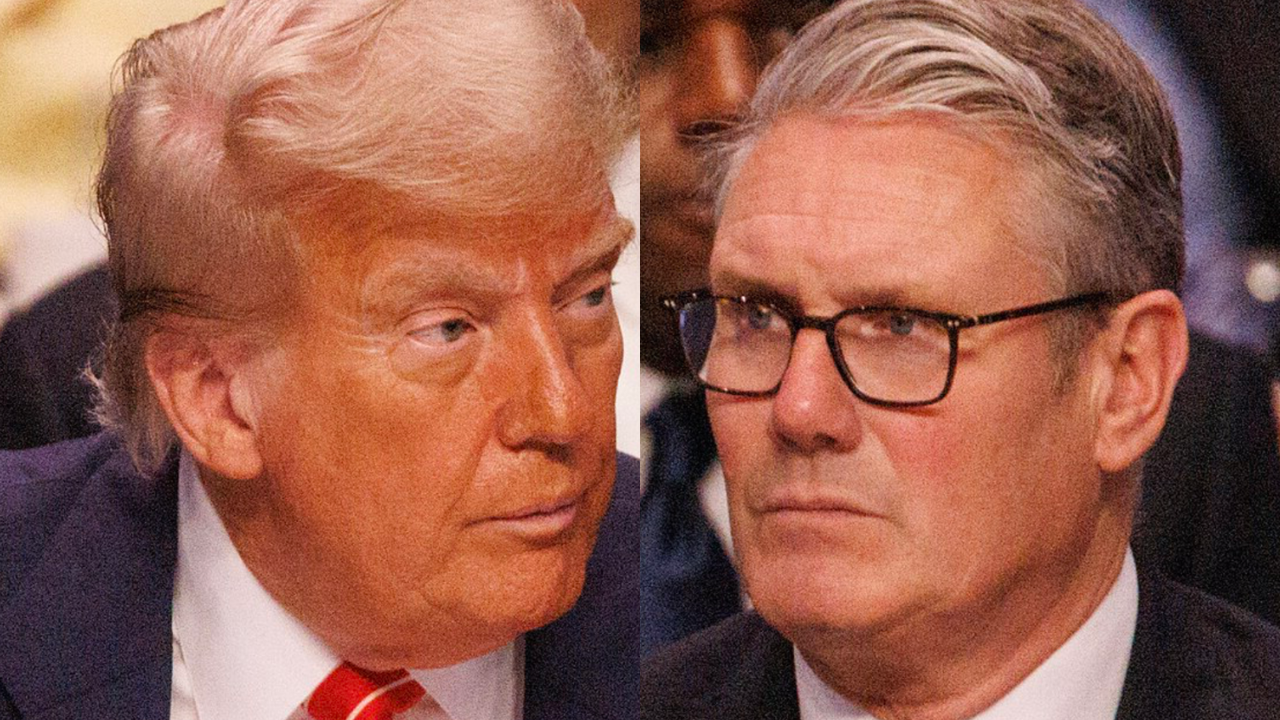
President Trump predicted on June 21, 2026, that British Prime Minister Keir Starmer would step down, posting on Truth Social hours before Starmer was expected to address the political crisis engulfing his government. “Keir Starmer will resign as Prime Minister of The United Kingdom,” Trump wrote. “He failed badly on two very important subjects- IMMIGRATION AND ENERGY (OPEN NORTH SEA OIL!). I wish him well! President DJT.” CBS News reported that Starmer had not shared any details about his plans before Trump’s post, and Downing Street has said the two leaders have not spoken recently.
What Triggered the Crisis
The pressure on Starmer intensified after Labour’s Andy Burnham, the outgoing mayor of Greater Manchester, won a special election in the Makerfield constituency in northwest England on June 18. Burnham won nearly 55 percent of the vote, defeating the Reform UK candidate by more than 9,000 votes. The victory returns Burnham to Parliament and positions him as the leading contender to challenge Starmer for leadership of the Labour Party. In his victory speech, Burnham declared, “Everyone knows that politics isn’t working. Everyone can feel that the country isn’t where it should be. Tonight could, just could, be the turning point.”
Business Secretary Peter Kyle said Sunday that Starmer was “making time to reflect on the political realities, challenges and opportunities that he finds himself in,” after what Kyle described as a “frank” conversation with the prime minister on Friday. British newspapers, including The Observer and the Sunday Telegraph, reported over the weekend that Starmer was expected to announce a resignation timetable as early as Monday, the same day Burnham is set to be sworn in as a member of Parliament. More than 100 Labour MPs were reported to have urged Starmer to step aside, including, according to Al Jazeera, Foreign Secretary Yvette Cooper.
Starmer’s Public Position
Despite the pressure, Starmer has publicly insisted he intends to remain in office. “I will run, I will stand,” if there is a Labour leadership contest, Starmer said after congratulating Burnham on his win. “I’ve said repeatedly I’m not going to walk away from that.” At a cabinet meeting, Starmer told colleagues, “Everyone knows that politics isn’t working. Everyone can feel that the country isn’t where it should be,” according to the CBC’s reporting on the meeting.
Starmer spent the weekend at Chequers, the official country residence used by British prime ministers, with his family, giving no public indication of his decision. He posted a Father’s Day message on X that did not address the political crisis: “Being a dad is my greatest joy. Today, I’m thinking about my dad, and the father I am to my children because of him.” Not everyone in his party agreed he still had the standing to continue. Charlie Falconer, a senior Labour member of the House of Lords, said Saturday that Starmer has “absolutely no authority” left and called for “an agreed transition process in which Andy and Keir cooperate as to when the handover should take place.”
Background on Starmer’s Decline
Starmer led Labour to a landslide general election victory in July 2024 but has seen his popularity collapse since. YouGov polling found by January 2026 that 75 percent of the British public held an unfavorable opinion of Starmer, a net favorability rating of negative 57 — matched in modern British politics only by Liz Truss, the shortest-serving prime minister in UK history. Labour lost control of 35 councils and nearly 1,500 council seats in the 2026 local elections, and the party suffered a historic defeat in Wales, ending 100 years of Labour control there.
CBS News reported that Starmer has struggled to deliver promised economic growth, repair public services, or ease the cost of living, and has been hampered by repeated missteps, including his decision to appoint Peter Mandelson — a longtime associate of Jeffrey Epstein — as the UK’s ambassador to the United States, a controversy that contributed significantly to his declining standing. Labour has also lost support to the Green Party on its left flank while facing a surging Reform UK, the right-wing, anti-immigration party led by Nigel Farage that has consistently led national polling.
How a UK Leadership Change Would Work
Unlike a U.S. presidential transition, a change in British prime ministers does not require a general election. CBS News explained that political parties in the UK can replace their leaders, including a sitting prime minister, at any time if enough party members lose confidence in them, even without a national vote being called. The reigning party remains in government regardless of who leads it, with UK law only requiring that a general election take place at least once every five years. If Starmer were to step down, it would mark the UK’s seventh prime minister in a decade.
Trump’s Pattern of Criticism
Trump’s post continues a pattern of public criticism he has directed at Starmer over immigration and energy policy specifically. Trump has repeatedly urged the UK to lift its ban on new North Sea oil and gas exploration licenses, a policy central to Labour’s “Energy Independence Bill” and its broader strategy of prioritizing renewable energy and nuclear power. Trump has previously described the North Sea as a “gold mine” the UK is “wasting” by declining to expand drilling. He has also criticized Starmer’s handling of immigration, a recurring flashpoint for the Labour government amid Reform UK’s rise in the polls.
Trump has at times gone further than policy criticism, previously questioning Starmer’s broader leadership and suggesting the British leader was insufficiently supportive of recent U.S. military action in the Middle East. The president has periodically commented on UK domestic politics throughout his second term, a departure from the traditional practice of American presidents refraining from directly weighing in on the internal leadership matters of allied governments.
What Comes Next
As of Trump’s post Sunday morning, Starmer had not made any formal announcement about his future, and Downing Street had not confirmed the reports of an imminent resignation. The question facing Labour, according to the CBC’s reporting, is whether Burnham would face a leadership coronation or a contested challenge if Starmer does step aside, with Health Secretary Wes Streeting, who resigned from Starmer’s Cabinet in May, also having said he would enter a leadership contest if one were called.
Burnham is scheduled to be formally sworn in as a member of Parliament on Monday, the same day British media outlets reported Starmer could announce his own resignation timetable. Neither outcome had been confirmed by official UK government sources as of Sunday afternoon.