
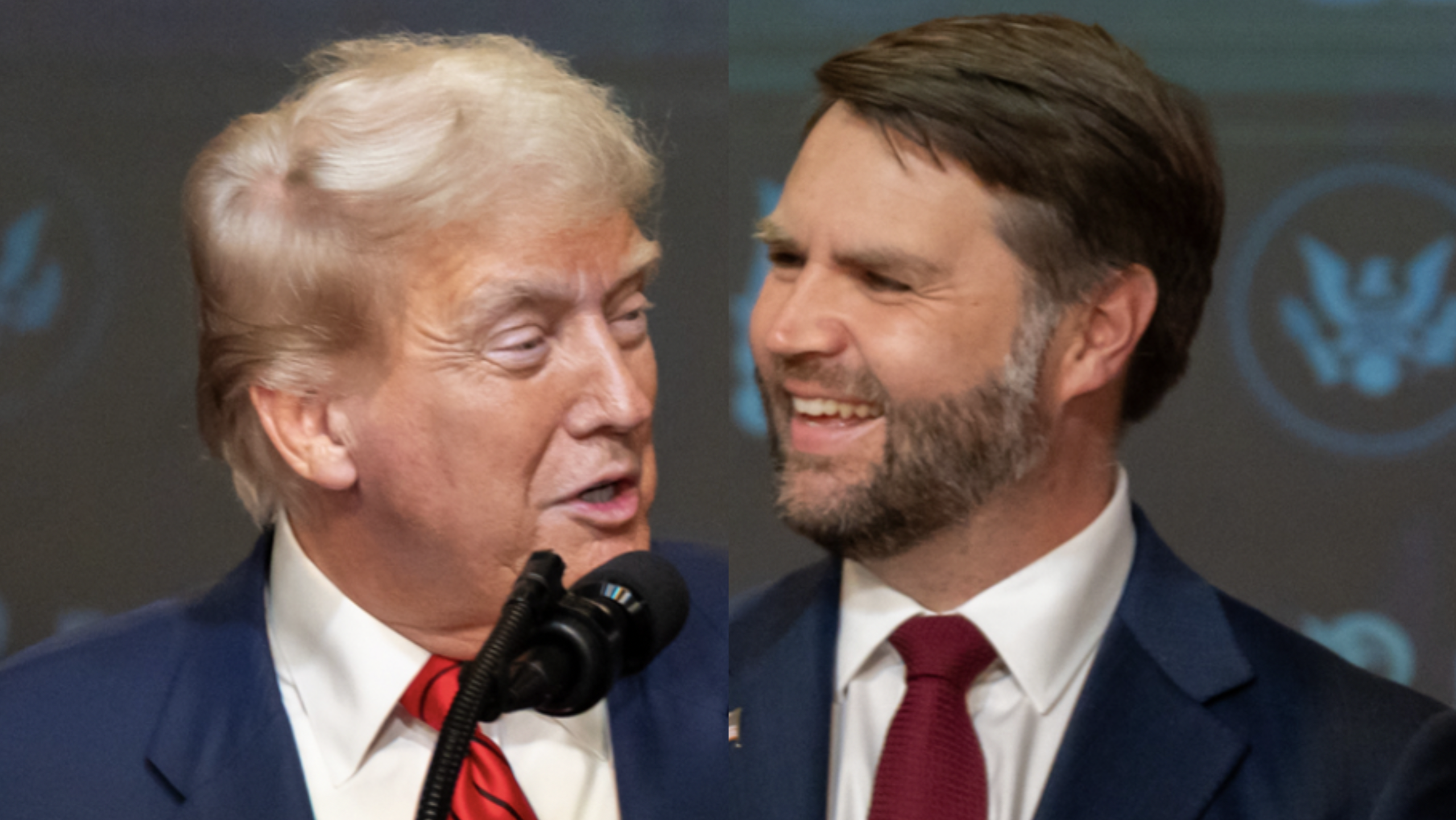
WASHINGTON — The United States and Iran have signed a memorandum of understanding to bring a near four-month war to a close, with President Donald Trump and Vice President JD Vance digitally executing the document alongside Iranian Parliament Speaker Mohammad Bagher Ghalibaf on Sunday, senior U.S. officials confirmed Monday. A formal signing ceremony is scheduled for Friday, June 19, in Switzerland, with shipping traffic through the strategically vital Strait of Hormuz already beginning to move again for the first time since the conflict erupted.
Trump announced the breakthrough in a post on Truth Social on Sunday, declaring the agreement reached in characteristically direct terms. “The Deal with the Islamic Republic of Iran is now complete,” Trump wrote. “Congratulations to all! I hereby fully authorize the toll free opening of the Strait of Hormuz, and, simultaneously herewith, authorize the immediate removal of the United States Naval blockade. Ships of the World, start your engines. Let the oil flow!”
A Digital Signature Before a Formal Ceremony
Vice President Vance confirmed Monday morning during an interview on ABC’s Good Morning America that the memorandum had already been executed. “We already signed the deal digitally yesterday,” Vance said. A senior U.S. official, speaking on the condition of anonymity during a subsequent phone briefing with reporters, confirmed that both Trump and Vance had digitally signed the document, with Ghalibaf signing on behalf of Tehran. The text of the memorandum has not been publicly released by the U.S. or Pakistani negotiators, and the formal signing ceremony was not expected until later in the week.
Vance also addressed what he described as misreporting about the agreement’s contents, saying the deal broadly “ensures that Iran will never have a nuclear weapon, while simultaneously opening the Strait of Hormuz.” He also warned that frozen Iranian assets and sanctions relief would not be released until Iran meets its obligations under the agreement. No money for Iran has been released since the deal was digitally signed on Sunday, Vance said.
Pakistan’s Role and the Signing Ceremony
Pakistani Prime Minister Shehbaz Sharif, who played a key mediating role in the negotiations, was among the first to confirm the deal, stating that “both sides have declared the immediate and permanent termination of military operations on all fronts, including in Lebanon.” Sharif confirmed the formal signing ceremony will take place Friday in Switzerland. Vice President Vance, Trump’s son-in-law Jared Kushner, and U.S. special envoy Steve Witkoff are all expected to attend.
Trump personally signed the deal, a senior official said, “because he wanted to show his dedication to the process and dedication to seeing this through to a successful resolution.” Another senior official added that Vance had developed pre-established relationships with key mediators that proved instrumental during the final stages of negotiations, and that Vance’s involvement allowed the two countries to open direct discussions at higher levels of government.
The Strait of Hormuz and the Naval Blockade
The memorandum calls for the immediate opening of the Strait of Hormuz, although U.S. officials cautioned it would take some time to fully reopen the vital shipping lane, noting the presence of sea mines in the strait and varying risk tolerances among shipping companies and nations. A senior U.S. official, speaking anonymously at a briefing with reporters, said traffic was already beginning to increase. “You will see significant increase in traffic in the Strait of Hormuz, actually starting already, and that will ramp up slowly over time,” the official said. “We probably won’t return to normal in two weeks, but we will see a significant increase in strait traffic.”
Iran has effectively controlled the Strait of Hormuz since shortly after the war began on February 28, virtually shutting down the vital passage for roughly 20 percent of the world’s oil. The U.S. blockaded Iranian ports in response. Trump said in a later Truth Social post that the channel would open “upon the signing of the Deal on Friday, for purposes of mine removal.” A U.S. military advisory note issued Monday confirmed the blockade of Iranian ports remains in effect pending completion of the formal ceasefire agreement scheduled for June 19.
The Framework of the Agreement
The memorandum declares the immediate and permanent cessation of the war on all fronts, including in Lebanon, and commits both parties to refrain from threatening or using force against each other. It further stipulates that Iran and the United States will respect each other’s sovereignty and territorial integrity and refrain from interfering in each other’s internal affairs.
Under the agreement, Iran and the United States will hold negotiations and reach a final agreement within 60 days, a timeframe that may be extended with the consent of both parties. Iranian officials and sources close to the talks have said the agreement initiates a 60-day negotiation period focused on Iran’s nuclear program and other contentious issues. The thorniest elements — including the ultimate disposition of Iran’s nuclear enrichment activities and the lifting of U.S. oil sanctions — have been deferred to that subsequent phase.
Iran’s Reaction and Nuclear Questions
Iran’s Deputy Foreign Minister Kazem Gharibabadi, quoted by Iranian state media on Telegram, signaled that Tehran views the agreement as a victory. Iranian Foreign Minister Abbas Araghchi said a meeting between the two sides’ negotiating teams was expected to take place Friday, “likely in Switzerland,” during which the memorandum would be formally signed, followed by the first round of subsequent negotiations. Araghchi added that Iran’s economy should not make itself dependent on or tied to economic agreements through negotiations with the United States.
The issue that triggered the broader conflict — Iran’s reported advance toward nuclear weapons capability — remains unresolved under the current framework. The question of Iran’s nuclear program becomes the subject of technical talks only after the memorandum is signed on Friday. U.S. officials have emphasized that the deal’s structure is contingent on those future negotiations producing a lasting resolution on enrichment.
How the War Began
The conflict formally began on February 28, when joint U.S. and Israeli strikes targeted Iran, disrupting roughly 20 percent of global oil shipments that pass through the Strait of Hormuz and contributing to higher energy prices worldwide. The war followed earlier hostilities between Israel and Iran that had included a separate Israeli operation, known as Operation Rising Lion, roughly a year prior. The combined military campaign killed thousands and convulsed global energy markets for months, with the Strait’s closure sending oil prices sharply higher.
International Response
United Nations Secretary-General António Guterres described the agreement as a “critical step” toward resolving the war in the Middle East. UK Prime Minister Keir Starmer said he was ready to aid further technical talks between the U.S. and Iran, and expressed hope that the reopening of the Strait of Hormuz would stabilize energy markets. Turkish President Recep Tayyip Erdoğan welcomed the agreement, writing that he views it as “an important development for establishing peace and tranquility in our region” and pledging that Turkey would “continue to support all efforts aimed at establishing peace, stability, and tranquility.”
China commended the agreement and expressed appreciation for Pakistan’s mediation role. Kuwait issued a “warm welcome” for the memorandum and also commended the contributions of Pakistan and Qatar in “bridging viewpoints and creating the conditions for reaching this important understanding.” While the reaction from most nations was one of relief, Israel — which was not included in the negotiations — stated it would not be bound by the terms of the Iran deal.