
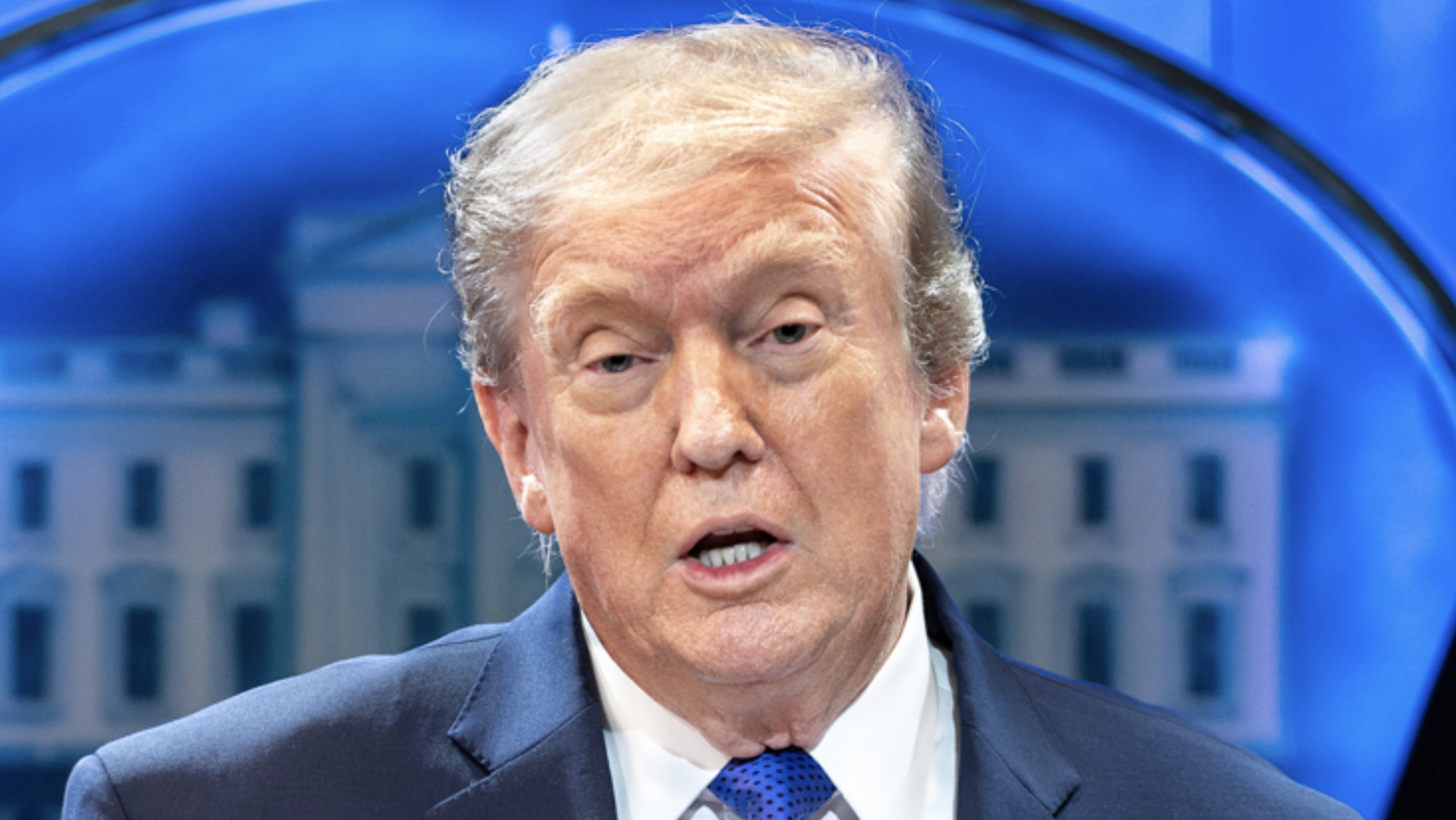
President Donald Trump said the military campaign against Iran has resulted in a fundamental shift in the country’s leadership structure, describing the outcome as a form of regime change following the systematic elimination of senior officials. His remarks framed the conflict not only as a battlefield victory but as a direct dismantling of Iran’s longstanding governing hierarchy.
When asked about ongoing contacts inside Iran, Trump described repeated strikes targeting leadership figures and the resulting instability within the regime. “I hate to say it, but we killed all their leadership and then they met to choose new leaders and we killed all of them and now we have a new group and we can easily do that. But let’s see how they turn out,” he said.
Trump on Iran: We really had regime change. This is a change in the regime because the leaders are all different. I think we can say this is regime change. pic.twitter.com/2hPOeMERR5
— Acyn (@Acyn) March 24, 2026
He characterized the outcome as a clear break from the leadership structure that had been in place for decades. “It’s we have really regime change. This is a change in the regime because the leaders are all very different than the ones that we started off with that created all those problems,” Trump said, pointing to the cumulative effect of strikes against senior officials.
The campaign, carried out under Operation Epic Fury beginning February 28, 2026, targeted Iran’s command and control structure alongside broader military infrastructure. The strikes resulted in the deaths of more than 40 senior Iranian officials across military, intelligence, and political leadership, including Supreme Leader Ali Khamenei, who was killed in an airstrike in Tehran. Additional high-ranking figures eliminated included top commanders of the Islamic Revolutionary Guard Corps, senior defense officials, intelligence leadership, and key members of Iran’s national security apparatus.
Among those killed were Mohammad Pakpour, commander of the IRGC; Abdolrahim Mousavi, chief of the general staff of the armed forces; and Aziz Nasirzadeh, minister of defense. Multiple intelligence officials and senior figures tied to internal security and military coordination were also killed in successive strikes in late February and throughout March, significantly degrading the regime’s ability to maintain continuity of leadership.
The scale and repetition of these strikes created ongoing disruption within Iran’s governing structure, as replacement figures were reportedly targeted shortly after assuming roles. This pattern contributed to what Trump described as the emergence of an entirely new leadership group, distinct from the officials who had led the country since the 1979 Iranian revolution.
Trump’s comments reflect the broader impact of the campaign on Iran’s political system, where the loss of top leadership and repeated targeting of successors has raised questions about the regime’s long-term stability. While new figures have begun to emerge, the extent to which they can consolidate control remains uncertain amid continued military pressure and ongoing negotiations.