
A glamorous Russian former teacher is at the centre of disturbing allegations that she has been recruiting foreign men to fight in Ukraine, then destroying their documents when they try to walk away. The story that emerges from those who say they were deceived is not one of informed enlistment, but of manipulation, coercion and the calculated use of social media to feed Russia’s war machine. I see in their accounts a stark warning about how easily personal ambition, poverty and online propaganda can be fused into a pipeline that ends at the front line.
The woman at the centre of the allegations
The figure tying these accounts together is Polina Alexandrovna Azarnykh, described as a stylish former educator who has reinvented herself as a wartime fixer. I understand that she is presented online as a worldly guide who can open doors in Russia, yet those who dealt with her say she used that persona to draw them into contracts they barely understood. One report identifies Polina Alexandrovna Azarnykh as being 40, a detail that underlines how she straddles two worlds, old enough to have built a respectable career, yet young enough to curate a seductive digital image that resonates with younger men looking for opportunity.
Her role, as described by several foreign recruits, is not that of a distant bureaucrat but of a hands-on broker who chats directly with would-be fighters, arranges travel and promises quick money for service on the front. Accounts of her activity place her squarely in the ecosystem of Ukraine Telegram channels that have become informal recruitment hubs during the Ukraine war. I find it significant that her name surfaces repeatedly in testimonies from different countries, which suggests a structured effort rather than a one-off misunderstanding, even as she rejects the allegations when approached.
How foreign men are drawn in
The pattern that emerges from the testimonies is depressingly familiar. Men from poorer backgrounds, including Untrained African recruits and Middle Eastern migrants, describe being contacted through messaging apps and gaming communities, then funnelled into private chats where the tone shifts from friendly banter to hard sell. I see a deliberate strategy at work: first, establish trust with flattery and shared grievances, then introduce the idea of a short, lucrative contract in Russia that will supposedly transform their lives. The promise is not framed as mercenary work, but as a respectable job with clear terms, regular pay and the chance to support families back home.
One investigation into how foreign men are enticed to Russia details how recruiters highlight fast-track visas, signing bonuses and the prospect of citizenship, while downplaying the reality of trench warfare. I note that the language used in these chats leans heavily on the idea of brotherhood and honour, which can be especially potent for men who already feel marginalised in their own countries. By the time flights are booked and contracts are placed in front of them, many recruits say they feel too invested, or too ashamed, to back out, even when the fine print is in Russian and barely explained.
From promises to burned passports
The most chilling element in these accounts is what happens when recruits try to leave. One Syrian man, identified as Omar, describes how his initial enthusiasm turned to fear once he reached Ukraine and realised the fighting was far more intense than anything he had been led to expect. He says the contracts were extended without his clear consent and that promised top-up payments did not materialise. When he pushed back and asked to go home, he recounts being met not with negotiation but with rage. In his telling, the woman who had once reassured him over voice notes now treated him as a liability rather than a human being.
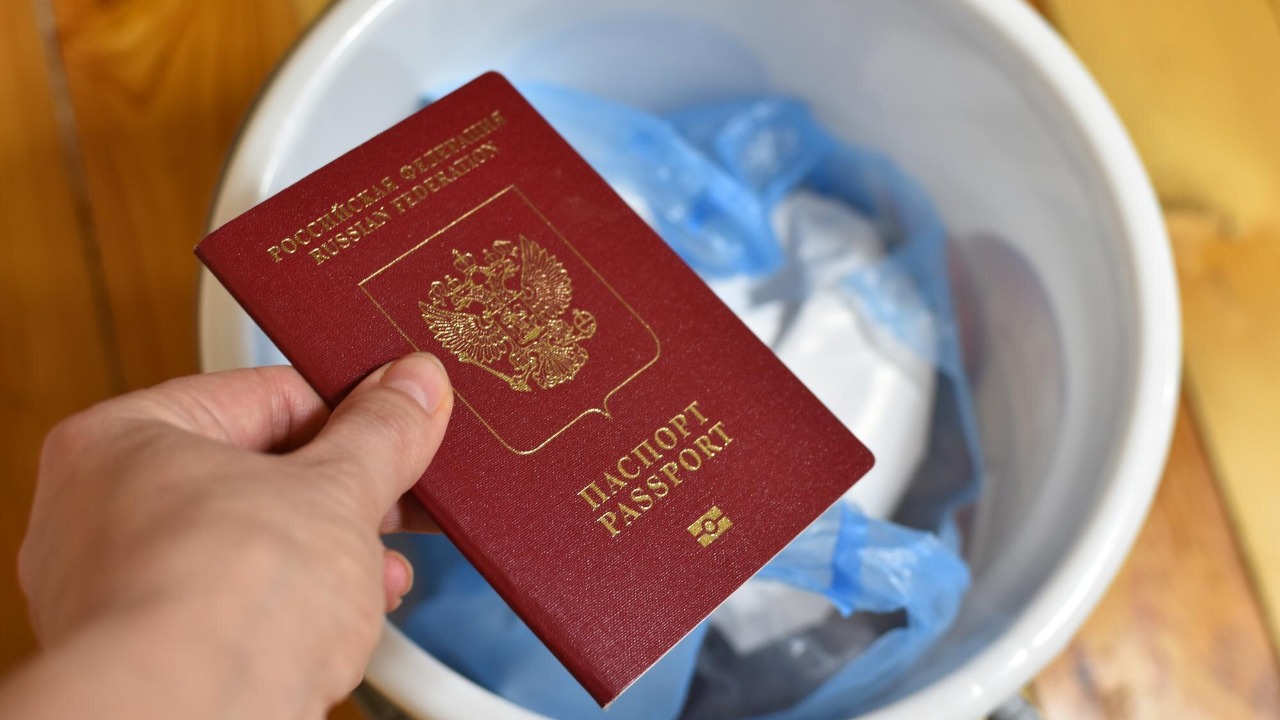
Omar’s most searing memory is of watching his own passport burn. He recalls flames licking the edges of the document as it was set alight, a moment that symbolised the erasure of his exit route and, in a sense, his identity. In his account, the person responsible for that act was the same recruiter who had arranged his journey, a claim echoed in a separate report that describes how she allegedly responded to a foreign fighter’s attempt to quit by burning his passport. I read that detail as more than a cruel gesture. It is a method of control that traps men in a war zone by stripping them of the documents they need to cross borders or seek consular help.
Information warfare and denials
These allegations do not exist in a vacuum. They sit within a broader information battle in which Russia seeks to project strength while obscuring the true cost of its campaign in Ukraine. A detailed inquiry into how one woman lures foreign recruits to the front line sets out a chain of chats, contracts and travel arrangements that, taken together, look less like ad hoc help and more like a recruitment pipeline. When confronted with these findings, the woman at the centre, identified as a recruiter in Senior investigative reporting, rejects the accusations and insists she is simply assisting men who freely choose to fight. I note that this denial is itself part of the narrative struggle, casting her as a facilitator of agency rather than a manipulator of desperation.
Other accounts, including one by Naval al-Maghafi, BBC Njuz correspondent, and Sheida Kiran, trace Omar’s journey from first contact to the moment his passport burned and place it within a wider pattern of foreign recruitment linked to Telegram channels. I find their reconstruction of events compelling because it aligns with separate reporting that shows how Putin loyalists and intermediaries use social platforms to reach men far beyond Russia’s borders. A related investigation into how one woman lures foreign men to fight on But the front line reinforces that sense of a system that feeds on economic vulnerability and legal naivety. As I weigh these overlapping narratives, I am left with a stark impression: in this shadowy marketplace of war, the passport is both bait and leash, and those who hand it over may find it reduced to ash the moment they try to reclaim their freedom.