
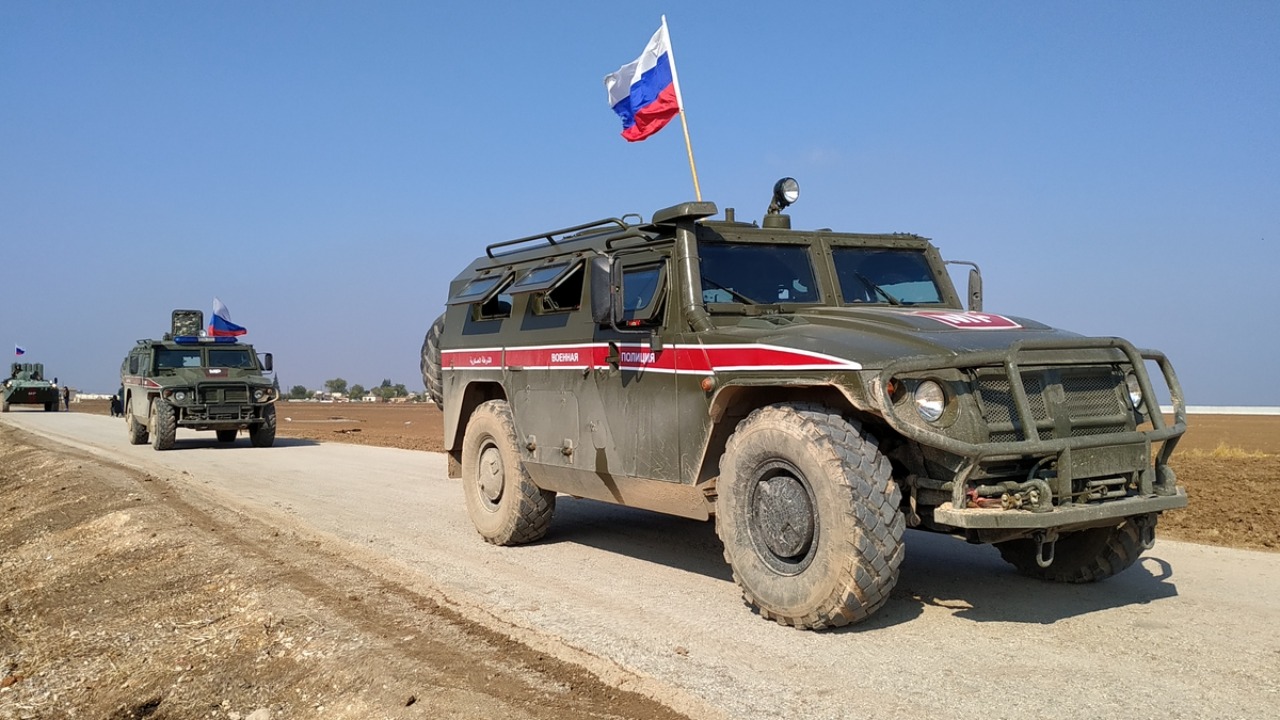
Russia has begun a quiet but consequential pullback from the Qamishli airfield in northeast Syria, loosening a military foothold that has shaped the balance of power along the Turkish and Iraqi borders. The phased withdrawal from this mixed civilian and military airport signals a recalibration of Moscow’s posture in the Syrian conflict and raises fresh questions about who will fill the vacuum. For local actors, from Kurdish-led forces to the Syrian government and United States troops, the shift could redraw front lines without a single shot being fired.
Initial reports from the ground describe Russian units packing equipment, loading vehicles, and flying personnel out of the base after years of entrenchment. The move comes as President Vladimir Putin faces mounting pressures on other fronts and as Damascus tests how far it can push to reclaim direct control over territory that had been managed through uneasy arrangements with foreign militaries. What looks like a logistical redeployment may, in practice, mark the start of a new phase in the long war in Syria.
Qamishli airfield and the start of a phased Russian exit
Russian forces have used the Qamishli airfield, in the far northeast corner of Syria, as a hub for operations near the borders with Turkey and Iraq, projecting influence deep into Kurdish-held territory. According to multiple accounts, Russia has now started withdrawing troops and equipment from this airport, with personnel and materiel flown out in military transport aircraft and some convoys heading toward other positions. Reports describe a gradual process, with two of the sources on the ground saying the pullout began last week and that some of the forces were expected to redeploy to other bases that Moscow considers safe.
The drawdown is not a hasty retreat but a structured disengagement that appears to follow a plan coordinated with both Syrian authorities and Russian command. One detailed account notes that Russia has begun pulling forces from a base in northeast Syria, with aircraft and helicopters leaving Qamishli and some units moving toward the coastal stronghold of Hmeimim airbase. Another report specifies that Russia is withdrawing forces from Qamishli airport in northeast Syria as the Syrian government seeks to reassert control, suggesting that the move is part of a broader political and military realignment rather than a narrow tactical adjustment.
Elite units, redeployments, and Moscow’s overstretched posture
One of the most striking elements of the pullback is the reported departure of an elite Russian unit from Qamishli Air, a sign that Moscow is willing to thin out some of its most capable forces in this theater. Local reporting indicates that Russia pulls “elite in a phased withdrawal from Syria’s Qamishli Air, with the process coordinated with both the Syrian and United States sides that operate in overlapping zones nearby. This suggests that the Kremlin is trying to avoid accidental clashes as it reshuffles its footprint, even while it reduces the deterrent effect that such high-end troops once provided along contested highways and oil fields.
The strain on Russian resources is visible beyond Qamishli, with reports of broader military retrenchment linked to the demands of other conflicts and domestic pressures. One analysis describes how an overwhelmed Putin starts from a key region, including the El-Qaim area that has supported Moscow’s air operations in Syria, highlighting the cumulative burden on Russian forces. A separate account notes that some of the troops leaving Qamishli are expected to reinforce other locations, underlining that the Kremlin is prioritizing certain fronts while accepting greater risk in Syria’s northeast.
Damascus, Kurdish forces, and the contest for northeast Syria
The Russian drawdown intersects with a renewed push by the Syrian government to tighten its grip on territory long administered by Kurdish-led authorities under the umbrella of the Syrian Democratic Forces. One report notes that Russian forces pull back as the Syrian government advances, with convoys heading from Hasakah province toward Hmeimim airbase on the Mediterranean coast. This movement reduces the buffer that Russian troops once provided between Syrian government units, Kurdish formations, and Turkish-backed factions, increasing the risk that local rivalries will sharpen as each side tests the new limits.
Damascus has also been reassessing the broader framework of foreign military presence on its soil. Earlier, the new Syrian government terminated the treaty that had allowed a long-term Russian presence at the Tartus naval base, and a follow-up account notes that on 22 January 2025, the Syrian authorities ended that agreement, and by early February, Russian forces had abandoned equipment at the site, leaving the future of the facility in doubt. A related entry on the same topic records that Syrian and Russian arrangements over Tartus have been fundamentally altered, underscoring how the Qamishli withdrawal fits into a wider pattern of renegotiated access and influence as Syria’s leadership seeks more direct control over strategic infrastructure.
Regional stakes and what comes after Qamishli
The quiet exit from Qamishli is not occurring in isolation but as part of a broader recalibration of Russia’s role in the Middle East and its capacity to sustain far-flung deployments. Background on Russia as a global military actor highlights how its commitments in Ukraine and other theaters have stretched manpower and logistics, making peripheral bases more vulnerable to cuts. At the same time, the Syrian conflict remains unresolved, with Syria still fragmented between government, Kurdish, Islamist, and foreign-backed zones, so any Russian retrenchment can quickly ripple across front lines. One detailed briefing notes that last week, Kommersant cited a Syrian source as saying that Damascus could soon ask Russia to leave other bases as well, suggesting that Qamishli may be only the first of several adjustments.