
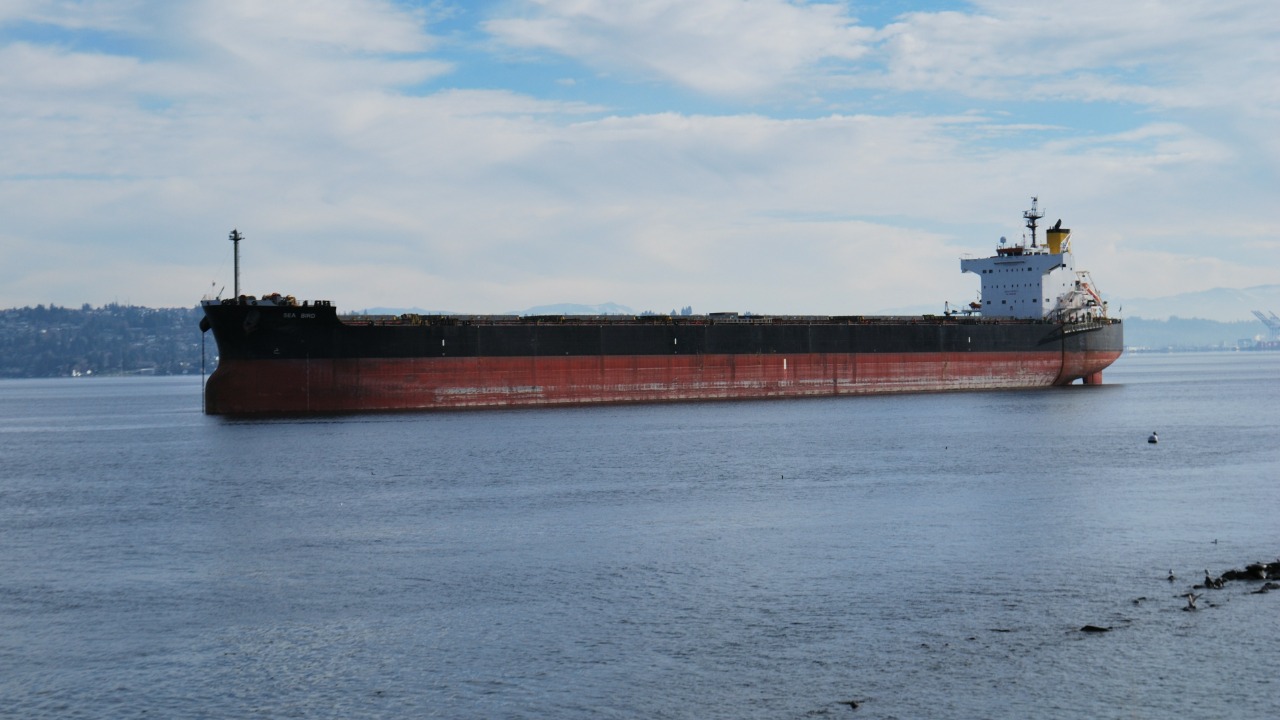
Russia has now conceded that its naval forces cannot reliably shield its shadow oil fleet from interception on the high seas, a rare public admission of vulnerability in a sector that funds its war and props up its sanctions-hit economy. That acknowledgment collides with a surge in Western seizures of Russian-linked tankers and exposes the limits of Moscow’s ability to defend the opaque logistics that keep its crude flowing.
As I see it, the admission is more than a technical detail about ship deployments. It is a strategic confession that Russia’s blue-water reach no longer matches its geopolitical ambitions, and that the shadow fleet it built to dodge sanctions is exposed to pressure from the United States and its allies.
Russia’s reluctant confession of naval limits
Russia has now publicly accepted that its Navy cannot guarantee the safety of oil tankers that carry its crude under foreign flags and complex ownership structures. Russian military analysts have acknowledged that the fleet lacks the reach and escort capacity to protect these vessels once they leave coastal waters and enter contested sea lanes, especially where the United States is willing to act. That reality is reflected in reports that Russia has admitted its navy’s inability to protect oil tankers from the US, and that Russian experts now speak openly about this gap.
Pro-Kremlin commentators have gone further and described why the Navy cannot provide continuous cover for commercial shipping that operates far from Russian bases. They point to limited numbers of modern surface ships, stretched deployments, and the risk that any direct confrontation with Western forces would escalate beyond a simple interdiction. Their analysis underlines that Why Russia cannot protect its oil tankers is rooted in structural weaknesses, not just tactical choices, and that the Kremlin’s own information ecosystem is now airing those concerns.
Shadow fleet meets Western enforcement
The admission comes as the United States intensifies action against the so-called shadow fleet that moves Russian oil outside the formal sanctions regime. Western officials have targeted tankers that rely on obscure ownership chains, older hulls, and opaque insurance, arguing that these ships are vulnerable to both legal action and physical seizure. According to British reporting, The US has increased action against shadow fleet vessels, with five tankers seized in recent weeks, a pace that signals a deliberate campaign rather than isolated incidents.
Russian anger has been sharpened by the seizure of a Russian-flagged oil tanker in the North Atlantic, which Moscow has denounced as a hostile act. Officials have argued that Russia has sharply rejected the US seizure of a Russian-flagged oil tanker in the North Atlantic, calling it a violation of international norms and a direct attack on its economic interests. Yet the same officials now concede that the Navy cannot reliably prevent similar operations, which leaves the shadow fleet exposed to a mix of legal, financial, and physical pressure that it was designed to evade.
Legal arguments, military realities
In public, Russian diplomats have framed the tanker seizures as a legal dispute rather than a test of naval strength. They insist that freedom of navigation on the high seas is guaranteed under the 1982 United Nations Convention on the Law of the Sea and that Washington is abusing sanctions to justify interdictions. Moscow has cited the Convention on the Law of the Sea to argue that the seizure of a Russian-flagged vessel is a violation of maritime law and that the ship had a valid permit to sail in international waters.
Behind that legal posture, however, Russian military voices are more candid about the balance of power. Analysts cited by Russia focused on the Navy have admitted that the fleet cannot protect tankers from foreign attack or boarding operations far from home ports. Other Russian military analysts and pro-Kremlin media have echoed that Russian forces lack the capacity to challenge US naval and air assets that support these seizures. In effect, Moscow is asserting legal rights it cannot fully enforce at sea, a gap that Western governments appear willing to exploit.
War, sanctions, and a shrinking margin for error
The vulnerability of the shadow fleet cannot be separated from Russia’s wider war effort and the strain on its naval forces. Through the build-up to the invasion of Ukraine and the subsequent conflict, the Through the Russian military campaign, the Navy has been tasked with blockades, missile strikes, and high-profile exercises, all of which consume resources that might otherwise protect commercial shipping. At the same time, Igor Korotchenko, a prominent Igor Korotchenko and Russian military expert who edits the journal National Defense, has warned that the country is irate at US Navy “shadow” tanker seizures and that its options for response are limited without risking escalation.
Sanctions pressure has intensified after Operation Absolute Resolve, a coordinated strike on Venezuela that reshaped global energy flows and triggered the European Union’s eighteenth sanctions package. On January, Operation Absolute Resolve and the measures that followed have pushed more Russian barrels into risky routes that depend on older ships and discreet transfers. In parallel, January 2026 marks peak tension as Russia tries breaking Ukrainians with anomalous frosts and power grid strikes, using missile salvos that further stretch its forces. Even Russian warships and submarine deployments that support that campaign cannot be in two places at once, which leaves tankers more exposed.
Diplomatic fury and global energy stakes
Russian officials have responded to the tanker seizures with fierce rhetoric that contrasts sharply with their quiet military admission. The Foreign Ministry has described the US action as a gross violation of international maritime law and warned that tensions could spike if such operations continue. One statement reported that Russia harshly condemns the US seizure and insists the ship had a permit to sail, while another stressed that sanctions imposed unilaterally by the U.S. and other Western countries are “illegitimate” and cannot serve as a basis for detaining vessels. Russia has also warned of a spike in tensions and hinted at unspecified countermeasures.
Yet the practical balance of power at sea still favors Washington and its partners, and that shapes how far Moscow can go. Reports note that Russia has strongly condemned the US seizure while President Donald Trump and President Vladimir Putin continue to confront each other over Ukraine and energy flows. At the same time, the global oil market is adjusting to new supply patterns, including discoveries in other regions. Most of the undiscovered reserves in Norwegian waters are thought to be in the Most of the Barents Sea, with half of that in areas yet to be opened, which could, over time, reduce reliance on risky shadow shipments. For now, however, Russia’s own admission that its Navy cannot fully protect those tankers has turned a quiet vulnerability into an explicit fault line in the global energy system.