
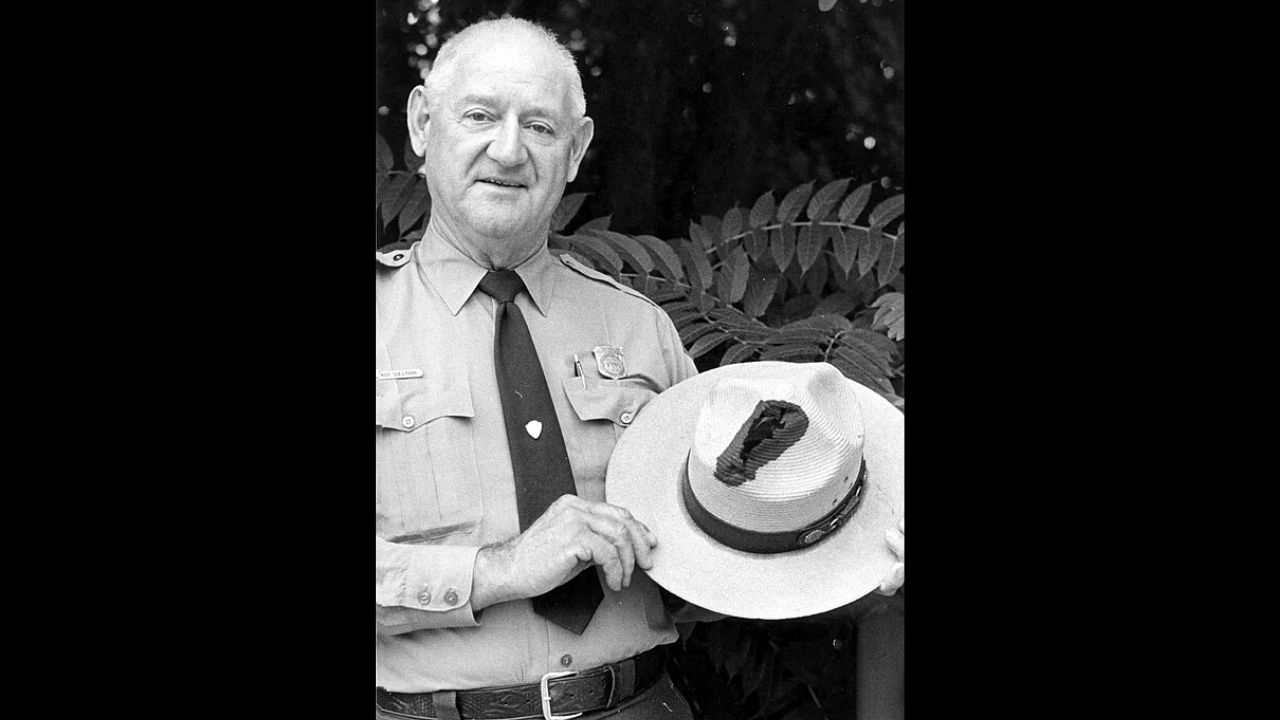
Roy Sullivan, famously known as the “Human Lightning Rod,” was a U.S. park ranger who remarkably survived seven lightning strikes over his lifetime. Despite these terrifying encounters with nature’s raw power, Sullivan remained committed to his duty, safeguarding the natural parks and their visitors. His extraordinary life, marked by resilience and courage, continues to inspire many to this day.
The Life of Roy Sullivan: A Brief Biography
Born on February 7, 1912, in Greene County, Virginia, Roy Sullivan grew up in a rural setting that nurtured his love for the outdoors. This early connection with nature eventually led him to a career as a park ranger, a role he embraced with enthusiasm and dedication. Sullivan began his service with the National Park Service in Shenandoah National Park, where he spent much of his life immersed in the beauty and challenges of the wilderness.
Beyond his encounters with lightning, Sullivan was known for his jovial nature and keen sense of humor. He had a great love for fishing and enjoyed sharing stories of his adventures with friends and family. His relaxed demeanor and approachable personality made him a cherished member of his community, earning him respect and admiration from all who knew him.
Roy was also a devoted family man, deeply involved in the lives of his loved ones. Married to Pat Sullivan, he was a father to four children, whom he adored. His role as a husband and father was fundamental to his identity, and his family was a constant source of strength and support throughout his life. Within his community, Sullivan was seen as a local hero, not only for his resilience but also for his unwavering commitment to the well-being of others.
The Lightning Strikes: Unbelievable Encounters
Sullivan’s first brush with lightning occurred in 1942, while he was stationed in a lookout tower. A fierce storm rolled in, and lightning struck the tower seven or eight times, setting it ablaze. As Sullivan made his escape, a bolt struck his leg, marking the first of many such encounters. Over the years, the strikes continued, each one more improbable than the last. In 1969, he was driving on a mountain road when lightning struck two trees simultaneously, and the bolt jumped to his car, causing a brief fire. Astonishingly, Sullivan walked away with only minor burns.
The science behind Sullivan’s repeated encounters with lightning is as puzzling as it is fascinating. The odds of being struck by lightning once in a lifetime are approximately 1 in 15,300. Yet, Sullivan survived seven strikes, a statistical anomaly that defies explanation. Some experts suggest that his frequent exposure to outdoor environments and specific weather conditions may have played a role. Despite the rarity of these incidents, Sullivan’s story underscores the unpredictable nature of lightning and the need for caution during storms.
The physical and psychological impact of these strikes on Sullivan was significant. He suffered various injuries, including burns, hair loss, and temporary hearing loss. More profound, however, was the psychological toll, as Sullivan reportedly developed a fear of thunderstorms. Nevertheless, he demonstrated remarkable resilience, continuing his work and maintaining a positive outlook on life despite the challenges he faced.
Duty Above All: Sullivan’s Commitment to Park Service
Sullivan’s dedication to his role as a park ranger was unwavering. He approached his duties with a sense of responsibility and an unyielding commitment to preserving the natural beauty of the parks he served. Whether it was guiding visitors, maintaining trails, or responding to emergencies, Sullivan’s work ethic was exemplary. His passion for the environment and its protection was evident in every aspect of his job.
Stories of Sullivan’s heroism and service abound among those who knew him. On one occasion, he bravely led a group of hikers to safety during a sudden storm, prioritizing their welfare over his own. His ability to remain calm under pressure and his resourcefulness in challenging situations earned him the admiration of colleagues and visitors alike. Sullivan’s legacy as a dedicated protector of nature is a testament to his courage and selflessness.
The impact of Sullivan’s experiences extended beyond his immediate circle, influencing those who worked alongside him and the countless visitors he encountered. His reputation as the “Human Lightning Rod” intrigued many, but it was his character and dedication that left a lasting impression. Sullivan’s story served as a reminder of the resilience of the human spirit and the importance of perseverance in the face of adversity.
Public Perception and Media Attention
Sullivan’s remarkable story attracted significant media attention, captivating the public’s imagination. Newspapers and magazines featured his experiences, often portraying him as a figure of intrigue and fascination. His encounters with lightning were covered extensively, and Sullivan became somewhat of a folk hero, with people drawn to his unique story of survival against the odds.
Public perception of Sullivan’s experiences was often colored by notions of luck and superstition. Some viewed him as extraordinarily lucky, having survived incidents that could have easily been fatal. Others saw him as cursed, with the repeated strikes suggesting an inexplicable attraction to lightning. These interpretations varied, reflecting the diverse ways in which people make sense of such improbable events.
Sullivan’s legacy has also found its way into popular culture, with references appearing in books and documentaries exploring human resilience and survival. His story serves as an enduring symbol of the unpredictable power of nature and the tenacity required to face it. While the lightning strikes defined part of his life, it is his enduring spirit and commitment to his work that continue to inspire those who learn about his extraordinary journey.
Legacy of Resilience: Lessons from Sullivan’s Life
Roy Sullivan’s life offers valuable lessons in embracing adversity and demonstrating courage. Despite the repeated challenges he faced, Sullivan maintained an unwavering commitment to his work and his community. His ability to confront fear and continue his duties serves as an inspiration to others, encouraging them to persevere in their own struggles and challenges.
For future generations, Sullivan’s story is a powerful motivator, illustrating the importance of resilience and determination. In a world where adversity is inevitable, his experiences remind us that it is possible to overcome even the most daunting obstacles. Sullivan’s legacy continues to resonate, inspiring individuals to face their fears and pursue their goals with tenacity.
Beyond personal inspiration, Sullivan’s legacy contributes to ongoing efforts in environmental protection and education. His life as a park ranger underscores the vital role of conservation and the responsibility to safeguard natural resources for future generations. As we reflect on Sullivan’s story, we are reminded of the enduring importance of protecting the environment and educating others about the beauty and fragility of the natural world.