
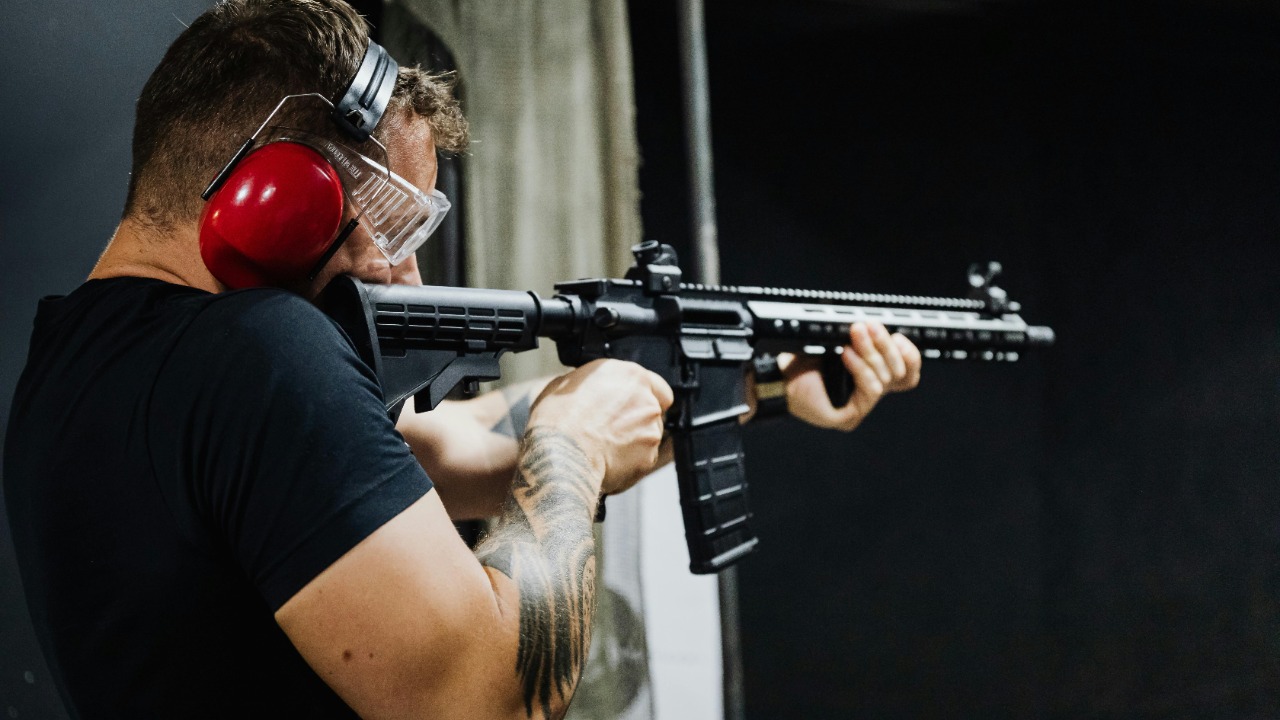
Rifles that actually make shooters better are not the ones dripping with gadget rails and glow-in-the-dark widgets, they are the ones that quietly punish bad habits and reward clean fundamentals. The rifles that matter most on the range or in the field are the ones that turn aiming, breathing, and trigger control into muscle memory instead of Instagram content. In a shooting world that can feel like a trade show on caffeine, the smartest move is picking a rifle that forces the basics to shine and lets the gimmicks stay in the catalog.
Fundamentals first, ego later
Every serious rifle discipline starts from the same unglamorous place: the shooter’s fundamentals. Instruction on Practicing the Five Firing Fundamentals breaks the shot down into aiming, breath control, movement control, trigger squeeze, and follow-through, all practiced together until they feel boringly automatic. That is the point. A rifle that “rewards” the shooter is one that makes these five elements obvious, so a sloppy trigger press or rushed breath shows up instantly on paper instead of being hidden by a compensator, a giant optic, or a trigger tuned lighter than a gossip rumor.
Training guidance on Marksmanship Fundamentals Mastering makes the same point in less poetic terms: mastering rifle shooting starts with a solid stance, consistent sight alignment, and disciplined trigger control. Unlike a handgun, a rifle demands that the shooter manage body position, recoil, and sight picture over longer distances, which means any “shortcut” that bypasses those basics is really just a delay in progress. The rifles that help shooters grow are the ones that make sight alignment and trigger control painfully honest, not the ones that let them fake competence with hardware.
How competition rifles expose the truth
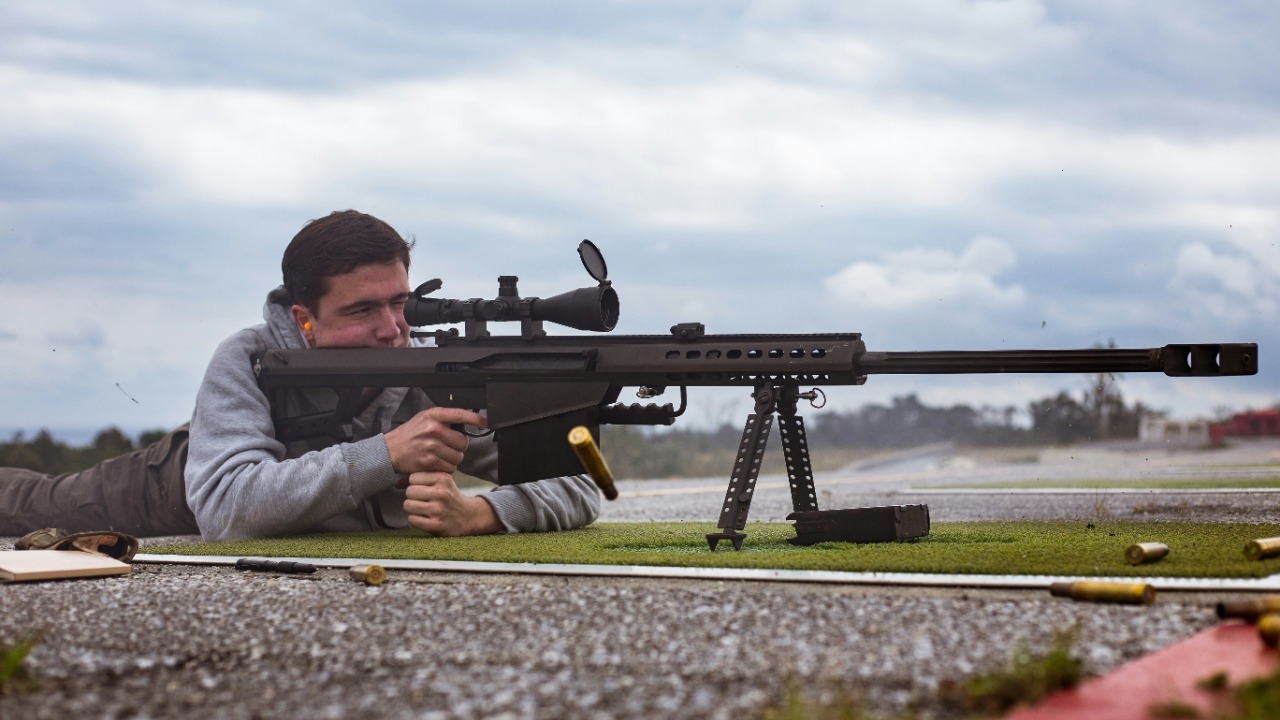
Precision rifle sports have quietly become the lie detectors of the gun world. In PRS style matches, shooters are rewarded when they stick to the fundamentals, using a steady stance, a clean trigger press, and consistent follow-through to keep groups tight and scores steady. The rifles that dominate these courses are not the flashiest builds, they are stable, predictable tools that make it obvious when the shooter flinches, breaks position, or rushes the shot. When the clock is running and the wind is rude, no amount of cosmetic flair can hide a bad trigger squeeze.
Guides for new competitors emphasize that even in gear-heavy environments, the winning edge comes from repeatable technique supported by a rifle that tracks straight and behaves the same way every time. Advice aimed at new shooters stresses that regular practice, attention to shooting fundamentals, and a deep understanding of a rifle’s characteristics are essential to long-term success, a point echoed in a detailed air rifle guide that notes how Regular practice paired with fundamentals is what delivers real rewards. In other words, the rifle is there to amplify good habits, not to cosplay as a solution to bad ones.
Gimmicks, gadgets, and the myth of the magic rifle
The modern rifle market is a playground for clever engineering and questionable ideas, sometimes in the same product. A long-running discussion of gimmicks in airguns uses My Whiscombe rifle as a case study, a platform with barrels in all four smallbore calibers and a scope that stays mounted while barrels are swapped. It is clever, it is technically impressive, and it still requires the shooter to sight in each barrel and do the work. The lesson is not that innovation is bad, it is that no amount of mechanical trickery can replace the need to understand point of impact, manage recoil, and confirm zero.
Survival rifle debates follow the same pattern, just with more anxiety and fewer chronographs. One widely shared breakdown of “never buy” and “will save your life” survival rifles warns that price and marketing claims are not the same as performance, even when a rifle that people actually carry around costs about $400, with the phrase $400 m and $400 used to underline how accessible some options are. The message is that a budget-friendly rifle can be a lifesaver if it is reliable, accurate enough, and familiar to the shooter, while a more exotic design that promises to shoot everything, fold into nothing, and clean itself is often a liability. In stressful conditions, the rifle that rewards fundamentals is the one that behaves predictably when the shooter does their part, not the one that looked coolest in a thumbnail.
What experienced shooters actually recommend
When the conversation moves from marketing copy to people who actually shoot, the advice gets much more practical and much less glamorous. In a discussion among soldiers about a good rifle for marksmanship, one of the most upvoted suggestions is brutally simple: the cheapest AR 15 that functions, set up with the same type of optic or iron sights as the issued rifle. The logic is that familiarity and repetition with a reliable platform do more for marksmanship than chasing boutique builds. Another commenter notes that .22 caliber rifles are great for fundamentals because they let shooters practice sight alignment and trigger control with minimal recoil and cost, which means more rounds downrange and more chances to refine technique.
Recreational shooters echo the same theme in a Good Beginner Rifle for Marksmanship? thread, where the Comments Section highlights simple, proven models like the River 10/22 for punching paper at 100 yards or under. The appeal is not that these rifles are flashy, it is that they are consistent, affordable, and forgiving enough for new shooters to focus on the basics without being punished by heavy recoil or complex controls. Even in broader firearm starter conversations, where people debate everything from 9 mm pistols to home defense setups, the pattern holds: one widely shared comment recommends a 9mm pistol for concealed carry and home defense, mentioning a Smith Shield and noting that M&P’s, Glocks, Sigs and Springfields are all fine, precisely because they are reliable and predictable platforms that let the shooter concentrate on fundamentals rather than quirks.
Choosing rifles that make you work (in a good way)
Once shooters accept that no rifle can magically fix bad habits, the selection process gets clearer and, ironically, more fun. Training resources that focus on Marksmanship Fundamentals Mastering emphasize that a good training rifle should make sight alignment obvious, provide a manageable trigger that still demands a deliberate press, and offer ergonomics that encourage a stable stance rather than contortions. That is why so many instructors steer new shooters toward simple bolt actions or straightforward semi-automatics instead of ultra-light, hyper-tuned race guns. A rifle that is slightly “boring” on the rack often becomes the one that quietly builds skill session after session.
Even in specialized arenas like tactical competitions, where gear lists can read like a parts catalog, experienced voices urge shooters to prioritize reliability and controllability over flash. In a thread on rifle suggestions for the tactical games, the Comments Section digs into details like the Muzzle Device, noting that rules often restrict blast direction and that shooters need setups that manage recoil without punishing people nearby. The subtext is that a competition rifle should help the shooter maintain a stable position and clean trigger press under physical stress, not just look aggressive. When paired with the reminder from air rifle guidance that Regular practice and attention to fundamentals are what truly pay off, the pattern is hard to miss: the best rifles are the ones that quietly demand good form and repay it with consistent hits.