
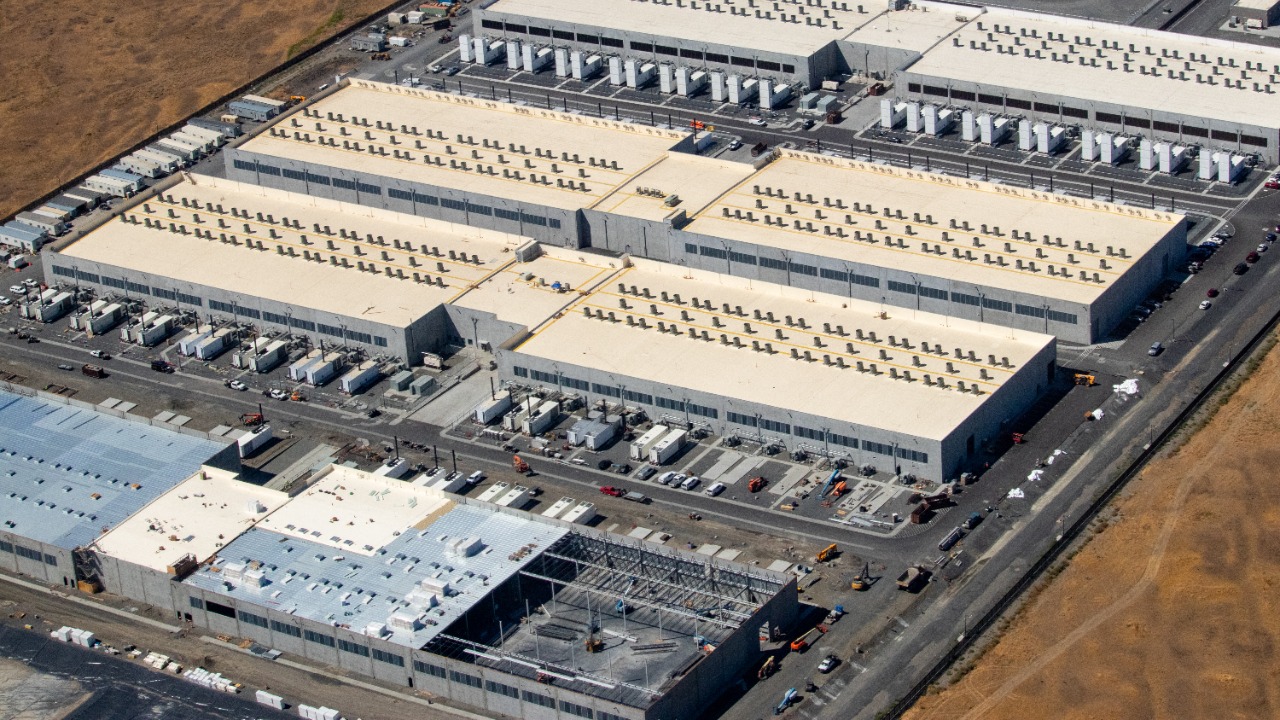
Amazon’s ambition to accelerate its European cloud buildout is colliding with a far more prosaic constraint: the capacity of the power grid. As artificial intelligence and cloud workloads surge, the company’s plans for new data centers across Europe are being slowed by long waits for basic grid connections. The result is a widening gap between digital demand and physical infrastructure that is now shaping where and how fast Amazon can grow.
The stakes extend well beyond one company’s construction schedule. Power bottlenecks are exposing structural weaknesses in European energy networks and forcing policymakers, regulators, and utilities to decide how quickly they can rewire the continent for a data-driven economy. The outcome will influence where jobs, investment, and next-generation computing capacity land over the rest of the decade.
Seven-year queues and stalled campuses
Amazon has made clear that its European expansion is being held back by the time it takes to secure basic power access for new facilities. The company has warned that in some markets it faces a wait of up to seven years to connect new data centers to the grid, a delay that turns carefully sequenced investment plans into a guessing game and leaves land and capital tied up in projects that cannot be energized. These long queues are not a marginal inconvenience but a central factor in how the corporation sequences its data center expansion across Europe.
The problem is not a lack of interest in new capacity but the difficulty of obtaining timely grid links for large, power-hungry sites. Reporting on obstacles to Amazon’s plans describes extensive holdups in securing the connections needed to switch on new campuses. In parallel, coverage of the company’s warning that a seven-year wait for European grid access is holding up data centers underscores how far the physical system lags the digital roadmap. Together, these accounts depict a buildout that is constrained less by demand for cloud services than by the ability to plug new facilities into the electricity system at all.
Grid backlogs from BRUSSELS to Italy and Spain
The bottlenecks confronting Amazon are part of a wider European pattern in which grid operators struggle to keep pace with a wave of new connection requests. In BRUSSELS, officials and company representatives have highlighted how long delays to get power grid connections are challenging Amazon’s plans to expand data centers in Europe, turning what should be routine infrastructure work into a strategic risk. The queues reflect both the scale of new demand and the limited capacity of existing transmission and distribution networks to absorb large, concentrated loads.
Some of the worst congestion is emerging in southern markets where speculative projects have crowded out shovel-ready investments. In Italy and Spain, grid connections are slowed by a backlog of so-called speculative projects that occupy scarce capacity on waiting lists without always progressing to construction, leaving genuine developments stuck behind them. Reports on delays to Amazon’s European buildout and separate coverage of how Italy and Spain are affected both point to these backlogs as a central reason why new data centers are being pushed to the back of the queue.
AI era demand and the scramble for dedicated power
The strain on European grids is magnified by the intensity of power demand from modern cloud and AI infrastructure. Large campuses no longer draw a few megawatts but can require hundreds, with loads that ramp quickly as new servers are installed. Reporting on Amazon’s European buildout notes that this leaves grid operators and utilities tasked with serving these datacenters little time to respond to surges in energy demand, since projects can move from planning to full load in a fraction of the time it takes to reinforce high voltage lines or substations. That mismatch between construction speed and grid upgrade cycles is a core reason why waiting lists for connections have stretched so far.
To keep growth on track, Amazon is experimenting with ways to secure dedicated power outside the most congested European nodes, drawing on models it has used elsewhere. Analysis of electricity demand from AI data centers notes that Amazon Web Services, often referred to as AWS, has arranged to source approximately 960 M directly from a nuclear power plant in Pennsylvania through a dedicated power purchase agreement, illustrating how far the company is willing to go to lock in a reliable supply. In Europe, Amazon has warned that the seven-year grid is challenging its growth aspirations, while further coverage of the connection wait list hitting seven years underlines how acute the problem has become for hyperscale operators.
Europe’s grid action plan and the policy test ahead
European policymakers are not blind to the growing gap between digital ambitions and physical networks, and they have begun to sketch out a response. Under the European Grid Action Plan, our officials argue that networks have to become more digitalised, decentralised, and flexible if they are to cope with rising demand from data centers, electric vehicles and renewable energy. The same framework notes that with 40% of distribution grids older than four decades, very substantial investments are necessary to modernise infrastructure and clear connection backlogs.
For Amazon, the policy choices that flow from this agenda will determine whether Europe remains a preferred destination for its next wave of cloud and AI capacity or cedes ground to regions that can move faster on permitting and grid upgrades. Industry analysis of challenges in power grid connections and the broader impact of connection delays stresses that long queues can push investment elsewhere, slow the rollout of digital services, and complicate national climate plans that rely on electrification. The test for European governments is whether they can streamline connection processes, prioritise projects that are ready to build, and channel capital into grid reinforcement quickly enough to keep pace with the data economy they say they want to lead.