
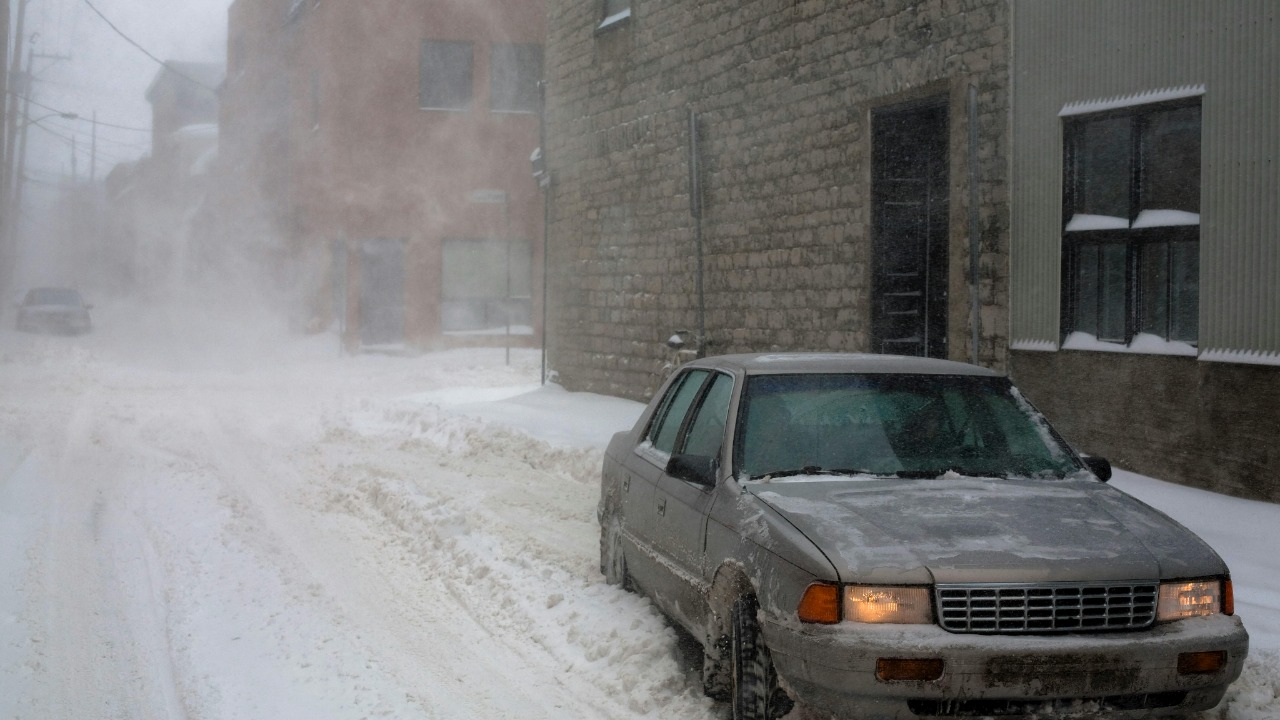
As a powerful blizzard looms over the Northeast, residents are preparing for what meteorologists predict will be a historic weather event. With blinding snow and winds exceeding 60 mph, communities are bracing for significant disruptions and dangerous conditions. The potential impact on infrastructure, community preparedness, and the economy are at the forefront of regional concerns.
Weather Forecast and Warnings
The National Weather Service has issued a series of warnings highlighting the severity of the approaching storm. Forecasts indicate that snowfall could exceed two feet in certain areas, particularly in the northern parts of New York and Vermont. Wind speeds are expected to surpass 60 mph, creating whiteout conditions that will significantly reduce visibility and make travel hazardous. Boston, Hartford, and Providence are among the cities expected to experience the brunt of the storm.
The storm’s trajectory appears to be on a direct path towards major urban centers along the Eastern Seaboard. Meteorologists are closely monitoring its development, as slight changes in the storm’s path could mean the difference between manageable snowfalls and record-breaking accumulations. The National Weather Service has issued blizzard warnings for large portions of the Northeast, advising residents to stay indoors and avoid unnecessary travel.
Potential Impact on Infrastructure
The anticipated blizzard is expected to wreak havoc on transportation systems throughout the region. Major highways and interstates could face closures, and airport operations are likely to be severely disrupted. Airlines have already begun canceling flights in anticipation of the storm, with major hubs like JFK, Newark, and Logan International preparing for significant delays. Public transportation systems, including buses and trains, are also expected to operate on reduced schedules.
Concerns about the power grid are also mounting, as heavy snow and high winds increase the risk of downed power lines and outages. Utility companies are on high alert, with extra crews on standby to respond to potential service disruptions. Emergency services are coordinating with local governments to ensure they are adequately prepared to handle potential crises, which could range from traffic accidents to emergency medical situations requiring immediate attention.
Community Preparedness and Response
Local governments and community organizations are taking proactive steps to safeguard residents. Officials have opened emergency shelters and warming centers in strategic locations to accommodate those who may lose heat or power. In Boston, for example, the city has established multiple warming centers and increased outreach to vulnerable populations, including the elderly and homeless.
Public communication strategies are being employed to keep residents informed and safe. Social media platforms and local news outlets are being used to disseminate real-time updates on the storm’s progress and any changes in safety advisories. Authorities are urging residents to stock up on essential supplies, such as food, water, and medications, to minimize the need to venture outside during the storm. Community-led initiatives, such as neighborhood watch programs, are also being activated to ensure that no one is left without assistance.
Economic Implications
The economic implications of the blizzard could be significant, affecting local businesses and the broader economic landscape of the Northeast. Retailers, particularly those in grocery and hardware sectors, may experience a temporary surge in business as residents stock up on supplies. However, prolonged closures and disruptions could lead to lost revenue and financial strain for small businesses.
Supply chains are likely to be disrupted as road conditions deteriorate, potentially leading to shortages of essential goods. Perishable items, in particular, may face delays in delivery, affecting both retailers and consumers. Government entities are considering financial assistance and relief measures to mitigate the economic impact, with discussions around emergency funding and potential tax relief for affected businesses.
Historical Context and Comparisons
Comparisons are being drawn to past blizzards that have affected the Northeast, offering valuable lessons in preparedness and response. The blizzard of 1978, which paralyzed Boston and surrounding areas, looms large in the collective memory, serving as a benchmark for what could unfold. In 2015, Winter Storm Juno brought similar challenges, underscoring the importance of early warnings and coordinated action.
Long-term climate trends suggest that blizzards of this magnitude may become more frequent, as changing global temperatures contribute to more extreme weather patterns. The resilience of the Northeast is evident in its ability to adapt and learn from past experiences, shaping current preparedness efforts. As the region braces for the storm, the focus remains on minimizing impact and ensuring the safety and well-being of all residents.