
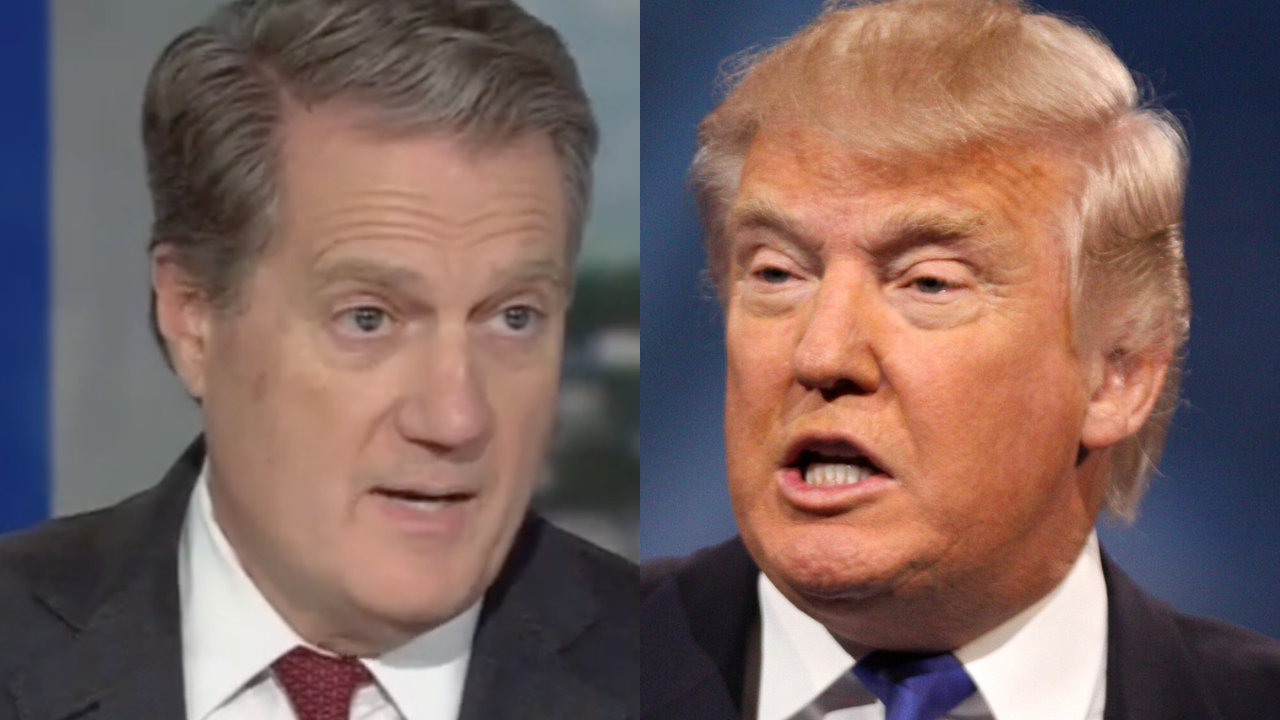
Rep. Mike Turner, a senior member of the House Armed Services Committee, pressed the Trump administration Wednesday to move faster on licensing Patriot interceptor production to Ukraine. “As missile technology proliferates, defensive technology must proliferate as well,” Turner wrote on X, sharing a clip of his August 2 appearance on CBS’s “Face the Nation.” “We have the most advanced technology and there is high demand for it. I encourage the President and the Pentagon to move as swiftly as possible in licensing this technology to Ukraine.”
What Turner Said on Face the Nation
Turner’s post drew from an exchange with host Margaret Brennan, who had asked him directly whether Ukraine was still on track to receive a Patriot production license after Trump appeared to walk back an earlier commitment. Turner clarified that Trump’s July 31 comment — that “it’s a hard thing to do, to give away that kind of technology” — had referred to both Patriots and Tomahawk missiles together, calling the Patriot question specifically “very, very difficult” because the system is defensive rather than offensive. “I think there are ongoing negotiations concerning providing a broader opportunity for Ukraine to have access to Patriot technology to be able to have production and defensive technology,” Turner said, adding that he was urging “the President and the Pentagon to move as swiftly as possible.”
Turner’s Case for Why This Matters Globally
Turner framed the issue as extending beyond Ukraine to broader U.S. defense strategy. “This technology has become so central around the world, because missile technology is proliferating, so defensive technology needs to proliferate,” he told Brennan. “We have the most advanced technology and there is high demand for it.” He argued that licensing production would benefit “Ukraine, our allies, and really, I think, for the United States” — a framing that treats expanded allied production capacity as strengthening the overall U.S. defense-industrial position rather than simply as aid to Kyiv.
How the Commitment Was Originally Made
Turner has been personally involved in pushing for this arrangement since before Trump’s original announcement. According to a press release on Turner’s official House website, he sent a letter to Trump in June highlighting Ukraine’s request for additional interceptors and supporting domestic Ukrainian production, arguing that “Ukraine has shown extraordinary adaptability in countering Russia’s evolving aerial threats, but it does not have the domestic production capacity to replace the high-end interceptors required to defeat Russia’s most advanced missile systems.” Trump announced the licensing commitment on July 8 at the NATO summit in Ankara, telling Zelensky, “We’re going to give a license to you to make Patriots. That’s pretty cool.”
Why the Commitment Then Wavered
The apparent reversal came three weeks later. Trump told the Financial Times on July 30 that he was “not sure” whether the U.S. would grant the license, and at a White House press conference the next day said the U.S. must “be very careful” about transferring Patriot production technology, citing risk that recipient countries “could someday turn on you.” Reuters later reported that concerns raised by U.S. defense industry representatives and military officials contributed to Trump’s hesitation, alongside what sources described as a “challenging” meeting with Zelensky at the White House the week prior.
Confirmation That Talks Are Still Active
Reporting published the same day as Turner’s post confirmed his account that negotiations remain ongoing despite Trump’s public doubts. According to a Reuters report published August 5, four sources familiar with the discussions said the U.S. is pressing ahead with talks on allowing Ukraine to produce Patriot interceptors, with options under consideration including Ukraine manufacturing some components for final assembly elsewhere in Europe. A Russian state media outlet separately cited the same Reuters reporting as saying “no order has been received to stop the negotiations,” with Kyiv also considering joining an existing joint U.S.-European Patriot production program or producing a lower-cost variant of the PAC-3 interceptor.
Why Ukraine Needs This So Urgently
The stakes behind Turner’s push were underscored just days before his post. Zelensky said Saturday that Ukrainian forces intercepted only one of 27 ballistic missiles Russia fired at Kyiv overnight, attributing the failure directly to a lack of available Patriot interceptors. PAC-3s, the newest Patriot variant, remain one of the few weapons systems capable of reliably destroying the ballistic missiles Russia has increasingly relied on as its attacks have intensified.
The Practical Obstacles Ahead
Even if a licensing agreement is finalized, standing up actual Ukrainian production would take considerable time. Patriot interceptors involve sensitive components and multiple U.S. contractors, including Lockheed Martin and RTX, and experts have previously estimated that establishing new manufacturing capacity for a system this complex could take a year or more. Facilities located inside Ukraine would also represent high-value targets for Russian strikes, which is part of why the European final-assembly option has emerged as one of the leading alternatives under discussion.
Turner’s Broader Advocacy Record
Turner’s push is consistent with his position throughout the debate. In his June letter, cited in his own House press release, he specifically praised the Patriot system’s PAC-3 interceptor as “one of the most effective capabilities available to Ukraine against Russian ballistic missile attacks,” and argued that domestic production would be “pivotal for Ukraine’s defensive capabilities” given the country’s inability to replace interceptors at the rate it was losing them to Russian attacks.
A Global Supply Constraint Behind the Debate
The underlying scarcity driving both Ukraine’s request and Trump’s hesitation is a genuine capacity constraint. PAC-3 production has historically run at roughly 600 units a year, a rate strained further by simultaneous demand from the parallel U.S.-Iran conflict, which has separately consumed large numbers of the same interceptor systems — meaning any additional Ukrainian production capacity would need to be built essentially from scratch rather than diverted from existing surplus.
Where This Leaves Things
As of Turner’s Wednesday post, no final licensing agreement had been announced, and negotiations remained characterized by the sources involved as ongoing rather than concluded, with a long-term deal considered unlikely to be finalized before winter. Turner’s public pressure campaign — first through his June letter, then through the CBS interview, and now through Wednesday’s post — reflects continued uncertainty within his own party’s administration about a commitment Trump himself announced publicly less than a month earlier.