
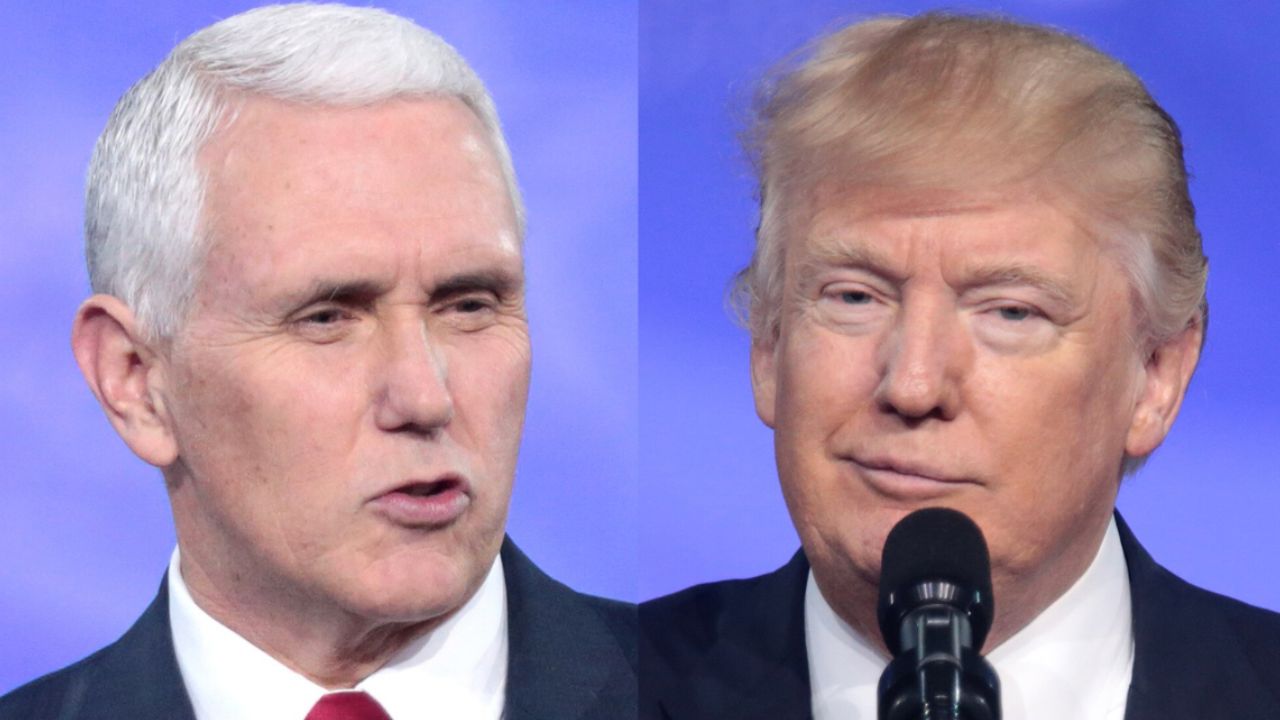
Former Vice President Mike Pence on Sunday called on President Donald Trump to reverse his decision to waive sanctions on Russia, declaring in a post on X that the move “dishonors the legacy of the late Senator Lindsey Graham” and “is decidedly not in the national interests of the United States.” The statement from Trump’s own first-term vice president landed on the very day a 30-day deadline for the toughest penalties under the new Graham Act was set to expire. It also marked one of the sharpest rebukes yet of the White House’s shift toward Moscow.
Pence posted the message on Sunday, October 18, 2026, two days after Trump signed an executive order halting implementation of most of the sanctions Congress had passed. The post leaves little ambiguity about his position. It describes Russian President Vladimir Putin as a war criminal and frames the waiver as a sign of weakness, and it closes with three explicit demands of the president.
Pence’s Full Statement
Pence’s post, published in its entirety, reads:
“President Trump’s decision to waive sanctions against Russia as Putin continues his brutal war of aggression against Ukraine dishonors the legacy of the late Senator Lindsey Graham and is decidedly not in the national interests of the United States and should be reversed.
Putin is a war criminal and only understands strength. Waiving Graham Act sanctions on Russia signals weakness at a moment that demands American strength. Now is the time to stand strong against Russian aggression, just as we did during the years of the first Trump Administration.
A victory in Ukraine would be a victory for freedom and is squarely in the national interests of the United States. If Putin overruns Ukraine, I have no doubt it will only be a matter of time until Russia’s military crosses a border that our troops will have to deal with him.
For the cause of freedom, for America’s national security and that of our allies including Ukraine, President Trump should Restore sanctions under the Graham Act immediately, Rescind the diesel deal with Russia and Rally our Allies to ensure Ukraine has the military support it needs to repel and defeat this Russian invasion once and for all. Slava Ukraini🇺🇸🇺🇦”
Pence’s argument rests on two claims. The first is that waiving the sanctions rewards an aggressor at the wrong moment. The second is that the outcome in Ukraine bears directly on American security, a point he argues in the post by warning that a Russian victory would eventually bring Russia’s military to a border American troops would be called to defend. His closing demands are to restore the sanctions, rescind the diesel arrangement and rally allies to supply Ukraine’s military.
What the Executive Order Does
The order, titled “Implementing the Lindsey O. Graham Sanctioning Russia and Iran Act of 2026” and dated October 16, 2026, states that Trump signed the Graham Act into law on September 18. It invokes section 115 of the act, which allows a president to waive its sanctions, restrictions and duties if he sends Congress a written certification that doing so is in the national interests of the United States, along with a report explaining the basis. In the text, Trump states that he has submitted such a certification.
The order waives the duties provided for in sections 112 and 113 of the act. It also waives the sanctions provision in section 102(d) and a long list of other provisions, including sections 102(a), 102(e), 103 through 111, and 117. The waivers remain in effect until the President or the Secretary of State, in consultation with the Treasury Secretary and the U.S. Trade Representative, determines that further action is appropriate. The order says it does not affect sanctions already in place under earlier executive orders addressing Russia. The Wall Street Journal reported that the order did not detail why the waiver serves the national interest.
The Law at the Center of the Dispute
The Graham Act, championed by and named for the late Republican senator from South Carolina, targets certain Russian officials and institutions. It authorizes tariffs of 500 percent on Russian goods and duties of up to 100 percent on the five largest buyers of Russian oil and gas. The law gave the president 30 days to act on those tariffs, a window that closes Sunday. The waiver does not permanently end the penalties, and Trump could still choose to impose them at a later date.
The Diesel Deal and the Push on Zelensky
The waiver followed Trump’s announcement of a deal with Putin to buy Russian diesel fuel. Reuters reported that Ukrainian President Volodymyr Zelensky said the announcement had emboldened Moscow, and that Zelensky linked the easing of U.S. restrictions on Russian diesel to a Russian attack on Zaporizhzhia that killed 20 people, including three children. The following day, Trump told reporters, “I think it’s time for Ukraine to get a new president,” and criticized Ukrainian strikes on Russian refineries. Trump then announced an “energy ceasefire” between the two countries, which, as the Journal noted, Moscow promptly broke.
Criticism From Both Parties
Pence is not the only Republican to object. Sen. Darline Graham of South Carolina, who took her late brother’s seat and is running for a full term, said she would “choose to keep the pressure on Russia” and added, “I don’t trust Putin and I don’t trust Russia.” Sen. Ted Cruz of Texas said there were ways to address fuel prices other than halting sanctions, and called the decision “a mistake.” Zelensky wrote that easing pressure and offering “financial rewards for Putin” only encourages continued attacks. Sen. Richard Blumenthal, a Connecticut Democrat and a co-sponsor of the legislation, said the waivers amounted to “sucking up to Vladimir Putin.”
The waiver capped weeks of pressure from Congress. A bipartisan group of House members, Marcy Kaptur, Brian Fitzpatrick, Mike Quigley and Joe Wilson, warned late last month that easing sanctions would “embolden Russia and prolong the war.” On October 14, a bipartisan group of 12 senators sent a letter calling the diesel deal a “betrayal of the people of Ukraine.” Two days later, 22 House members wrote demanding full and immediate implementation of the Graham Act. At the United Nations General Assembly, Trump himself had said, “If necessary, we will apply the provisions of this law to stop the killings.”
A Consistent Record on Russia and Ukraine
Pence’s Sunday post fits a position he has held since Russia’s full-scale invasion. On February 24, 2022, the day the invasion began, he urged the United States to keep arming Ukraine and to sanction every Russian financial institution until Russian forces withdrew. Days later, he told Republican donors that “Putin must stop or Putin must pay,” called for sanctions on all Russian oil exports, and condemned Republican “apologists” for Putin, saying there was only room for “champions of freedom.”
On the first anniversary of the invasion, Pence told an audience at the University of Texas at Austin, “I submit the fastest path to peace is to help Ukraine win the war,” and urged further sanctions and more military and humanitarian aid. In June 2023, he traveled to Ukraine, visited families in Irpin, and met with Zelensky in Kyiv. He returned home with the message that “freedom is winning in Ukraine.” The trip was organized by the evangelical relief charity Samaritan’s Purse.
During Trump’s second term, Pence has repeatedly pressed the president directly. In February 2025, after Trump suggested Ukraine had started the war, Pence replied on X that Ukraine “did not ‘start’ this war” and that Russia had launched an unprovoked invasion. In an appearance on NBC’s Meet the Press in May 2025, he said, “the time has come for President Trump to impose harsh sanctions on Russia,” and increase military support for Ukraine.
His criticism has not been uniform. After the August 2025 Alaska summit, Pence praised Trump for “not giving up on Ukraine” while saying that “Putin is not going to stop until he’s stopped.” He also praised Trump’s decision to resume military aid, saying “the time is now,” and endorsed the congressional effort to sharply raise sanctions on Russia that preceded the Graham Act. That effort eventually became the law Trump has now waived.
The Graham Connection and What Comes Next
Pence’s invocation of Graham’s legacy follows a tribute he gave after the senator’s death. In a Bloomberg interview, he called Graham a “tenacious advocate for American freedom at home and abroad” and said the greatest tribute to him would be for the Senate to advance tough new sanctions on Russia and “marshal the West again” in support of Ukraine. The Sunday post applies that same test to the president’s waiver.
The waiver comes as Trump seeks to end the war and keep energy prices in check ahead of the midterm elections, and as he faces bipartisan backlash over the diesel deal, his call for Zelensky to step down and the broken energy ceasefire. Darline Graham has said she plans to raise the issue with Trump when he visits South Carolina next week. Whether the president reverses course, as Pence has demanded, or lets the waivers stand until he or the Secretary of State decides otherwise, will determine whether the Graham Act’s tariffs and sanctions ever take effect.