
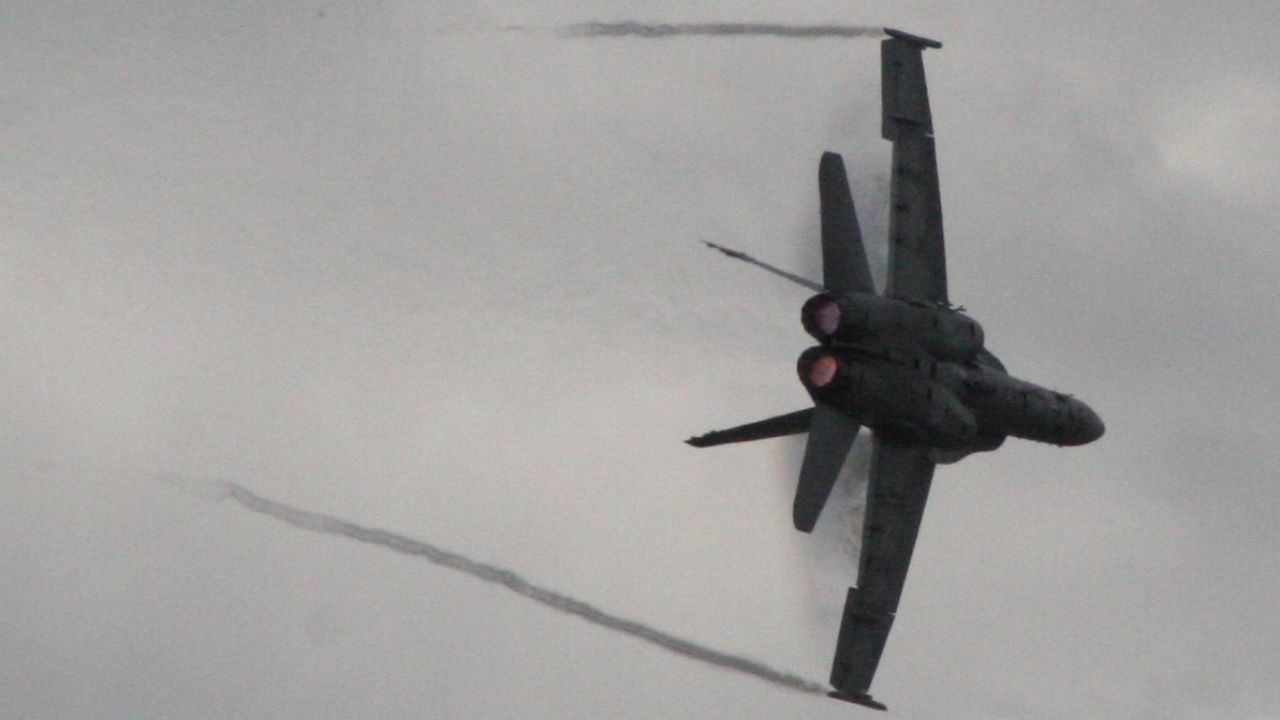
A Marine Corps F/A-18 Hornet crashed in Washington State, resulting in a wildfire that quickly spread near Rimrock Lake. The incident, occurring during a routine training flight, has raised concerns about safety and environmental impact in the area.
Crash Details
The F/A-18 Hornet crashed around 3:00 PM local time on a sunny afternoon, shortly after taking off from a nearby military base. The crash site was located just a few miles from Rimrock Lake, an area known for its natural beauty and recreational opportunities. Eyewitnesses reported seeing the aircraft struggling to maintain altitude before it rapidly descended, ultimately impacting the ground and igniting a fire that would soon engulf the surrounding forest.
The F/A-18 is a versatile multirole fighter jet used by the Marine Corps for both air-to-air combat and ground attack missions. It has been a crucial component of U.S. military operations since its introduction in the 1980s. Residents in the vicinity expressed shock at the crash, with many rushing to their windows and porches to witness the unfolding events. One local resident, who wished to remain anonymous, stated, “I heard the roar of the engines and then a loud explosion. It was terrifying.”
Impact on Environment
The wildfire ignited by the crash spread rapidly due to dry conditions in the region, fueled by strong winds. Local firefighting crews were called in to combat the flames, but the rugged terrain made access challenging. The U.S. Forest Service reported that the fire had already consumed several acres of land, and there were concerns about the long-term ecological consequences for the area’s flora and fauna. The immediate vicinity of Rimrock Lake is home to diverse wildlife, including deer, bears, and various bird species, all of which could be significantly affected by the wildfire.
Military aircraft, especially during training missions, have been implicated in igniting wildfires in the past. This incident raises questions about the adequacy of safety protocols in place to prevent such occurrences. The potential for military operations to impact local ecosystems cannot be understated, particularly in areas prone to wildfires. The role of the military in fire prevention and safety measures is a critical discussion point in the wake of this incident.
Response from Authorities
In response to the crash, local and federal agencies mobilized quickly to contain the wildfire. Firefighters from multiple jurisdictions, including the Yakima County Fire Department and the U.S. Forest Service, worked tirelessly to establish fire lines and prevent further spread. The U.S. Forest Service has issued statements regarding their containment efforts, emphasizing their commitment to protecting both the environment and the safety of the local community. Their spokesperson noted, “We are actively working to mitigate the situation and will keep the public informed as we progress.”
Coordination between military and civilian authorities has been crucial in managing this incident. The Marine Corps has been in close contact with local fire officials to assess the situation and provide any necessary support. The military has protocols in place for such emergencies, which include immediate reporting and collaboration with local emergency services. The effective communication and teamwork between these entities highlight the importance of preparedness in handling crises of this nature.
Community Reaction
The local community has expressed a mixture of concern and support in the aftermath of the crash and subsequent wildfire. Many residents are worried about the safety of their homes and the potential long-term environmental damage. Concerns have been raised regarding the risks posed by military training operations in populated areas, especially given the dry conditions that can exacerbate fire hazards. Community meetings have been organized to discuss these issues and to provide residents with updates on firefighting efforts and safety measures.
Community organizations are also stepping up to offer assistance. Local groups have initiated fundraising efforts to support firefighters and those affected by the fire. They are advocating for greater transparency and communication from military officials regarding safety protocols and future training exercises in the area. As one community leader stated, “We want to ensure that our voices are heard and that safety comes first for everyone.”
Historical Context
This crash is not the first incident involving military aircraft in the region, and it adds to a troubling history of crashes and resulting wildfires. Over the years, there have been several notable incidents that have raised concerns about the safety of military operations in Washington State. For example, a 2014 crash of a military helicopter led to a significant wildfire in the Okanogan-Wenatchee National Forest, prompting discussions about the need for stricter regulations on flight paths and training operations.
Comparing this incident with other military training locations reveals a varied safety record. Some regions have implemented robust safety measures that have effectively minimized the risk of accidents and wildfires, whereas others have faced repeated issues. The need for comprehensive reviews of military training practices and their environmental impact is becoming increasingly evident, especially in areas prone to wildfires.
Long-Term Implications
The long-term implications of the crash and subsequent wildfire could be significant for local ecosystems and wildlife populations. The fire has the potential to alter habitats and disrupt the delicate balance of the local ecosystem. Species that rely on the forest for shelter and food may face challenges in the wake of such an event. Additionally, soil erosion and water quality issues could arise as a result of the fire’s impact on the landscape.
Future military training operations in the area may also come under scrutiny. There may be calls for policy changes to ensure that military flights are conducted safely, especially over populated or environmentally sensitive areas. As communities continue to advocate for their safety, it is likely that military officials will need to reevaluate their training protocols and consider alternative measures to minimize risks associated with flight operations.
Professional Insight
Experts in aviation safety and environmental science have weighed in on the crash and its implications. Aviation safety analysts emphasize the importance of adhering to strict protocols during military training flights to minimize the risk of accidents. They point out that while training is essential for maintaining readiness, it must be balanced with safety considerations for both personnel and the surrounding community. Environmentalists, on the other hand, stress the need for comprehensive assessments of the ecological impact of military activities.
Interviews with military officials indicate that measures are being taken post-incident to address safety concerns. Discussions are underway about improving training protocols and enhancing communication with local communities regarding flight operations. Recommendations from experts include implementing more stringent safety measures and conducting regular assessments of training locations to ensure they do not jeopardize public safety or environmental health.
Resources for Further Information
For those seeking updates on firefighting efforts and safety measures, several official channels are available. The U.S. Forest Service provides timely information on their efforts to combat the wildfire and restore the affected areas. Residents can also find valuable resources on understanding environmental recovery processes through local environmental agencies. Advocacy groups focused on military safety and environmental protection are actively engaged in the discussion, offering insights and recommendations for improving safety protocols.
For more information on the incident and its aftermath, you can refer to articles from local news outlets covering the situation, such as Daily Dispatch, NBC Right Now, and KOMO News. These resources will provide ongoing updates and insights into the situation as it develops.