
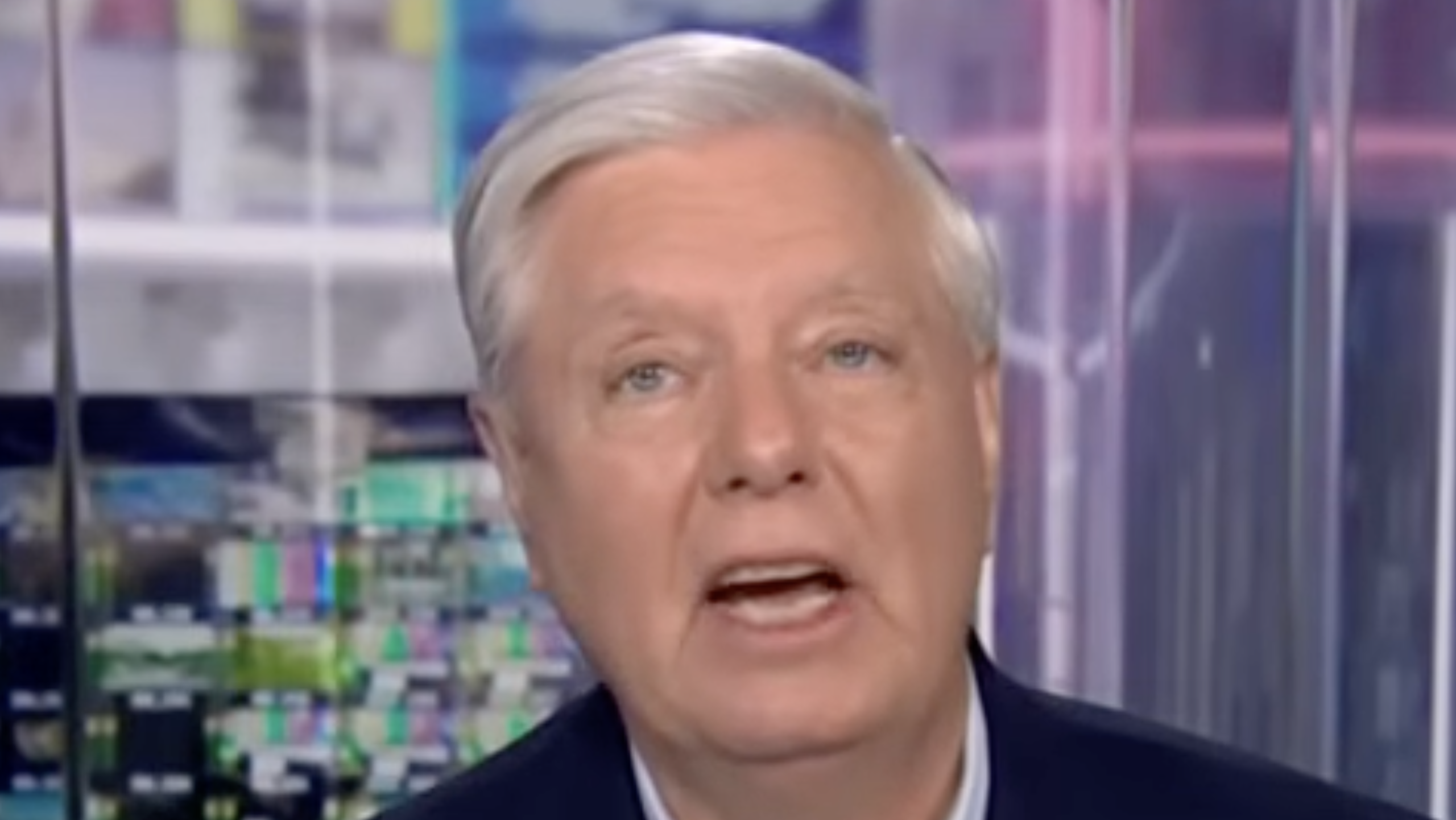
Sen. Lindsey Graham said some Americans are more concerned about President Donald Trump succeeding than about the threat of a nuclear-armed Iran, characterizing that dynamic as a central issue in public discourse surrounding the conflict.
Appearing on Hannity on March 17, Graham told host Sean Hannity that media coverage and political opposition have downplayed what he described as an imminent nuclear threat. He argued that the stakes of Iran’s nuclear capabilities are being overshadowed by domestic political divisions.
Graham: If it were known to the American public that there were less than two weeks away from having ten bombs and Trump acted, it would change everything. They're suppressing this story! To my friends at the WH, you should take this story and run. It is national security… pic.twitter.com/b7iKqK8N4Y
— Acyn (@Acyn) March 18, 2026
“This is a nightmare for the American liberals and American media who quite frankly fear Trump being successful more than they fear the having a bomb. That’s how sick these people are. If it were known to the American public that they were less than two weeks away from having 10 bombs and Trump acted, it would change everything. They’re suppressing this story,” Graham said.
Graham linked his criticism to claims that Iran was nearing the capability to produce multiple nuclear weapons in a short period, citing estimates that the country could have developed enough material for 10 bombs in under two weeks. He argued that this timeline justified the scale and urgency of U.S. military action.
Those actions have taken shape through Operation Epic Fury, which has involved thousands of strikes on Iranian military and nuclear infrastructure, including enrichment facilities, missile systems, and command centers. The campaign represents one of the largest sustained U.S. military operations in the region in recent years.
By framing the issue as a contrast between political opposition and national security risk, Graham argued that the potential consequences of a nuclear-armed Iran outweigh domestic political considerations, warning that the threat could have global implications if left unaddressed.