
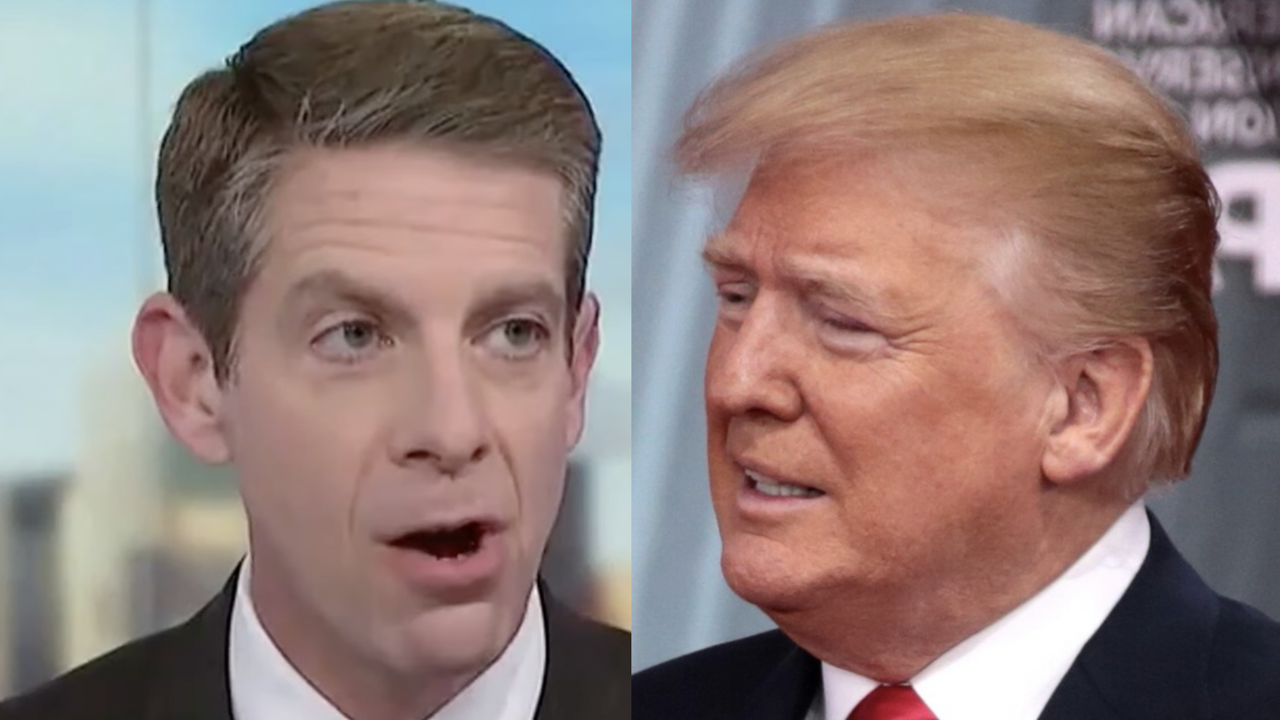
Rep. Mike Levin warned Thursday that President Trump’s push to quickly reopen the Strait of Hormuz could hand Iran more strategic control over the waterway than it held before the war began. “Trump is so desperate to declare victory that he may accept a deal giving Iran control over the Strait of Hormuz that it didn’t have before the war,” Levin wrote on X, linking a New York Times investigation into the emerging arrangement. “So after months of fighting, enormous costs, and countless lives put at risk, Iran could walk away with MORE leverage than it started with.”
What the Emerging Deal Actually Looks Like
According to the New York Times report Levin linked, Iran and Oman are nearing an agreement under which vessels heading into the Persian Gulf would transit a channel controlled by Iran and close to its coast, while outbound vessels would use a channel near Oman. Iranian officials described the arrangement as including a “service fee” — not a formal toll — to cover environmental impact, cargo security, and staffing costs, with revenue split evenly between Iran and Oman. A U.S. official disputed that characterization, telling the Times any “temporary” routes established through the strait would involve no Iranian approvals or tolls at all — leaving a basic factual dispute over the deal’s terms unresolved even as it nears completion.
Why This Represents New Iranian Leverage
The core of Levin’s argument rests on a comparison to the strait’s pre-war status. Before the February conflict began, the Strait of Hormuz operated as what the Times described as “an open, international waterway” without Iranian control over transit routes. The Congressional Research Service’s own account of the conflict confirms this timeline shift, noting that Iranian forces declared the strait “closed” starting March 4 and began threatening and carrying out attacks on transiting ships — the starting point for the de facto Iranian influence over the waterway that the emerging Oman deal would now formalize into a permanent, negotiated arrangement.
Rubio’s Direct Warning Against Exactly This Outcome
The arrangement described in the Times report runs directly counter to public commitments Secretary of State Marco Rubio made weeks earlier. Speaking to counterparts at the ASEAN Post-Ministerial Conference in Manila, according to the official transcript published by the State Department, Rubio said: “Iran demands the right, which they do not have under any existing legal mechanism, to control the transit of traffic through the Straits of Hormuz. This is an international waterway… And if we create a precedent in the Middle East where a nation state can decide that they are going to control an international waterway, charge a toll, and if you don’t pay them, blow up your ships, we have created a very dangerous precedent which will repeat itself in other parts of the world, including in this region.” He added: “What is at stake here is not simply the issue of what’s happening in the Straits of Hormuz. It’s a very fundamental principle about freedom of navigation.”
Trump’s Political Motivation, According to the Times
The Times reporting frames Trump’s urgency around the deal in explicitly political terms, describing the reopening as addressing “his most urgent political problem” by easing the oil-price pressure that has weighed on his approval amid broader inflation concerns. Trump has repeatedly described the reopening as “Phase 1” of ending the conflict, with denuclearization negotiations to follow as “Phase 2,” telling reporters at the White House the strait could open “literally by tomorrow” — a specific timeline he has now repeated multiple times over recent weeks without it materializing.
Even the Pentagon Has Doubts
Skepticism about the deal isn’t confined to Congress. The Times reported that senior Pentagon officials view the emerging Omani-Iranian arrangement with real concern, with some worried it amounts to capitulation. Officials briefed on the concerns noted that even the proposed Oman-side route remains heavily mined, meaning ships would still need to coordinate directly with Iran to navigate it safely — undercutting the idea that the arrangement represents a clean return to open, unconditional passage.
Levin’s Consistent Position Since the War Began
Thursday’s post continues an argument Levin made from the war’s opening day. In a statement posted to his official House website on February 28, Levin said Trump’s description of “major combat operations” and a “massive and ongoing operation” in Iran did not describe “a limited strike to repel an imminent threat,” but rather “sustained warfare” requiring congressional authorization under Article I of the Constitution. He said at the time that he would “oppose a sustained war in Iran” when Congress got the chance to vote on it, arguing the U.S. could support Iranians’ own struggle for democracy “without initiating a regional war.”
Iran’s Own Conditions for a Full Reopening
Iranian officials have paired the emerging shipping-lane arrangement with additional demands beyond what the Times described. According to the reporting, Iran has said the strait will remain effectively closed, regardless of any Oman agreement, until the U.S. lifts its naval blockade on Iranian ports in the Persian Gulf and both countries return to the terms of the June “Islamabad” memorandum of understanding — meaning the shipping-lane deal Levin is criticizing may represent only one piece of a broader set of Iranian conditions still unresolved.
The Nuclear Track Is Falling Behind Schedule
The Times report also notes that the diplomatic track meant to run in parallel with the strait negotiations is significantly behind its original timeline. A framework signed in mid-June by Vice President JD Vance and Trump separately had projected a nuclear accord within 60 days — a deadline set to expire within roughly two weeks of the Times’ publication, with officials now conceding any actual negotiations would likely extend well into the fall or beyond. Some officials told the Times they privately doubt any nuclear accord will be reached at all, raising the possibility Trump may simply declare that Iran’s uranium stockpile should remain buried under the rubble of the June 2025 strikes on its nuclear facilities.
An Outside Analyst’s Blunt Assessment
Ali Vaez, deputy Middle East program director for the International Crisis Group, told the Times that Iran views control of the strait as the single concrete gain it can point to from the entire war, and is negotiating accordingly. “Whatever solution leaves Iran in control of the strait will be a very tough sell for Trump,” Vaez said, “but there is also no military solution to remove Iran’s control of the strait. Trump’s options are between an unwinnable war and an unpalatable peace.” That framing captures the strategic bind Levin’s post is pointing to: the administration’s own military leverage has apparently not translated into the negotiating leverage needed to avoid the outcome Rubio warned against.
Congress Has Limited Ability to Shape the Outcome
Levin’s post also reflects a structural frustration shared by many members of Congress throughout the conflict: lawmakers have had little formal mechanism to influence the terms of a deal being negotiated directly between the executive branch, Iran, and Oman. Despite repeated War Powers Resolution votes aimed at requiring congressional authorization for the underlying war, none has succeeded in binding the administration’s conduct of the conflict or its diplomacy — meaning Levin’s Thursday warning functions as public pressure and record-setting rather than a lever he or his colleagues can use to directly block or amend the emerging Hormuz arrangement itself.
Where This Leaves the Debate
As of Levin’s Thursday post, the Oman-Iran negotiations remained ongoing without a finalized text, and the core factual dispute over whether the arrangement would involve Iranian tolls, approvals, or genuine “freedom of movement” remained unresolved between Iranian and U.S. officials’ competing public accounts. Levin’s core warning — that the administration’s political need to show progress could produce an outcome directly at odds with the freedom-of-navigation principle Rubio himself publicly staked out weeks earlier — remains, on the facts reported so far, a live and unresolved risk rather than a settled outcome.