
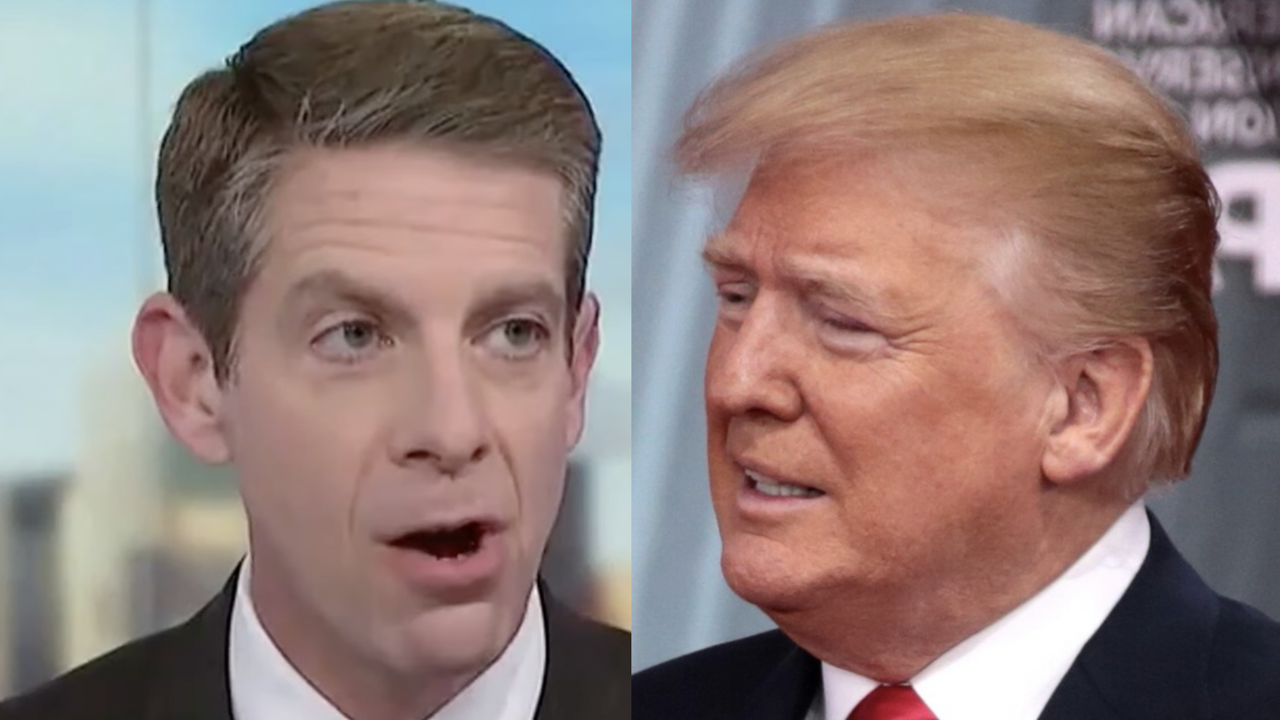
Rep. Mike Levin said Tuesday that President Trump should remove Defense Secretary Pete Hegseth from office and replace him with someone more capable. “Today would be a great day for Trump to fire Pete Hegseth and replace him with someone who is actually competent,” Levin wrote on X. “Every American and every soldier deployed abroad would be safer for it.”
The Signal Chat Controversy That First Drew Resignation Calls
Levin’s call continues a pattern that dates back to a scandal from Hegseth’s earliest months in office. According to CBS News’ reporting, a Pentagon Inspector General investigation found that Hegseth shared sensitive, classified details about a planned March 2025 strike on Houthi militants in Yemen — including aircraft launch times — over the unclassified messaging app Signal, in a chat that had accidentally included a journalist from The Atlantic. The report found Hegseth’s “actions created a risk to operational security that could have resulted in failed U.S. mission objectives and potential harm to U.S. pilots.”
How Hegseth Responded to the IG Findings
Hegseth rejected the report’s central findings publicly. “No classified information. Total exoneration. Case closed,” he wrote on X after the report’s release, according to PBS News’ reporting, which noted Hegseth had declined to be interviewed for the investigation. Chief Pentagon spokesman Sean Parnell echoed that framing, calling the review “a TOTAL exoneration of Secretary Hegseth.” The report itself, however, found that the information Hegseth shared had been marked “secret” and that investigators did not agree with his own assessment that the material posed no risk to the mission or troops.
How Fellow Veterans in the Senate Reacted
Two Senate Democrats who are themselves combat veterans responded to the IG findings in unusually direct terms. Sen. Tammy Duckworth, an Army veteran and Senate Armed Services Committee member, called the findings “a jaw-dropping breach of our national security” and said “Hegseth needs to resign immediately.” Sen. Mark Kelly, a former Navy combat pilot, said the report “leaves no doubt” that Hegseth “endangered the lives of American pilots” and reflected “a broader pattern of recklessness and poor judgment from a secretary who has repeatedly shown he is in over his head.”
The Flu Vaccine Policy That Preceded an Outbreak
Levin’s broader case against Hegseth’s competence also draws on a separate episode from earlier in 2026. According to ABC News’ reporting, Hegseth announced in April that annual flu vaccination would become optional for all military personnel, ending a mandate that had been in place since 1945. He described the requirement as “absurd, overreaching mandates that only weaken our warfighting capabilities.”
What Happened After the Policy Changed
Roughly two months later, a flu outbreak began spreading through basic training recruits at Lackland Air Force Base in Texas. According to The Hill’s reporting, cases climbed from 159 to 222 within a single week, with the Air Force acknowledging that only about 40 percent of trainees had opted to receive the now-voluntary vaccine — down from the 100 percent compliance that existed when the shot was mandatory. Rep. Joaquin Castro, whose district includes the base, called the decision “reckless” and said “it was only a matter of time before an outbreak occurred.”
A Republican Senator Also Called It a Mistake
Criticism of the policy was not confined to Democrats. Senate Armed Services Committee Chairman Roger Wicker, a Mississippi Republican, called ending the vaccine requirement “a mistake,” according to The Hill, recalling his own service: “When I was on active duty and a reservist, I dutifully took my flu shot every year.”
How the Administration Ultimately Responded to the Outbreak
Despite initially standing by the policy — with the Pentagon’s chief spokesperson telling the New York Times the department would stand by Hegseth’s decision even as the outbreak grew — officials reversed course days later. According to MS NOW’s reporting, the Army, Navy, and Air Force each received exceptions to Hegseth’s policy and resumed requiring flu vaccination specifically for basic trainees, even as the optional policy remained in place for the broader force.
A Broader Pattern the Report Identified
Sen. Mark Warner, vice chair of the Senate Intelligence Committee, pointed to a detail in the IG report suggesting the Signal chat was not an isolated incident. “The report also notes that the IG is aware of several other Signal chats Hegseth used for official business, underscoring that this was not an isolated lapse,” Warner said, according to reporting on the findings. “It reflects a broader pattern of recklessness and poor judgment from a secretary who has repeatedly shown he is in over his head.”
How Levin Has Connected These Episodes to the Iran War
Levin has separately criticized Hegseth’s management of the Iran war itself, including the administration’s roughly $67 billion supplemental funding request and what Levin has described as shifting justifications for the conflict’s goals and duration. He raised these concerns directly during a July 22 telephone town hall with constituents, tying Hegseth’s fitness for office to the same pattern of mismanagement reflected in the Signal chat and flu vaccine episodes.
Why Levin’s District Gives This Particular Resonance
Levin represents California’s 49th District, covering coastal San Diego and Orange County communities with a substantial concentration of military installations, active-duty personnel, and veteran families — a constituency directly affected by decisions about troop readiness, deployment conditions, and military health policy, giving his criticism of Hegseth a direct local stake beyond national political messaging.
Where This Leaves Things
As of Levin’s Tuesday post, Hegseth remained in his position with no indication Trump intended to remove him, and the Pentagon had not issued a new response specifically addressing Levin’s renewed call. The pattern Levin’s post references — the Signal chat findings, the flu vaccine reversal, and the ongoing Iran war’s management — represents an accumulation of specific, separately documented episodes rather than a single new controversy prompting Tuesday’s post.