
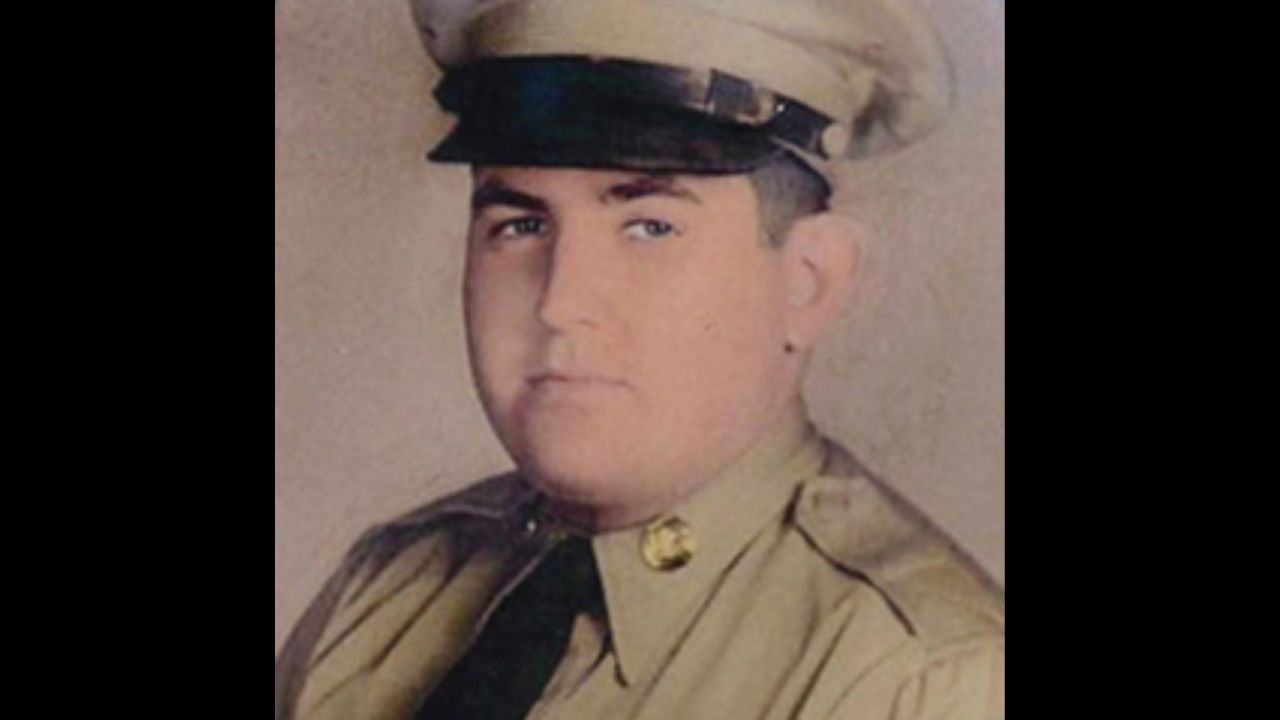
Leonard Kravitz, a soldier in the Korean War, exhibited extraordinary bravery when he threw himself on a grenade to save his fellow soldiers. This selfless act of heroism not only saved his entire unit but also left a lasting legacy of courage and sacrifice. Delving into the life of Leonard Kravitz, the events leading up to his heroic act, and the impact of his sacrifice reveals a story of unwavering courage.
The Early Life of Leonard Kravitz
Born in Brooklyn, New York, Leonard Kravitz grew up in a vibrant Jewish community, surrounded by family and friends who valued hard work and resilience. His father, Joseph Kravitz, was a committed upholsterer, while his mother, Jean, was a nurturing homemaker. Leonard was raised with a strong sense of duty and community, traits that would later define his military career. As a child, he was known for his adventurous spirit and a tendency to put others before himself, qualities that hinted at the hero he would become.
When Leonard Kravitz reached the age of military enlistment, the world was immersed in the tensions of the Cold War. Inspired by his family’s legacy of service and a deep sense of patriotism, he made the decision to join the United States Army. His initial training experiences were challenging but rewarding, as he quickly adapted to the disciplined life of a soldier. He was known among his peers for his unwavering determination and his ability to foster camaraderie within his unit. These early experiences set the stage for his later acts of valor.
The Korean War Context
The Korean War, often referred to as “The Forgotten War,” began in 1950 when North Korea, backed by Soviet and Chinese support, invaded South Korea. The conflict quickly escalated into a global struggle, drawing in forces from the United Nations, with the United States playing a significant role. Key events leading up to Kravitz’s deployment included the Battle of Pusan Perimeter and the Inchon Landing, both crucial in pushing back North Korean advances. As the war dragged on, the need for brave soldiers like Leonard Kravitz became increasingly apparent.
Kravitz was deployed as an assistant machine gunner in Company M, 38th Infantry Regiment, 2nd Infantry Division. His role required vigilance and precision, as he was responsible for supporting his unit with heavy firepower during engagements with enemy forces. Despite the harsh conditions and the constant threat of enemy attacks, Kravitz was committed to his duties, earning the respect and trust of his fellow soldiers. His contributions were vital to the operations of his unit, and his bravery in the face of danger was evident long before the fateful day that would etch his name in history.
The Fateful Day
On March 6, 1951, Leonard Kravitz’s unit found itself under heavy attack near the village of Yangpyeong, South Korea. As enemy forces advanced, a grenade was thrown into the midst of Kravitz’s position, threatening the lives of his fellow soldiers. In a split-second decision, Kravitz made the ultimate sacrifice, throwing himself on the grenade to absorb the blast and protect his comrades. His selfless act of bravery saved the lives of many soldiers in his unit and demonstrated the highest ideals of military service.
The immediate aftermath of the grenade incident was one of shock and disbelief among Kravitz’s fellow soldiers. Those who survived because of his actions were filled with a profound sense of gratitude and loss. Kravitz’s sacrifice had a significant impact on the morale of his unit, serving as a powerful reminder of the bonds of brotherhood forged in the crucible of war. His actions were a testament to the courage and selflessness that define true heroism.
Legacy and Recognition
In recognition of his extraordinary bravery, Leonard Kravitz was posthumously awarded the Distinguished Service Cross, one of the highest military honors in the United States. However, it wasn’t until decades later, in 2014, that he was awarded the Medal of Honor, the nation’s highest and most prestigious personal military decoration. This long-overdue recognition came as part of a review to ensure that no prejudice had prevented deserving soldiers from receiving the honor. The award ceremony was attended by Kravitz’s surviving family members, who were deeply moved by the acknowledgment of his heroism.
Leonard Kravitz’s family has played an essential role in preserving his legacy, ensuring that his story continues to inspire future generations. They have worked tirelessly to honor his memory, participating in events and initiatives that celebrate his life and sacrifice. Public remembrance of Kravitz is evident in various memorials and dedications, including the Leonard Kravitz Jewish War Veterans Memorial in his hometown of Brooklyn. These tributes serve as lasting reminders of his courage and the impact of his sacrifice on those who knew him and those who continue to learn from his story.
Impact on Military Values
Leonard Kravitz’s actions have had a profound influence on military training and values, serving as a powerful example of selflessness and bravery for soldiers in training. His story is often included in military education programs, emphasizing the importance of courage and sacrifice in the service of one’s country. Kravitz’s legacy has become an integral part of the moral fabric of the military, inspiring soldiers to live by the core values of duty, honor, and integrity.
Beyond the military, Kravitz’s story has resonated with civilians, offering a poignant reminder of the sacrifices made by service members in defense of freedom and democracy. His legacy continues to inspire acts of kindness and bravery in everyday life, reminding people of the profound impact one individual’s actions can have on the lives of others. Leonard Kravitz’s heroism serves as a beacon of hope and resilience, encouraging future generations to embody the same spirit of courage and selflessness in their own lives.