
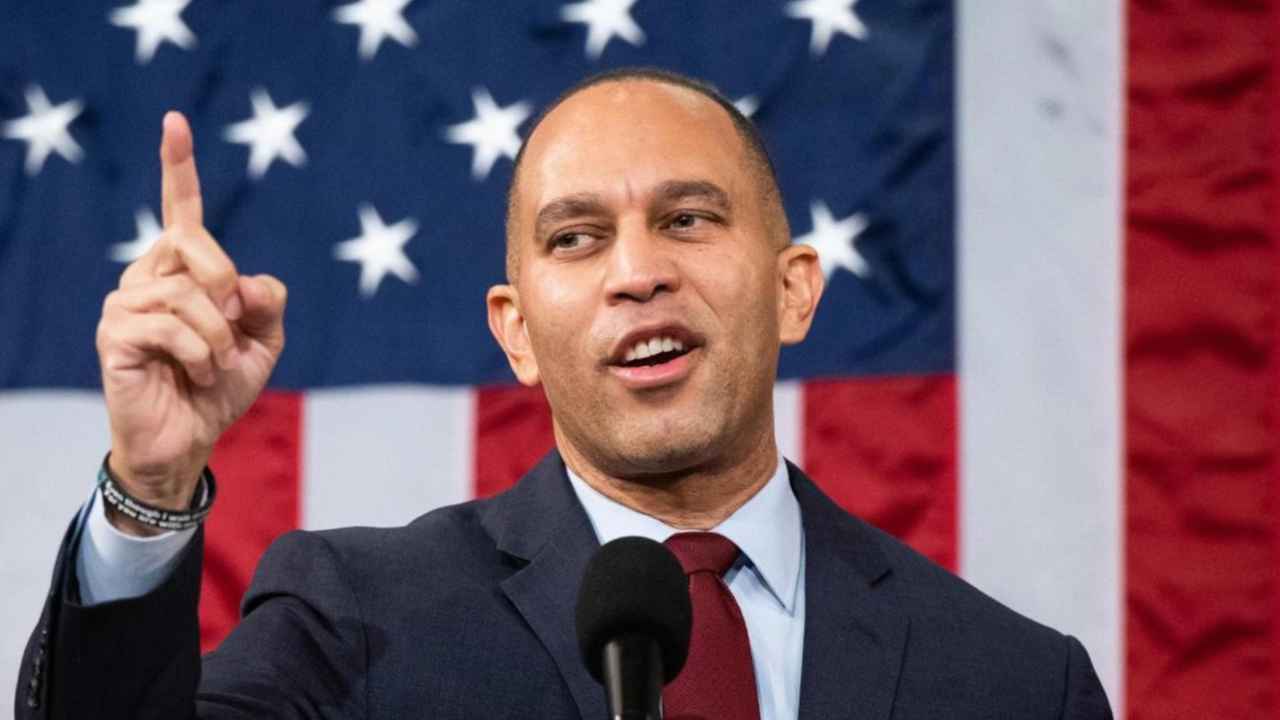
House Democratic Leader Hakeem Jeffries declared that Democrats had secured a historic House majority on Tuesday, November 10, as the party prepares to take control of the chamber and launch a new congressional agenda focused on affordability, accountability and the Trump administration’s military operations. Jeffries’ announcement, “House Democrats have won 258 seats and counting,” signals a major political shift following the 2026 midterm elections.
Jeffries published the statement on X at 9:15 a.m. Eastern time. His complete post reads:
House Democrats have won 258 seats and counting.
This is the largest majority that any party has had this century.
News of our demise was greatly exaggerated.
The statement contains three distinct claims: Democrats have reached 258 House seats, the result represents the largest party majority of the 21st century, and predictions of Democratic political decline were overstated. The final seat total remained subject to outstanding races, making the “and counting” qualification important.
The Size of the Democratic Majority
The 2026 midterm elections delivered sweeping gains for Democrats, who took control of the House and Senate. Reuters reported that Democrats had secured at least 30 additional House seats and at least 54 Senate seats, with some races still undecided. Jeffries had previously projected that his party would win at least 255 House seats.
The 258-seat figure would exceed the 257 seats Democrats held in the 111th Congress in 2009, according to contemporaneous election reporting. That comparison provides context for Jeffries’ claim that the party had achieved the largest House majority of the century. The final certified results will determine the precise size of the majority.
What Democrats Can Do With the Majority
The incoming House majority gives Democrats control of the chamber’s committees, leadership positions, legislative schedule and oversight agenda when the new Congress convenes in January. That authority can allow the party to hold hearings, issue subpoenas through committees, investigate executive branch conduct and advance legislation through the House.
The majority does not mean Democrats can enact every policy on their own. Legislation must also pass the Senate and be signed by the president, or overcome a presidential veto with a two-thirds vote in both chambers. The Senate’s rules and the constitutional separation of powers remain important constraints.
Jeffries and the Hegseth Impeachment Effort
Jeffries has publicly supported efforts to impeach Hegseth. In a November 8 interview with ABC, he said, “Pete Hegseth has got to go,” and indicated he expected strong Democratic support for an impeachment resolution. His comments came as Rep. Thomas Massie introduced eight articles of impeachment against the defense secretary.
The impeachment allegations include waging war against Iran without congressional authorization, alleged violations involving civilian casualties, military operations in Venezuela and Yemen, strikes against suspected drug traffickers and alleged retaliation against Sen. Mark Kelly. The charges remain allegations and will be subject to congressional consideration.
The Democratic Oversight Agenda
Jeffries has repeatedly said Democrats intend to use their majority to investigate alleged corruption and executive branch misconduct. In a November 9 joint statement with Senate Democratic Leader Chuck Schumer, he said Democrats had received a mandate to address affordability, stop the war in Iran, expand access to affordable health care and hold accountable those responsible for corruption.
Jeffries has also identified Robert Garcia as a central figure in the incoming House Oversight Committee’s work. Garcia has said that Democrats intend to investigate administration actions, including federal workforce cuts and other executive branch decisions.
The new majority is expected to have the ability to conduct investigations and pursue legislative responses beginning in January. Whether those efforts result in impeachment, new legislation or other accountability measures will depend on committee findings, votes and negotiations with the Senate and White House.
Jeffries’ November 10 statement is both an announcement of the election result and a political declaration about the party’s strength. The 258-seat figure, if confirmed, would give House Democrats substantial control over congressional oversight and the ability to challenge the Trump administration’s military and domestic policy decisions.