
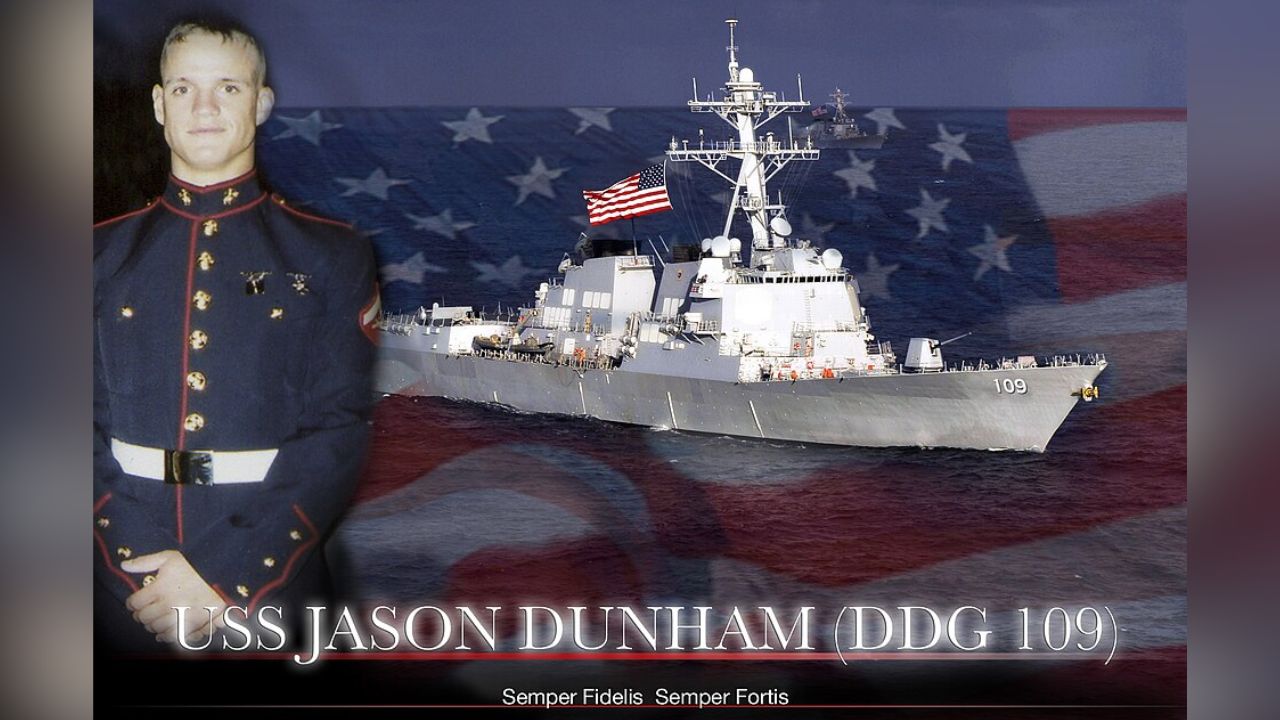
On April 14, 2004, during a patrol near Karabilah, Iraq, 22-year-old Marine Corporal Jason Dunham made a split-second decision that would save the lives of his fellow Marines. By covering a live grenade with his helmet and body, Dunham absorbed the deadly blast, demonstrating extraordinary bravery and selflessness.
The Life and Legacy of Jason Dunham
Jason Dunham grew up in Scio, New York, a small town that instilled in him the values of community, courage, and commitment. As a young man, he was driven by a strong sense of duty and the desire to serve his country, which led him to enlist in the United States Marine Corps. His upbringing in a tight-knit community helped shape his character, making him a natural leader who was respected by his peers.
During his deployment to Iraq, Dunham served as a squad leader, a role that required not just tactical acumen but also the ability to inspire and support his fellow Marines. He was known for his unwavering dedication and his ability to keep his squad motivated under pressure. His leadership style was marked by a genuine concern for his men, fostering a sense of camaraderie and trust that would prove crucial in the heat of battle.
After his death, Dunham was posthumously awarded the Medal of Honor, the highest military decoration in the United States. This honor reflected the profound impact of his actions, not just on his family and community but also on the broader military community. His sacrifice was a poignant reminder of the cost of war, and it inspired countless individuals to reflect on the true meaning of heroism.
The Incident: A Moment of Heroism
The events leading up to the grenade encounter began with a routine patrol in the town of Karabilah, a region fraught with insurgent activity. Dunham and his squad were tasked with maintaining security and engaging with local populations, a mission that required constant vigilance. On that fateful day, the patrol encountered a group of insurgents, leading to a confrontation that would test their resolve and bravery.
As the situation escalated, an insurgent attempted to flee, prompting Dunham to engage. During the struggle, the insurgent dropped a live grenade. Without hesitation, Dunham shouted a warning to his fellow Marines and covered the grenade with his helmet and body, absorbing the full force of the explosion. Eyewitnesses recalled the selfless act, noting how Dunham’s quick thinking and bravery saved the lives of those around him.
Despite his valiant efforts, Dunham sustained severe injuries from the blast. He was airlifted to a medical facility, where he received extensive treatment, but ultimately succumbed to his injuries. His sacrifice highlighted the brutal realities of war and the extraordinary courage required of those who serve on the front lines.
The Ripple Effect: Impact on the Marine Corps and Beyond
Dunham’s actions had a profound impact on his fellow Marines, boosting their morale and reinforcing the bonds of brotherhood that are essential in combat. His sacrifice served as a powerful reminder of the values that define the Marine Corps: honor, courage, and commitment. In the aftermath, the story of his bravery became a source of strength and inspiration for his comrades, motivating them to continue their mission with renewed determination.
The incident also prompted discussions within the military about equipment and protocol changes. Dunham’s use of his helmet to shield the grenade underscored the need for improved protective gear. This led to advancements in helmet designs, aiming to better protect service members in similar situations. The lessons learned from Dunham’s actions have been integrated into training programs, ensuring that future generations of Marines can learn from his example.
Beyond the military, Dunham’s story has inspired countless individuals and has been used in motivational settings to encourage new recruits. His legacy serves as a testament to the power of selflessness and the impact that one individual’s actions can have on the world.
Honoring a Fallen Hero: Memorials and Tributes
The legacy of Jason Dunham is preserved through various memorials and tributes that honor his sacrifice. One of the most notable dedications is the USS Jason Dunham (DDG-109), an Arleigh Burke-class destroyer that serves as a floating tribute to his heroism. The ship’s name serves as a reminder of Dunham’s courage and the values he embodied, inspiring all who serve aboard.
Every year, commemorations are held to honor Dunham’s memory, bringing together family, friends, and fellow service members. These events provide an opportunity to reflect on his sacrifice and to celebrate the values he held dear. Through these ceremonies, Dunham’s legacy is kept alive, ensuring that future generations understand the importance of courage and selflessness.
In addition to physical memorials, Dunham’s story has been preserved through media and literature. Books, documentaries, and articles have been published, capturing the essence of his bravery and the impact of his actions. These works serve as a lasting tribute to his sacrifice, educating and inspiring audiences around the world.
The Broader Implications of Sacrifice
Jason Dunham’s actions reflect the philosophy of selflessness that is central to military service. His willingness to lay down his life for his fellow Marines embodies the core values of the Marine Corps and serves as a powerful example of what it means to serve. His story is a reminder of the sacrifices made by service members every day and the importance of honoring their commitment to protecting others.
Remembering heroes like Dunham is crucial for society, as it reinforces the values of courage, honor, and duty. By commemorating acts of valor, we acknowledge the profound impact these individuals have on our national identity and the principles we hold dear. Dunham’s legacy challenges us to aspire to greater acts of selflessness and to recognize the sacrifices made in the name of freedom.
For civilians, Dunham’s legacy offers valuable lessons in courage and altruism. His story inspires individuals to act with compassion and bravery in their everyday lives, whether in small acts of kindness or in moments of significant challenge. By emulating his selflessness, we can all contribute to a better, more caring society.