
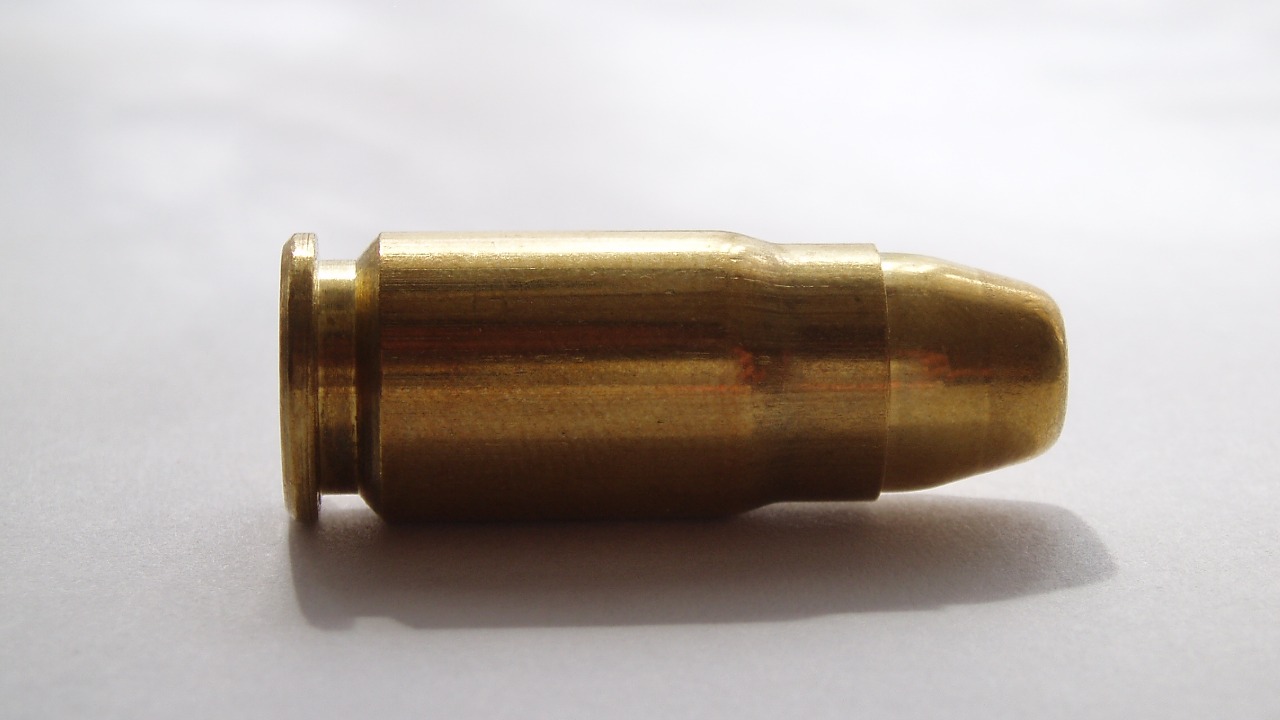
The .357 SIG has always punched above its weight in ballistics charts, yet it now occupies a shrinking corner of gun-store shelves and duty holsters. As shooters debate whether it deserves a second life or a quiet retirement, the cartridge sits at the intersection of performance, cost, and changing law enforcement tastes. The question is no longer whether .357 SIG works, but whether its specific advantages still justify the tradeoffs in a market dominated by 9 mm and other mainstream rounds.
From magnum ambition to niche reality
The .357 SIG was conceived as an attempt to bring .357 Magnum revolver performance into a semi-automatic package, promising the punch of a classic wheelgun with the capacity and ergonomics of modern pistols. Reporting on its origins notes that the .357 SIG was explicitly framed as the .357 Magnum for semi auto handguns, and that it largely achieved that ballistic goal even if it never became a mainstream favorite. That design brief helps explain why early adopters in law enforcement and among enthusiasts were drawn to its promise of high velocity and reliable expansion in a duty sized pistol.
Over time, however, the cartridge settled into a far smaller footprint than its designers likely imagined. Historical overviews describe how .357 SIG gained some traction with state police agencies and federal units before gradually receding as departments standardized on more common calibers, a trend captured in one retrospective that tracks the 357 SIG Today landscape without tying it to an inaccurate early twentieth century timeline. That shift from ambitious contender to niche option is the backdrop for today’s debate over whether the round is worth preserving.
Ballistic strengths that still impress
On paper, the .357 SIG remains a standout performer, particularly in the 125 grain class that defined its reputation. Technical guides emphasize its high velocity and flat trajectory, noting under sections labeled Ballistic Performance that the cartridge is renowned for speed when loaded with a 125-g bullet, which helps it deliver consistent energy and predictable point of impact. That combination was always central to the pitch that .357 SIG could replicate the stopping power of a service revolver while offering faster follow up shots and higher capacity.
More recent overviews frame the cartridge as a distinct option in the modern defensive landscape rather than a universal solution. One Sig Cartridge Guide on Ballistics, Comparison, Pros and Cons describes the .357 Sig as holding a distinct place in both civilian and law enforcement markets, highlighting its speed and energy while acknowledging that it competes with 9 mm and .40 caliber offerings. That framing underscores a key point in the save it or scrap it argument: the round’s raw performance is not in doubt, but performance alone no longer guarantees widespread adoption.
Why .357 SIG lost ground to 9 mm and .40
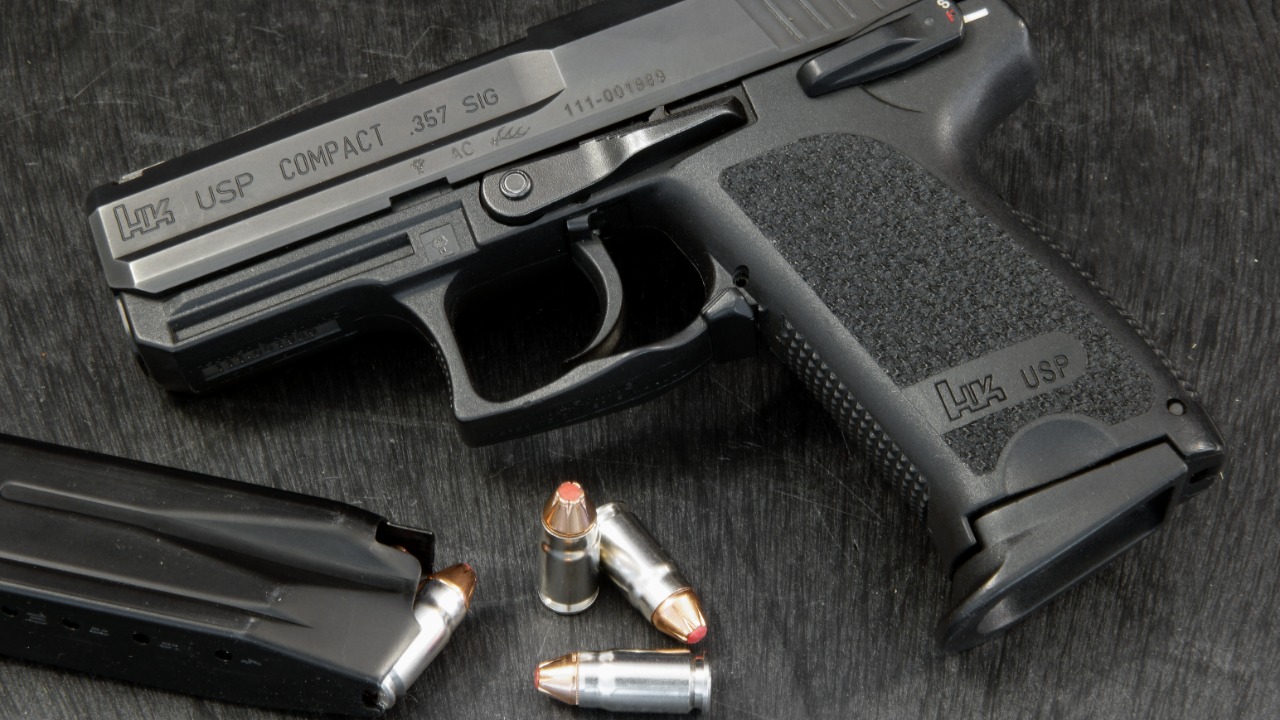
The decline of .357 SIG has less to do with failure in the field and more to do with timing and competition. Enthusiasts dissecting its history point out that the cartridge arrived after agencies had already standardized on .40 S&W, sometimes derisively nicknamed 40 Small and Weak, and that by the time departments reconsidered their choices in the wake of improved 9 mm loads, the newer round had to fight both institutional inertia and a crowded market. One widely cited discussion bluntly attributes its stagnation to Bad timing, arguing that They released it into an ecosystem already dominated by 40 and that it just never gained market share.
Comparisons with 9 mm further eroded the case for .357 SIG as ammunition technology advanced. Ballistic charts and user analyses note that while the .357 Sig can deliver higher velocity, modern 9 mm loads designed since the era of Georg Luger’s original design now offer expansion and penetration that many agencies consider sufficient with less recoil and lower cost. One detailed caliber comparison contrasts 357 Sig vs 9mm in a Quick History Lesson that credits 9 mm, Invented by Georg Luger, with remaining a favorite for bottom feeder pistols, while casting .357 Sig as a more specialized choice. Another community breakdown notes that although the 357 SIG has a small and steadfast core of followers, it never achieved the popularity level of the 40, a verdict that frames it as SIG vs 9mm being the answer to a question many shooters never asked.
Performance vs practicality in real-world use
Even as its market share shrank, .357 SIG retained a reputation among some law enforcement professionals and concealed carriers as a hard hitting defensive option. One analysis recounts conversations with officers who express a strict preference for .357 Sig chambered duty pistols, citing its power and reliability in service sized guns, a sentiment captured in a piece that asks what the deal is with the cartridge and whether it is dead while highlighting those Law Enforcement voices. Another section of the same reporting notes that Apr discussions around its decline focus less on failures in shootings and more on logistics and budgets, reinforcing that the cartridge’s practical drawbacks, not its terminal ballistics, drove many agencies away.
Independent testing and user reports also complicate the idea that .357 SIG is categorically superior to 9 mm in every metric that matters. One technical breakdown argues that in spite of its arguably greater power, a 357 SIG does not actually offer better penetration or expansion than a 9 mm in many modern loads, calling that gap between expectation and reality a fairly major setback for the round’s long-term prospects and anchoring that claim in a detailed 357 Sig analysis. That finding dovetails with broader overviews that compare .357 SIG to 40 S&W, .38 Special, 9 mm and other similarly sized cartridges, and conclude that despite its favorable ballistics and high velocity, it remains less common than rounds with comparable performance.
Cost, availability, and the reloader’s calculus
For many shooters, the real barrier to embracing .357 SIG is not recoil or gun selection but the price and availability of ammunition. Enthusiasts on Glock focused forums often describe the round as Worth it if you reload and really really like it, but Absolutely not if you are buying off the shelf, warning that the odds of being able to find cheap practice ammo during any future shortage are near zero and pointing to cases that can run around $600 as a cautionary tale. That sentiment is captured in a sprawling thread that also notes how the cartridge was once common enough on shelves but never increased in popularity.
Those economics help explain why .357 SIG has become a reloader’s caliber rather than a casual shooter’s choice. Commenters who still champion it often emphasize that if a shooter already owns a compatible pistol and has the equipment to reload, the round’s unique performance can be enjoyed without paying premium factory prices. Others, however, argue that for anyone starting from scratch, the combination of higher ammunition cost, limited selection, and the need to stock a separate caliber makes it hard to justify when 9 mm and .40 S&W remain cheaper and easier to find. That cost benefit analysis is central to whether the cartridge is seen as a collectible curiosity or a viable working round in the years ahead.
The loyalists who refuse to let it die
Despite its shrinking footprint, .357 SIG still inspires a level of loyalty that keeps it from disappearing entirely. Some defensive shooters insist that 357 SIG is a good defensive round and answer Yes when asked if it is capable of stopping a threat, even while conceding that it is not the most popular caliber on the market. That perspective is laid out in a discussion of SIG defensive ammo that describes it as effective and underrated, with Even its critics acknowledging that quality loads perform well in real world scenarios.
Content creators and gear reviewers also continue to spotlight .357 SIG platforms, keeping the cartridge in the conversation even as new polymer 9 mm pistols dominate sales. One video review opens with the line that a particular Glo pistol does not get a whole lot of attention anymore, before host Ralph of Skull Crush Inc walks through the features of a Glock 31 and uses that gun as a lens on the broader Skull Crush Inc debate over the Death of .357 SIG Pistols. Written guides echo that mix of nostalgia and advocacy, with one comprehensive overview of the .357 Sig Cartridge Guide: Ballistics, Comparison to 9mm, Pros and Cons highlighting consistent expansion with quality hollow points and explaining how expansion in modern defensive ammunition is primarily velocity dependent, a dynamic that plays to the round’s strengths in the right loads and is detailed in a Consistent Expansion breakdown.
Is it worth saving or better left buried?
When all the data and anecdotes are stacked together, .357 SIG emerges as a cartridge that delivers on its original ballistic promise but struggles to justify its practical costs for the average shooter. Technical references that compare it to 40 S&W, 38 Special, 9 mm and other similarly sized cartridges consistently note that it offers favorable ballistics yet remains less common than rounds with comparable performance, a pattern that reflects how agencies and civilians have voted with their budgets and holsters. At the same time, detailed defensive guides continue to frame it as a high performance option for those willing to accept higher recoil, louder report, and more expensive ammunition in exchange for speed and energy, a balance explored in depth in an Pros and Cons style overview.
For shooters who already own compatible pistols, reload their own ammunition, or simply value the cartridge’s unique blend of speed and controllability, .357 SIG is clearly worth keeping alive as a specialized tool. For new buyers weighing their first defensive handgun, the case is far weaker, especially when modern 9 mm loads offer similar real-world performance with lower cost and broader support. In that sense, the cartridge is neither a failure nor a must have, but a high-performance niche round that will likely persist in the hands of dedicated fans rather than return to widespread duty issue.