
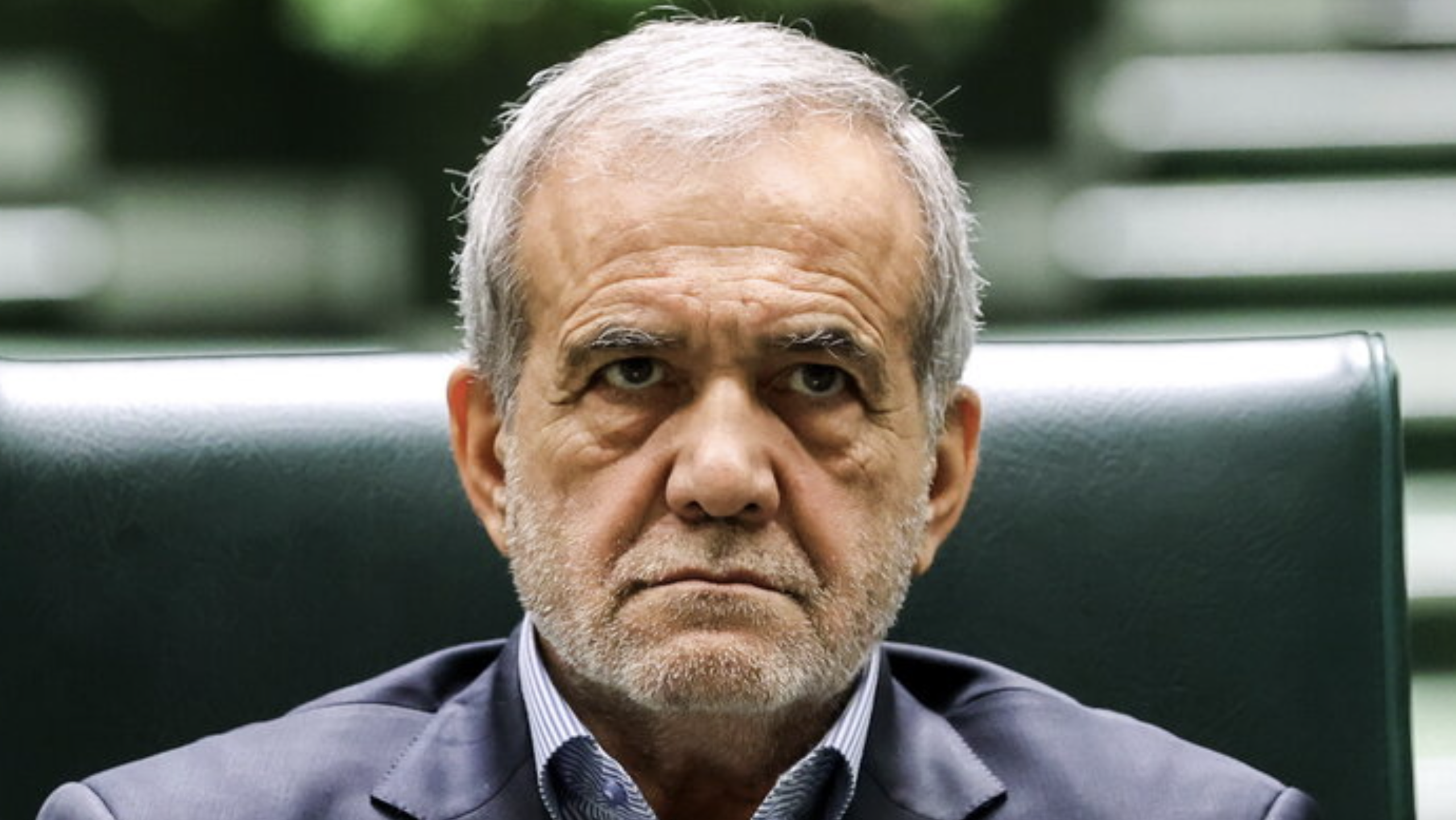
Iranian President Masoud Pezeshkian issued a forceful statement on April 20, 2026, rejecting what he described as coercive pressure from the United States amid escalating tensions between Tehran and Washington. In a post on X, Pezeshkian emphasized the role of trust and compliance in diplomacy while accusing U.S. officials of sending contradictory and hostile signals. His remarks came as military and political friction intensified across multiple fronts, including ongoing U.S. operations in the region and renewed warnings from President Donald Trump.
Honoring commitments is the basis of meaningful dialogue. Deep historical mistrust in Iran toward U.S. gov conduct remains, while unconstructive & contradictory signals from American officials carry a bitter message; they seek Iran's surrender. Iranians do not submit to force.
— Masoud Pezeshkian (@drpezeshkian) April 20, 2026
In his full post, Pezeshkian wrote: “Honoring commitments is the basis of meaningful dialogue. Deep historical mistrust in Iran toward U.S. gov conduct remains, while unconstructive & contradictory signals from American officials carry a bitter message; they seek Iran’s surrender. Iranians do not submit to force.” The statement centered on the assertion that Iran views U.S. policy as an attempt to compel capitulation rather than engage in mutual negotiations, framing resistance to pressure as a defining national stance.
The comments followed a series of escalatory remarks from U.S. President Donald Trump on April 19, who accused Iran of violating a ceasefire agreement and warned of significant consequences if diplomatic efforts fail. In a Truth Social post, Trump claimed Iranian forces had carried out attacks in the Strait of Hormuz, calling it “a Total Violation of our Ceasefire Agreement!” He also stated that American representatives would travel to Pakistan for renewed negotiations, while cautioning that failure to reach an agreement could trigger further military action.
"…We’re offering a very fair and reasonable DEAL, and I hope they take it because, if they don’t, the United States is going to knock out every single Power Plant, and every single Bridge, in Iran. NO MORE MR. NICE GUY…" – President Donald J. Trump pic.twitter.com/L4wQMJfGE6
— The White House (@WhiteHouse) April 19, 2026
Trump’s message included direct threats tied to the outcome of talks, referencing potential strikes against infrastructure if no deal is reached. He also highlighted the economic impact of disruptions in the Strait of Hormuz, a critical global shipping route for energy supplies, arguing that Iran would bear greater costs from continued instability. The statements reflected a broader pattern of pressure messaging alongside ongoing diplomatic efforts, as both sides remained divided over nuclear and regional security terms.
Military developments have continued in parallel with the diplomatic standoff Operation Epic Fury, which began on February 28, 2026. According to CENTCOM, U.S. and partner forces launched strikes at the outset of the operation targeting Iranian military infrastructure, including command and control sites, air defenses, missile and drone launch facilities, and other strategic assets described as posing imminent threats. Officials also reported sustained defensive actions against retaliatory missile and drone attacks, while emphasizing that U.S. operations have continued without confirmed American casualties.
As the confrontation persists, the situation has been defined by simultaneous escalation and attempted negotiation, with both Washington and Tehran signaling firm positions. Pezeshkian’s statement underscored Iran’s insistence that it will not yield under pressure, while U.S. messaging has combined diplomatic outreach with explicit warnings of further military consequences, leaving the trajectory of talks uncertain amid ongoing regional instability.