
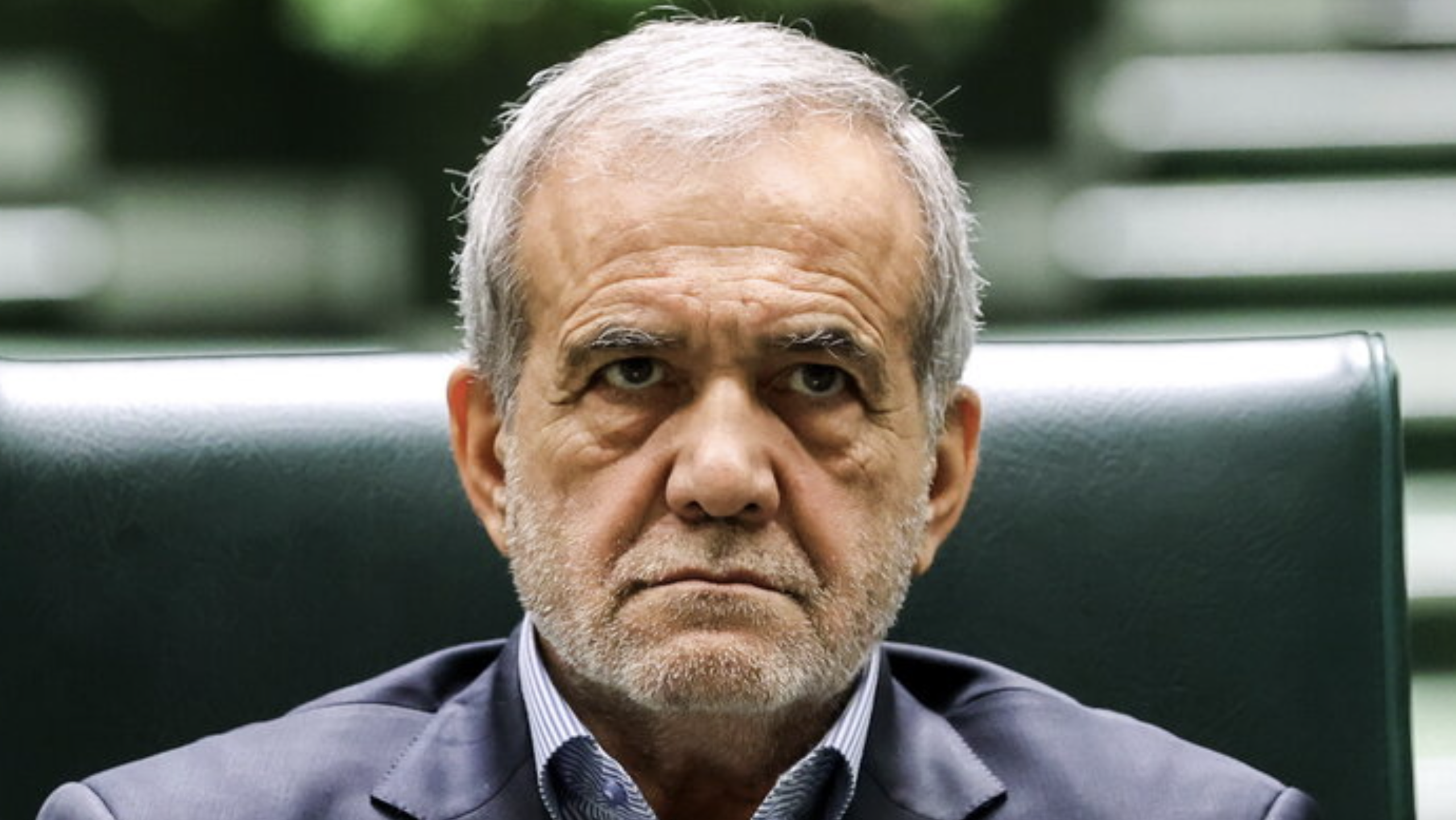
Iranian President Masoud Pezeshkian on April 3 publicly condemned remarks by Donald Trump, characterizing the U.S. president’s threat to devastate Iran as a potential war crime. The comments came in response to statements made by Trump during a nationally televised address earlier in the week, in which he outlined possible future military actions against Iran amid an ongoing conflict.
Does threatening to send an entire nation back to the Stone Age mean anything other than a massive war crime? This was the question I asked my Finnish counterpart, who is a jurist. History is full of those who paid a heavy price for their silence in the face of criminals.
— Masoud Pezeshkian (@drpezeshkian) April 3, 2026
In a post published on X, Pezeshkian directly referenced Trump’s rhetoric, writing: “Does threatening to send an entire nation back to the Stone Age mean anything other than a massive war crime? This was the question I asked my Finnish counterpart, who is a jurist. History is full of those who paid a heavy price for their silence in the face of criminals.” The statement framed the issue not only as a political dispute but as a matter of international law and accountability, invoking historical precedent to underscore the seriousness of such threats.
NOW – Trump on Iran: "We're going to hit them extremely hard over the next 2-3 weeks. We're going to bring them back to the stone ages, where they belong!" pic.twitter.com/knSmNB9OQk
— Disclose.tv (@disclosetv) April 2, 2026
The remarks followed Trump’s April 1 address, where he warned of potential escalation if negotiations with Iran fail. During that speech, Trump said the United States was prepared to intensify its military campaign and described the possibility of targeting critical Iranian infrastructure, including electric generating plants and oil facilities. “We’re going to bring them back to the stone ages where they belong,” Trump said, adding that the United States could strike key sectors in a way that would leave Iran unable to rebuild. He further stated that certain targets had not yet been hit but “we could hit it and it would be gone and there’s not a thing they could do about it.”
Trump’s comments were delivered as part of a broader update on ongoing U.S. military operations under Operation Epic Fury, a campaign launched in late February aimed at dismantling Iran’s military and security capabilities. According to figures released by U.S. Central Command, the operation has involved more than 12,000 strikes and 13,000 combat flights, targeting a wide range of military infrastructure including missile systems, command centers, and naval assets. The campaign has also resulted in the deaths of Iran’s supreme leader and dozens of senior officials, significantly altering the country’s leadership structure.
Pezeshkian’s response represents one of the most direct rebukes from Iran’s leadership since Trump’s latest escalation in rhetoric. By framing the threat as a “massive war crime,” the Iranian president signaled an effort to shift the discussion toward legal and moral implications on the international stage, while also warning against what he described as the consequences of global inaction.
The exchange highlights a widening divide between Washington and Tehran as military operations continue and diplomatic efforts remain uncertain. With Trump signaling readiness for further escalation and Iranian leadership condemning those threats in legal terms, the situation reflects an increasingly volatile phase in the conflict, with both sides articulating sharply opposing positions on the path forward.