
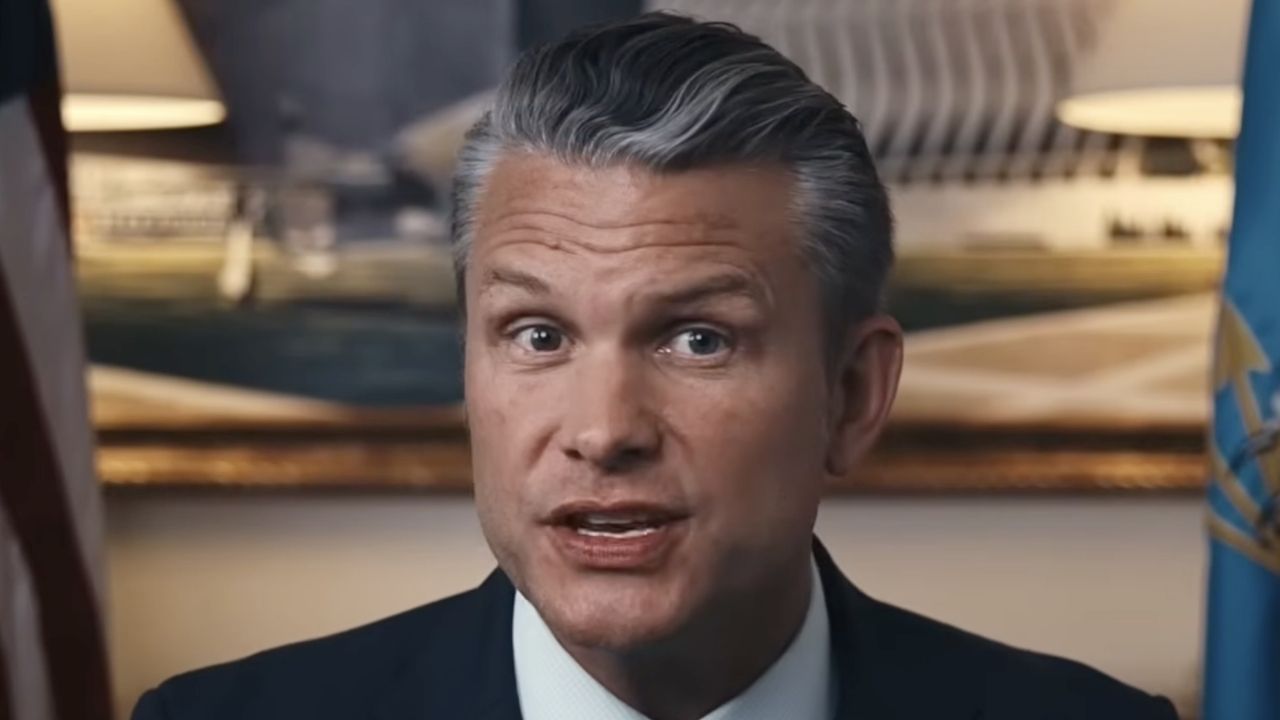
Defense Secretary Pete Hegseth is considering ordering hundreds of the nation’s most senior military officers back to Marine Corps Base Quantico for another mass address, according to U.S. officials, nearly a year after a similarly unprecedented gathering unsettled the Pentagon’s uniformed leadership and drew sustained criticism from national security veterans. The potential second summons would mark a repeat of the highly unusual September 2025 event, at which Hegseth rolled out sweeping new standards on fitness, grooming and what he has repeatedly described as the purging of “woke” culture from the armed forces.
A Possible Repeat of an Unprecedented Gathering
Officials familiar with the matter said Hegseth would likely use a second Quantico appearance to reinforce the priorities he laid out last fall, including tougher fitness and grooming standards and a renewed emphasis on combat readiness. One official said the defense secretary would also release a fresh set of directives to the force alongside any address. It could not immediately be determined when such a meeting might take place or whether it would again include the full body of the country’s serving generals and admirals.
Pentagon spokesman Joel Valdez declined to confirm any plans for a second event. “We have nothing to announce at this time,” Valdez said.
Last Year’s Summons Caught the Military Off Guard
The original gathering, held September 30, 2025, brought together roughly 800 generals, admirals and their senior enlisted advisers from commands around the world on short notice and without any stated reason, a scale and format that current and former officials called without precedent in modern military history. Hegseth’s directive went out to commanders at the one-star level and above, along with their command sergeants major, requiring many to travel from overseas postings on short notice to converge on the Marine base in northern Virginia.
The lack of an announced agenda fueled speculation across the Pentagon and in Congress in the days before the meeting. Chief Pentagon spokesman Sean Parnell offered only that “the Secretary of War will be addressing his senior military leaders early next week,” a reference to the informal title Hegseth has used since President Trump signed an executive order seeking to rename the Defense Department the Department of War, a change that would still require congressional action to take full legal effect.
Hegseth Declares “No More Beardos” and Rolls Out New Standards
At the September event, Hegseth used the venue to announce that personnel would be judged on fitness and personal appearance under a stricter standard than in recent years. “The era of unprofessional appearance is over,” Hegseth told the assembled officers. “No more beardos.” He said troops seeking to keep beards would need to join special operations units, where waivers remain more common.
Hegseth also announced that combat arms standards would be applied without regard to gender, a policy he said could reduce the number of women eligible for certain front-line roles. “When it comes to any job that requires physical power to perform in combat, those physical standards must be high and gender-neutral,” Hegseth said. “If that means no women qualify for some combat jobs, so be it.”
The Pentagon simultaneously released 11 memorandums detailing the new policies, covering fitness testing, grooming standards and an overhaul of the inspector general and equal opportunity complaint processes, which Hegseth described at the time as ending a culture of “walking on eggshells” inside the department.
Trump’s Address Touched on Domestic Deployments
President Trump opened last year’s gathering and delivered a lengthy address of his own that ranged well beyond military readiness, touching on his administration’s use of troops in American cities and warning of further action to come. “What they’ve done to San Francisco, Chicago, New York, Los Angeles — they’re very unsafe places, and we’re going to straighten them out one by one,” Trump told the assembled officers. “And this is going to be a major part for some of the people in this room. That’s a war too. It’s a war from within.”
Trump told the officers he had never encountered a room so silent, adding that they were free to applaud or leave depending on their reaction to his remarks. He went on to discuss a range of other topics during the address, including his decision to rename the Gulf of Mexico the Gulf of America.
Throughout both speeches, the assembled generals and admirals sat largely stone-faced, a response widely attributed to Defense Department regulations that bar uniformed officers from engaging with or appearing to endorse political activity while in uniform. It remains unclear whether Trump would participate again if Hegseth moves forward with a second summit.
The Speech Was Later Made Mandatory Viewing
In the weeks after the original event, the Pentagon issued a memo ordering all 2.1 million members of the U.S. armed forces to watch the full recording of Hegseth’s remarks or read the official transcript, along with the accompanying policy memorandums, by October 31, 2025. The memo directed commanders to document completion of what was termed the “Warrior Ethos Tasking” in a formal record. A Defense Department official said the mandate simply extended guidance that had already been intended for the entire force.
Criticism From Defense and Policy Circles
The gathering and its aftermath drew sharp criticism from former officials and policy analysts, who argued the event politicized what is traditionally an apolitical officer corps and questioned the necessity of summoning the entire senior leadership of the armed forces to a single location. One former senior defense official called the event “an abomination,” while another said it amounted to a “pep-speech that would be better delivered by a captain.”
A retired four-star general who spent four decades in uniform wrote ahead of last year’s meeting that he had never witnessed a defense secretary summon the entire body of one- to four-star officers from every service to a single auditorium, noting that no such gathering occurred even during the Cold War, Operation Desert Storm or the height of the Iraq and Afghanistan wars.
Part of a Broader Restructuring of Military Leadership
Any second Quantico gathering would come against the backdrop of a broader restructuring Hegseth has pursued since taking over the Pentagon. In May 2025, he ordered a 20 percent reduction in the number of four-star generals and admirals, a 10 percent cut to other flag officer positions, and a one-fifth reduction in senior National Guard leadership posts. Hegseth has argued the reductions are overdue, noting in February 2025 that the military fielded just seven four-star generals during World War II compared with 44 in more recent years.
Since taking office, Hegseth has made reversing the prior administration’s diversity and inclusion initiatives a central goal, arguing those policies eroded military standards, while restoring what he has called a warfighting-first culture. Critics, including former Pentagon officials and military analysts, have said the approach has steered the armed services in an overtly partisan direction.
What Comes Next
Officials cautioned that no final decision has been made on a second Quantico summons, and the Pentagon has offered no timeline or confirmation that the event will occur. Should Hegseth proceed, it would mark the second time in roughly a year that he has ordered the country’s most senior military leadership to gather in one place, a move that drew scrutiny even from lawmakers and retired officers the first time over its scale and the security implications of concentrating so much of the military’s command structure in a single location.