
Germany has taken formal delivery of an Israeli-built Arrow 3 missile-defence battery, marking a new phase in the country’s layered air- and missile-defence posture and expanding Europe’s long-range interception capability. Officials presented the system as an exo-atmospheric layer intended to give German and allied planners earlier warning and a higher-altitude interception option against long-range threats.
What was handed over and how it was presented
German and Israeli officials described the transfer as a comprehensive package that includes radars, launchers and interceptors built around the Arrow 3 architecture, delivered under a multi-billion-euro agreement that Berlin framed as strengthening European defence. The purchase was part of a contract whose headline value is cited at $4 billion, a figure officials invoked to underline the scale of the transfer.
The German defence establishment said the composition of the battery reflects Israel’s operational approach to high-altitude interception, packaged for export with systems integration and logistics support to enable fast fielding. Germany gets Arrow 3 as an operational layer intended to complement existing medium- and short-range assets and to provide earlier engagement options against ballistic trajectories.
Capabilities and the operational role in Europe
Arrow 3 is designed to operate at exo-atmospheric altitudes, providing high-altitude interception and early engagement capacity that sits above terminal defences; German planners emphasized that this extends the country’s ability to intercept long-range ballistic threats. Observers note the system’s role is to add a higher echelon of interception, improving the chance to neutralize threats before they descend into lower-defence envelopes, a function described by reporters as strengthening Germany’s interception capabilities against a range of long-range actors.

The handover arrives as developers at Israel Aerospace Industries continue work on the next-generation interceptor family, with the company’s leadership indicating progress toward a follow-on model. IAI’s management has publicly said that Arrow 4 is approaching readiness for serial production, a development industry analysts say will shape future upgrades to Europe’s high-altitude layers.
Where the system will operate and the ceremony context
The operational elements were accepted at a formal event attended by German and Israeli delegations and are slated to be based at an Air Force base described in reporting as the initial host location for the battery near Berlin. Authorities said the site selection balances central coverage for national assets with integration into allied command-and-control networks, and that training and sustainment lines are already being put in place to reach operational readiness quickly.
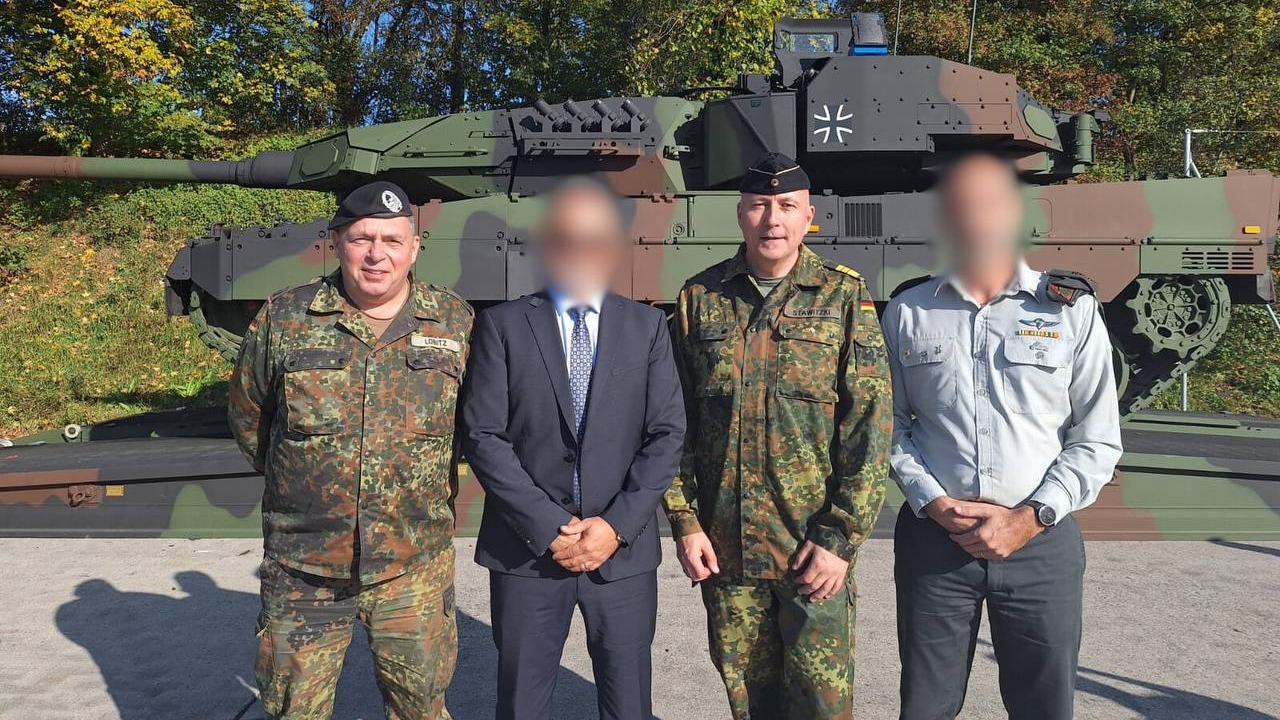
Journalists covering the transfer described the day as both practical and symbolic: practical because the system brings an additional interceptor layer into the German inventory, and symbolic because it represents a major export of Israeli defence technology to Europe and a deepening of bilateral security ties. Reporting from the delivery noted the ceremony and handover activities, and that Germany took delivery during a formal event that officials said finalizes the initial phase of the acquisition.
Strategic context and complementary systems
Berlin framed the procurement as part of a broader effort to harden European air defences against long-range threats, citing the need for added early-warning and high-altitude interception options amid rising regional tensions. Coverage of the move situates Arrow 3 as a strategic layer intended to protect critical infrastructure and allied assets, and links the capability expansion to a wider European conversation about collective air and missile defence planning; context for Germany’s choices can be found in reporting about the country and its security posture toward continental threats to which the system responds, including those originating beyond Europe’s immediate neighbourhood, with authoritative background on national context available for readers searching for broader country detail Germany.
Alongside Arrow 3, reporting picked up related items in the defence ecosystem that illustrate how modern integrated defence packages combine sensors, interceptors and off-platform capabilities. One account that accompanied coverage of the Arrow delivery also highlighted unusual related reporting threads, including the mention of first Arrow 3 fielding in the country, while the same reporting outlet referenced other contemporary defence developments when summarizing the security environment.
Technical and allied implications
Beyond procurement and basing, the arrival of Arrow 3 is already reshaping operational planning because the system’s high-altitude intercepts require earlier cueing and cross-domain data sharing. German planners will need to weave the new battery into national and allied networks, ensuring that the sensors and fire-control links required for exo-atmospheric engagements are calibrated with NATO and partner assets to avoid fratricide and to maximize engagement opportunities.
Coverage of related defence developments noted interoperable platforms and sensors circulating in allied inventories; one of the contemporaneous reports even referenced advanced unmanned systems in other contexts, mentioning US LUCAS Guided Drones Equipped with Starlink Terminals as an example of how sensors and effectors are increasingly networked. That trend underlines why Germany and partners emphasize secure links, shared situational awareness and logistics pipelines as they bring Arrow 3 into routine operations.
The new battery’s acceptance by German authorities marks both an operational milestone and a diplomatic moment: it places Israeli high-altitude interception capability on European soil for the first time in this procurement cycle, and it will test how rapidly national and allied command architectures can translate a capability transfer into layered deterrence and defence at scale.