
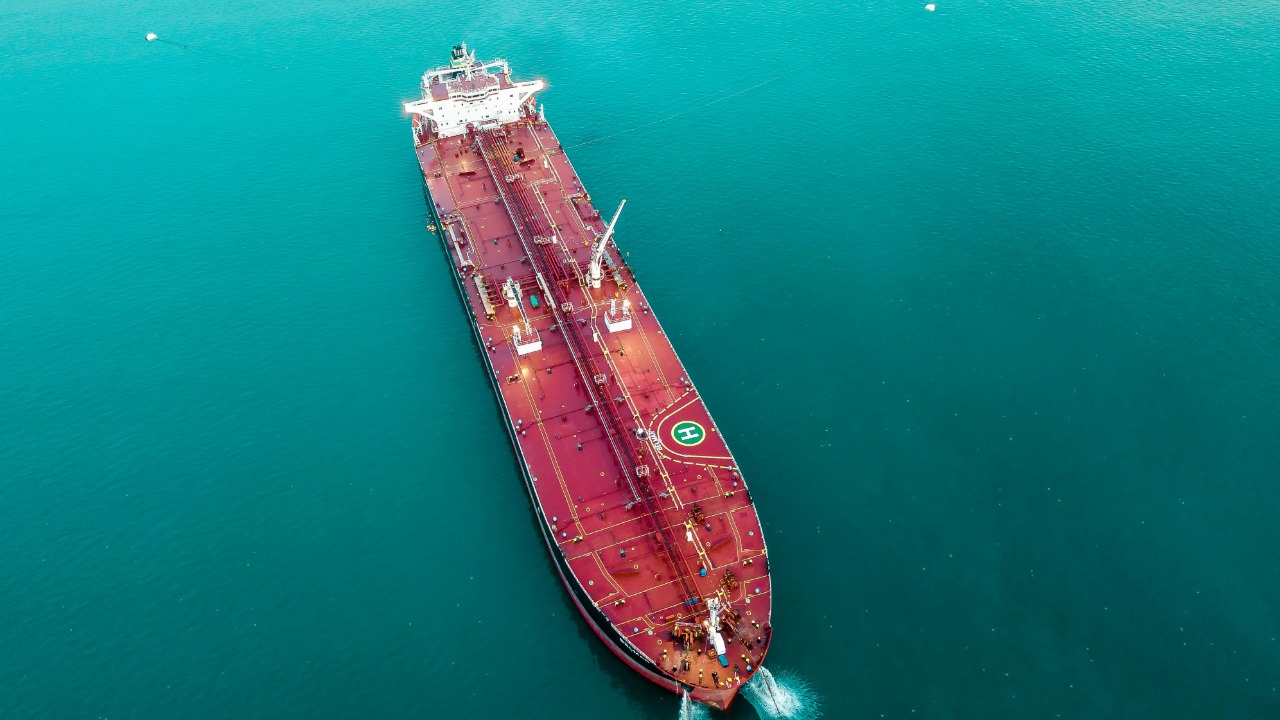
French commandos rappelled from helicopters onto a dark-hulled tanker in the Western Mediterranean, halting a voyage that European officials say was part of Russia’s clandestine effort to keep oil flowing despite sanctions. The dramatic seizure of the vessel, identified as The Grinch, has turned a routine stretch of sea between southern Spain and northern Morocco into a frontline in the contest over how far Moscow can push its so‑called shadow fleet.
By forcing the suspected sanctions‑busting ship into port, France has signaled that it is prepared to use hard power at sea to enforce economic pressure on Russia. The operation also underscores how the opaque world of offshore registries, false flags and covert cargoes has become central to the financing of the war in Ukraine and to the credibility of Western sanctions policy.
The high-seas raid that stopped The Grinch
The interception unfolded in the Western Mediterranean, on the high seas between the southern coast of Spain and the northern coast of Moro, where French forces moved in on a tanker they believed was part of a Russian shadow fleet. According to officials in PARIS, the French navy intercepted the ship in a coordinated action that combined surface vessels and helicopters to secure control of the suspected sanctions‑breaker in the open Western Mediterranean. The vessel, sailing under an African flag, was ordered to divert to a French port so investigators could examine its documents, cargo and ownership structure in detail.
Images released by France’s military show heavily armed personnel fast‑roping from a helicopter onto the deck, a tableau that matches accounts of Forces descending on the Grinch from helicopters in a French mission described as being conducted in co‑operation with allies such as Britain and other European partners. Officials say the boarding was carried out in line with international maritime law, on the basis that the tanker was suspected of violating sanctions. The operation, described in dispatches attributed to Reuters, has quickly become a symbol of a more assertive maritime campaign against Russia’s sanctions evasion networks.
A tanker from Murmansk, a web of sanctions and a “false flag”
French authorities say The Grinch had set sail from Murmansk in northern Russia, a port closely associated with Arctic oil exports, before making its way toward the Mediterranean. Tracking data cited by officials and maritime analysts indicates that the ship’s route and behaviour were consistent with patterns seen across the Russian shadow fleet, including irregular transponder use and circuitous paths that complicate efforts to follow cargoes from Russia to end buyers in third countries. The fact that the tanker was sailing from Russia through the Mediterranean gave France a clear legal and political rationale to act, particularly as suspicions grew that it was part of a wider sanctions-evasion network.
The Grinch is sanctioned by the UK, US and EU, and was flying the African flag of Comoros, a registry that has recently purged more than 60 shadow tanker entries in an effort to distance itself from illicit shipping. French President Emmanuel Macron has framed such practices as part of a deliberate strategy to hide ownership and cargo origins, accusing some vessels of “flying a false flag” to disguise Russian links and evade price caps and insurance restrictions. Officials in France argue that the combination of a sanctioned ship, a Russian departure point and a suspect flag state made The Grinch a textbook case for enforcement, fitting the profile described in detailed accounts of how Grinch is sanctioned yet continues to move oil.
Macron’s message: no tolerance for the shadow fleet
Emmanuel Macron has used the seizure to send a blunt political message, declaring that “We will not tolerate any violation” of sanctions and directly linking the activities of the shadow fleet to the financing of the war of aggression against Ukraine. In his public remarks, the French President argued that every barrel of oil moved through clandestine channels helps sustain Russia’s military budget, and he cast the Mediterranean operation as proof that France and its partners are willing to act on repeated vows to crack down on such networks. The French leader’s language reflects a broader shift from quiet monitoring to active interdiction, with Paris presenting the boarding of The Grinch as a concrete step in a campaign that has already seen other tankers detained or inspected for Ukraine sanctions.
French naval commanders and the Mediterranean Maritime Prefecture have echoed that stance, stressing that much of the oil sustaining Russia’s export revenues is now carried by what is known as a shadow fleet of vessels operating outside of the Western maritime industry. They argue that allowing such ships to transit unchallenged would hollow out sanctions and reward opaque ownership structures that thrive on weak enforcement. French naval officials say the detentions are intended, not only to stop individual voyages but to demonstrate that the era of impunity for these ships is ending, a point underscored by Macron’s insistence that France will not hesitate to bring cases to trial in its own courts when evidence supports charges of shadow fleet violations.
Allied coordination and Britain’s role at sea
Although French marines carried out the boarding, officials have been explicit that the mission was conducted in co‑operation with allies, with Britain playing a prominent supporting role. Britain has helped identify and support the seizure of a sanctioned Russian oil tanker in the Mediterranean, with the tanker, called Grinch, identified in British reporting as a priority target due to its sanctions history and suspected role in moving Russian crude. Tom Cotterill Defense Editor has described how British assets contributed intelligence and possibly surveillance support, helping to track the vessel’s movements and confirm that it was the same ship already listed under multiple sanctions regimes before French forces closed in on tanker, called Grinch.
Accounts of the raid emphasise that Forces descend on the Grinch from helicopters in a French navy mission that was coordinated with partners, illustrating how sanction enforcement at sea increasingly relies on shared data and joint planning. The French military posted additional photos of the operation on X, including One striking image that shows a helicopter hovering near the Grinch as commandos prepare to board, a visual reminder of the risks involved in storming a moving ship in open water. For London and Paris, the episode is being held up as a model of how European navies can pool capabilities to confront the Shadow Fleet in the Mediterranean, reinforcing the message that France and Britain will not allow sanctioned Russian shipping to slip quietly through the region.
A widening campaign against Russia’s shadow fleet
The seizure of The Grinch is not an isolated act but part of a broader French campaign against Russia’s maritime evasion tactics. In September, France detained but later released the shadow fleet tanker Boracay, also on suspicion of operating under a false flag, after checks raised questions about its registry and cargo documentation. That earlier case, which ended without a permanent seizure, appears to have informed the more robust approach taken in the Western Mediterranean, where French troops boarding the tanker were backed by clearer sanctions listings and a stronger evidentiary trail linking the ship to Russian exports.