
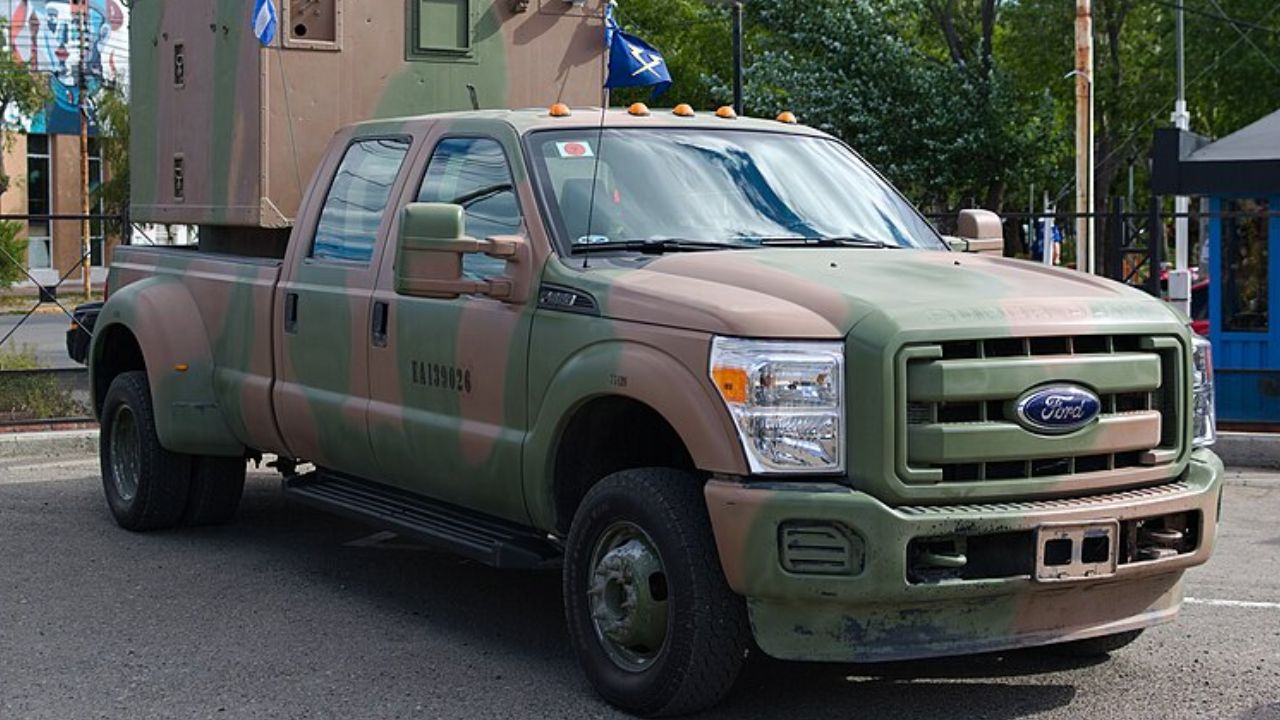
Ford’s venture into military-grade electric vehicle (EV) platforms holds the promise of transforming tactical logistics. With the potential to enhance efficiency and sustainability in military operations, this innovation could redefine how armed forces navigate the challenges of modern warfare.
The Evolution of Tactical Vehicles
Historical Context of Military Vehicles
The development of military vehicles has seen significant shifts from traditional internal combustion engines to more versatile and durable designs. Historically, these vehicles have been indispensable on the battlefield, yet they are often plagued by limitations such as high fuel consumption and maintenance costs. Over time, advancements such as the introduction of all-terrain capabilities and armored protection have been crucial in enhancing the performance and survivability of military vehicles.
With evolving battlefield requirements, the military has consistently sought vehicles that can deliver superior performance under diverse conditions. This quest has led to innovations such as the Humvee and MRAP, which offer increased versatility and protection. However, even these advancements have not fully addressed the need for sustainable and efficient solutions.
The Rise of Electric Vehicles in the Military
In recent years, there has been a growing interest in incorporating electric vehicle technology into military fleets. This shift is driven by the numerous advantages EVs offer, including reduced noise and heat signatures, which are critical in maintaining stealth in combat zones. As these vehicles produce less noise, they can operate more discreetly, reducing the chances of detection.
Furthermore, the minimal heat emissions from EVs make them less visible to infrared detection systems. This strategic advantage, combined with the global push towards sustainability, has positioned electric vehicles as a promising option for future military logistics. The integration of EV technology is not just about reducing emissions but also about enhancing operational capabilities in sensitive environments.
Features of Ford’s Military-Grade EV Platform
Advanced Technology and Durability
Ford’s military-grade EV platform is designed with cutting-edge technology to meet the demanding needs of modern military missions. The platform incorporates advanced battery systems and electric drivetrains that ensure high performance and reliability in various terrains. Its robust design allows it to withstand harsh environments, from deserts to arctic conditions, providing a dependable solution for military operations worldwide.
The durability of the platform is further enhanced by its modular design, allowing for easy upgrades and customization based on mission-specific requirements. Such adaptability ensures that the platform remains relevant and effective in rapidly changing tactical scenarios.
Sustainability and Efficiency
One of the most significant contributions of Ford’s EV platform is its potential to reduce the carbon footprint of military operations. By utilizing electric power, the platform minimizes reliance on fossil fuels, contributing to a more sustainable future. Additionally, the reduced operational costs associated with maintaining electric vehicles present a compelling case for their adoption in military fleets.
The efficiency gains from this platform are not limited to environmental benefits. Electric vehicles require less maintenance than traditional vehicles, resulting in lower long-term costs. These savings can be redirected towards other critical areas of defense spending, enhancing overall military readiness.
Implications for Tactical Logistics
Enhanced Mobility and Flexibility
The integration of electric vehicles into military logistics promises to enhance mobility and flexibility. The agility of EVs allows for quicker deployment and repositioning, crucial for mission success. This increased speed and adaptability can significantly improve mission preparedness and execution, providing a strategic edge in dynamic conflict scenarios.
For example, EVs could be used in rapid response teams, where quick movement and minimal logistical footprints are essential. Their ability to operate silently and efficiently in diverse environments could be a game-changer in tactical operations.
Strategic Advantages and Challenges
Deploying electric vehicles in logistical operations offers several strategic benefits, including improved energy independence and reduced supply chain vulnerabilities. By reducing the need for fuel convoys, which are often targets in conflict zones, EVs enhance the security and efficiency of military logistics.
However, this transition is not without challenges. The infrastructure required to support a fleet of electric vehicles, including charging stations and maintenance facilities, represents a significant investment. Additionally, the initial costs of acquiring these vehicles could be a barrier, though the long-term savings and operational benefits may justify the expenditure.
The Future of Military Operations with EV Integration
Innovation and Collaboration
Ford’s platform could act as a catalyst for further innovation and collaboration within the defense sector. By bridging the gap between automotive and defense industries, new partnerships can emerge, fostering advancements in military technology. This cross-industry collaboration is essential for developing solutions that meet the complex demands of modern warfare.
Such partnerships could lead to the development of new vehicle models and technologies, enhancing the capabilities of military operations. As more companies explore the potential of EVs in defense, the landscape of military logistics could change dramatically.
Long-Term Impact on Global Defense Strategies
The widespread adoption of electric vehicles in military operations could lead to significant changes in global defense strategies. As countries integrate EVs into their fleets, they may set new standards for military vehicle technology and tactical planning. The shift towards sustainability could influence strategic decisions, from procurement to deployment, reshaping the future of warfare.
While the transition to electric vehicles is still in its early stages, its potential impact on military operations is undeniable. As more nations recognize the benefits of EV integration, we may see a new era of defense strategies that prioritize both operational efficiency and environmental responsibility.